Understanding Repetitive Strain Injuries in Warehouse Jobs: A Deep Dive
Warehouse and manufacturing jobs, while essential to the economy, expose workers to a high risk of repetitive strain injuries (RSIs). This article explores the causes, consequences, and legal implications of these often-overlooked conditions.

In the bustling environments of warehouses and manufacturing plants, the relentless rhythm of work keeps supply chains running smoothly. However, behind this industrious facade lies a hidden danger: repetitive strain injuries (RSIs). These injuries, which develop gradually due to the repetitive nature of tasks, pose significant risks to workers' health, productivity, and financial stability. Unlike acute injuries that occur in a sudden incident, RSIs can take months or even years to manifest, often leading employees to ignore early warning signs until it is too late.
This article delves into the nature of RSIs, the risks associated with warehouse and manufacturing jobs, and the legal frameworks designed to protect employees suffering from these conditions. By understanding these factors, workers can better safeguard their health and navigate their rights within the workplace.
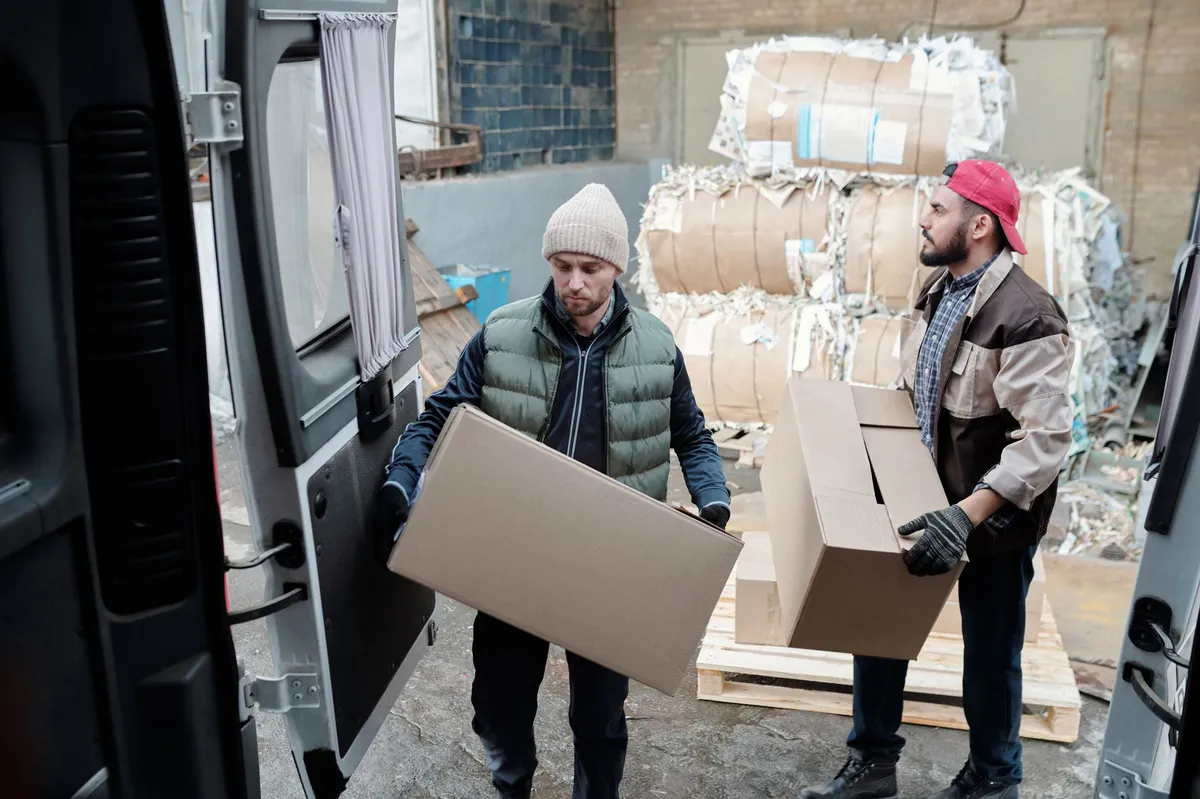
What Are Repetitive Strain Injuries?
Repetitive strain injuries encompass a range of conditions that result from repetitive motions, forceful exertions, awkward postures, or prolonged physical stress on muscles, tendons, nerves, and joints. These injuries are particularly prevalent in warehouse settings where employees often perform the same physical tasks repeatedly throughout their shifts. Common forms of RSIs include:
- Tendinitis: Inflammation of tendons, often affecting the elbows, wrists, or shoulders.
- Carpal Tunnel Syndrome: Caused by pressure on the median nerve in the wrist, leading to numbness, tingling, or weakness in the hand.
- Bursitis: Inflammation of the bursae, the small fluid-filled sacs that cushion the joints.
- Muscle Strains: Overstretching or tearing of muscles due to repetitive movement.
The gradual onset of symptoms—often mistaken for mere fatigue or normal discomfort—can lead workers to continue their tasks without seeking medical attention. This oversight can exacerbate the injuries, resulting in chronic pain and long-term disability.

The Role of Workplace Design in RSI Risk
The nature of job tasks in warehouses and manufacturing facilities significantly contributes to the risk of developing RSIs. Employees are frequently required to engage in activities such as:
- Packing products
- Operating machinery
- Lifting and moving heavy boxes
- Scanning inventory
- Assembling components
These repetitive actions place continuous strain on specific body parts, particularly in environments where ergonomics are not prioritized. Poorly designed workstations and inadequate training on proper lifting techniques can further increase the likelihood of injury. For instance, assembly line workers who repeat the same motion thousands of times per week are especially vulnerable to developing RSIs.

The Financial Impact of RSIs
The financial toll of repetitive strain injuries is substantial and extends beyond immediate medical costs. According to data from the Bureau of Labor Statistics, overexertion and repetitive-motion injuries account for approximately 946,000 cases involving days away from work, job restrictions, or transfers in the U.S. each year. The cumulative costs associated with RSIs include:
- Medical Expenses: Costs for doctor visits, diagnostic tests, physical therapy, medications, and potential surgeries can quickly add up, with musculoskeletal disorders costing U.S. employers around $20 billion annually in workers' compensation.
- Lost Wages: Employees may need to take time off work, reduce their hours, or accept lower-paying modified duties, impacting their long-term financial stability.
- Career Limitations: Long-term limitations from RSIs can hinder career advancement and future earning potential, particularly in physically demanding jobs.
Despite these significant risks, many employees hesitate to report early symptoms of RSIs, often attributing their discomfort to normal job-related stress. This delay can complicate workers’ compensation claims and diminish the chances of successful treatment outcomes.
Navigating Workers' Compensation for RSIs
Workers' compensation systems are designed to provide benefits for employees suffering work-related injuries, including repetitive stress conditions. However, securing these benefits can be more complex for RSIs compared to acute injuries. Employees must typically present robust medical evidence linking their job duties to their condition. This documentation may include:
- Medical records
- Test results
- Detailed accounts of job duties
- Statements from healthcare providers
Workers' compensation benefits can cover a variety of financial and medical support designed to aid recovery and maintain stability during periods of incapacity. In severe cases, untreated RSIs can lead to permanent disabilities, severely affecting a person’s ability to work and earn a living.
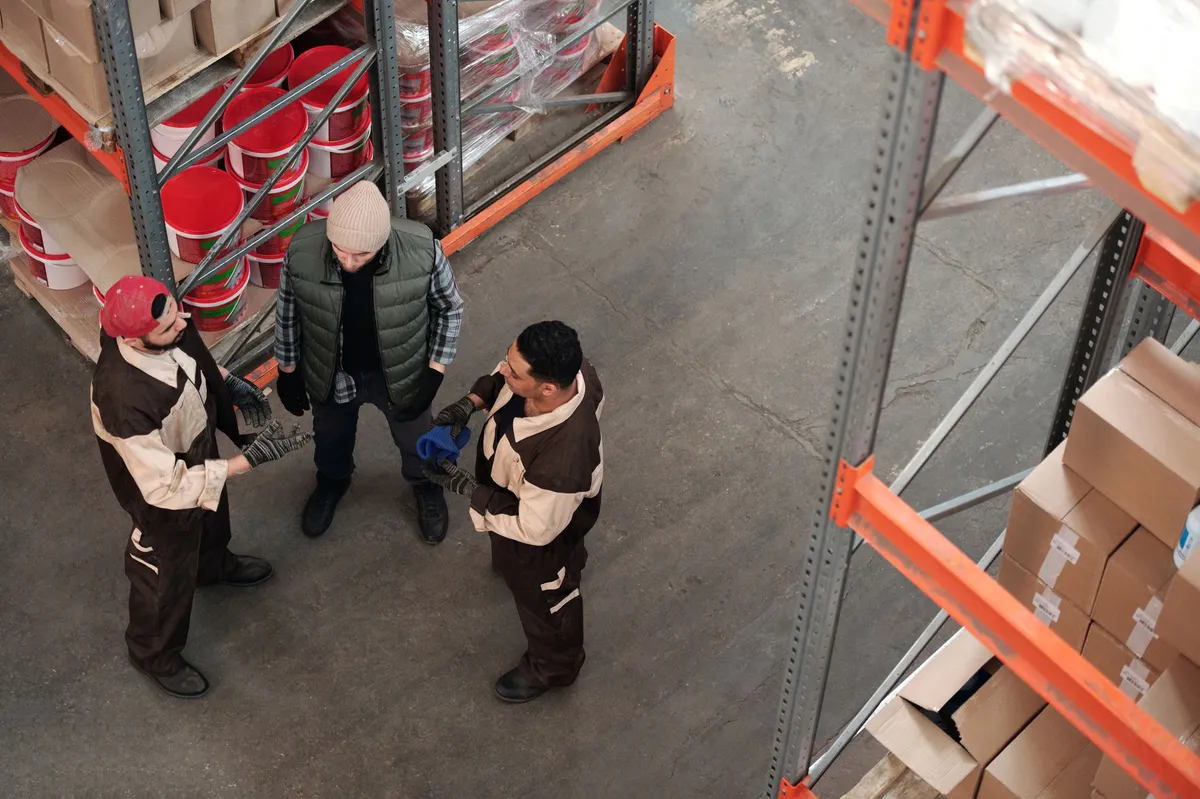
Proactive Prevention Strategies
Preventing repetitive strain injuries requires a collaborative effort from both employers and employees. Implementing effective workplace safety programs is crucial in reducing the likelihood of cumulative trauma disorders. Strategies for prevention may include:
- Investing in ergonomic workstations that minimize strain.
- Providing training on proper lifting techniques and safe practices.
- Encouraging regular breaks to reduce continuous physical stress.
- Involving employees in discussions about workplace safety and ergonomics.
By prioritizing ergonomic improvements, employers can not only reduce injury rates but also enhance productivity and employee morale, creating a safer and more efficient workplace.
Key Takeaways
- Repetitive strain injuries are common in warehouse and manufacturing jobs, often developing gradually and going underreported.
- Financial implications of RSIs extend beyond medical costs, affecting workers’ income and future earning potential.
- Workers’ compensation claims for RSIs require thorough documentation linking job duties to the injury.
- Proactive prevention strategies, including ergonomic improvements, can significantly reduce the risk of developing RSIs.
Frequently Asked Questions
What symptoms should workers look out for regarding RSIs?
Workers should be vigilant for symptoms such as persistent pain, numbness, tingling, weakness, or reduced mobility in affected areas. Early recognition of these warning signs is crucial, as addressing them promptly can prevent minor issues from escalating into serious conditions requiring extensive treatment.
How can workers file a workers’ compensation claim for an RSI?
To file a workers' compensation claim for an RSI, employees should first seek medical attention to document their condition. They should then notify their employer about the injury and gather necessary documentation, including medical records and a detailed account of their job duties. Filing procedures may vary by state, so consulting with a knowledgeable attorney can provide clarity on the process.
What are the long-term effects of untreated RSIs?
Untreated repetitive strain injuries can lead to chronic pain, reduced mobility, and permanent disabilities that significantly impact an individual's ability to work. Long-term consequences can also affect mental health, as ongoing pain and job limitations can lead to stress, anxiety, and diminished quality of life.
How can employers support workers in preventing RSIs?
Employers can support workers by investing in ergonomic assessments, providing training on safe work practices, and fostering an open culture where employees feel comfortable reporting symptoms early. Regular safety reviews and adjustments to work processes can also help mitigate the risk of RSIs, ultimately benefiting both workers and the organization.
This content is general information and not legal advice.
Comments
Popular in Workers' Compensation
- Understanding Liability in Aerial Lift Accidents on Construction Sites
- Impact of IRS-DHS Data Sharing on Injured Immigrant Workers
- Understanding Workplace Injury Legal Support in Queens: A Vital Resource
- Navigating Long-Term Care Compensation After Workplace Injuries
- The Hidden Pressure to Appear Fine After an Injury: Navigating Recovery and Rights