Class Action Lawsuit Against Costco Over Heavy Metals in Protein Powder
A recent class action lawsuit alleges that Costco sold protein powder contaminated with toxic heavy metals, raising concerns about consumer safety and corporate responsibility. The case highlights the importance of transparency in food labeling and the potential health risks associated with such products.
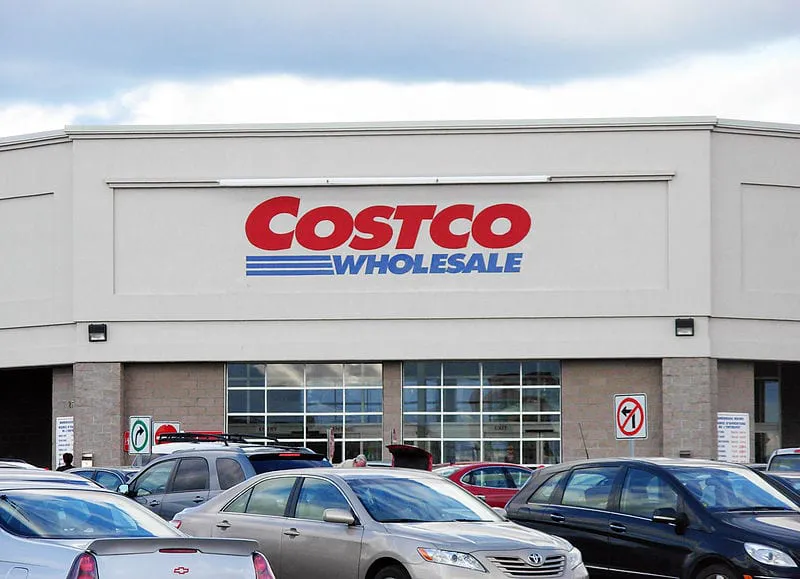
In a troubling revelation for health-conscious consumers, Costco is facing a class action lawsuit that accuses the retail giant of selling protein powder contaminated with hazardous heavy metals. Filed in a federal court in Washington state, the lawsuit alleges that Costco knowingly marketed Orgain's "Orgainic Protein Powder" as a healthy, nutritious product while failing to disclose the presence of toxic substances such as lead, cadmium, and arsenic. This situation not only raises serious questions about consumer safety but also highlights broader issues regarding corporate accountability and regulatory compliance in the food industry.
The lawsuit underscores the critical nature of heavy metal contamination in food products, as these substances are known to pose significant health risks. According to health experts, chronic exposure to heavy metals can lead to serious health issues, including neurological damage, developmental delays in children, and various forms of cancer. The implications of this lawsuit extend beyond Costco and Orgain; they touch on the very fabric of consumer trust and the responsibilities that large retailers have in ensuring the safety of the products they sell.
Allegations Against Costco: What the Lawsuit Claims
At the heart of the lawsuit are allegations that Costco violated consumer protection and false advertising laws. The complaint states that the retail chain failed to conduct or require adequate heavy metal testing on the Orgainic Protein Powder, thereby endangering consumers without their knowledge. Attorneys representing the plaintiffs argue that Costco, as a prominent retailer with sophisticated supply-chain management, should have been aware of the possible contamination of the protein powder.
Legal Grounds for the Class Action
The lawsuit cites several legal violations, including:
- False Advertising: By promoting Orgainic Protein Powder as "high-quality" and "nutritious," Costco allegedly misleads consumers about the safety of the product.
- Failure to Disclose: The complaint claims that Costco did not inform customers of the presence of heavy metals, which could be detected only through expensive laboratory testing.
- Negligence: Attorneys assert that Costco's lack of testing and disclosure constitutes negligence, as the retailer had a duty to ensure the safety of the products it sells.
The lawsuit seeks a court order demanding Costco disclose the levels of heavy metals in its products and cease selling items that pose health risks without adequate warnings.

The Health Risks of Heavy Metals
Heavy metals like lead, cadmium, and arsenic are naturally occurring elements found in the environment. However, their presence in food products can be hazardous to health. Lead exposure, for example, is particularly harmful to children, leading to developmental issues and cognitive impairment. Cadmium, used in batteries and as a pigment, has been linked to kidney damage and bone disease, while arsenic is known for its carcinogenic properties.
The lawsuit against Costco highlights the importance of rigorous product testing and transparency in food labeling. With rising consumer awareness about health and wellness, the expectation for companies to provide safe and reliable products has never been higher. When retailers like Costco fail to meet these expectations, they risk not only legal repercussions but also a significant loss of consumer trust.

Corporate Response and Consumer Sentiment
In response to the allegations, Orgain, the brand behind Orgainic Protein Powder, stated that their products comply with existing food safety standards. They acknowledged that trace amounts of heavy metals may be present due to environmental factors but insisted that they stand by the quality and safety of their offerings. This defense, however, does little to assuage the concerns of consumers who expect more stringent oversight from both retailers and manufacturers.
Consumer sentiment around this issue is likely to be polarized. On one hand, health-conscious shoppers may feel betrayed by Costco, a retailer they trust for quality products. On the other hand, some consumers may not be fully aware of the dangers posed by heavy metals in food and may continue to purchase protein powders without considering the risks. This situation puts Costco in a precarious position as they navigate public perception and legal challenges.
The Broader Implications for the Food Industry
This lawsuit is not just about a single product or retailer; it reflects a growing trend of scrutiny in the food industry regarding safety standards and labeling practices. As consumers become increasingly aware of foodborne hazards, companies may face heightened legal risks if they fail to adhere to transparency and testing protocols. The outcome of this case could set a precedent for how food safety claims are regulated and enforced in the future.
Potential Outcomes of the Lawsuit
The potential outcomes of this class action lawsuit could have far-reaching implications:
- Increased Transparency: A ruling in favor of the plaintiffs may compel Costco and similar retailers to enhance their testing and disclosure practices.
- Regulatory Changes: The case could push for stricter regulations regarding heavy metal testing in food products.
- Consumer Empowerment: A successful lawsuit may encourage consumers to scrutinize product labels more closely and demand accountability from manufacturers.
The unfolding events surrounding this lawsuit will be closely watched by both consumers and industry stakeholders alike.

Key Takeaways
- The lawsuit accuses Costco of selling protein powder contaminated with heavy metals.
- Health risks associated with heavy metals include neurological damage, cancer, and developmental delays.
- Costco may face legal repercussions and a loss of consumer trust if the allegations are proven true.
- The case could lead to stricter regulations and increased transparency in food labeling.
Frequently Asked Questions
What are heavy metals, and why are they a concern in food products?
Heavy metals such as lead, cadmium, and arsenic are naturally occurring elements that can be harmful to human health. They can accumulate in the body over time and lead to serious health issues, including neurological disorders, developmental problems in children, and various forms of cancer. Their presence in food products raises serious concerns about consumer safety, especially in items marketed as healthy or nutritious.
What are the potential outcomes of the Costco class action lawsuit?
The outcomes of the lawsuit could vary but may include a court order for Costco to disclose heavy metal levels in its products, a requirement for enhanced testing protocols, and possible financial compensation for affected consumers. Additionally, if the plaintiffs prevail, it could lead to broader regulatory changes affecting food safety practices across the industry.
How can consumers protect themselves from contaminated food products?
Consumers can protect themselves by being vigilant about product labels, researching brands, and staying informed about food safety concerns. It is advisable to choose products from reputable brands that prioritize safety and transparency. Additionally, consumers can advocate for stricter regulations and hold companies accountable for their claims regarding food safety.
What should I do if I have purchased Orgainic Protein Powder?
If you have purchased Orgainic Protein Powder and are concerned about safety, it is recommended to stop using the product and consult with a healthcare professional if you experience any health issues. Additionally, keep an eye on updates regarding the lawsuit, as it may provide avenues for compensation or further actions you can take as a consumer.
This article is intended for informational purposes only and should not be construed as legal advice.
Comments
Popular in Product Liability
- Court Decertifies Eggs Class Action Lawsuit: Implications and Insights
- NASCAR Battles Trademark Infringement: Unmasking Counterfeiters
- Ukrop's Prepared Meals Recall: What Consumers Need to Know
- San Diego Man Files Suit Against Amazon Over Exploding Fire Pit Incident
- Federal Court Approves $57 Million Settlement in Major Environmental Fraud Case