NASCAR Battles Trademark Infringement: Unmasking Counterfeiters
NASCAR has launched a significant legal battle against unidentified defendants for trademark infringement, aiming to protect its brand from counterfeit merchandise. This article delves into the implications of this lawsuit and the broader issue of trademark violations in the sports industry.
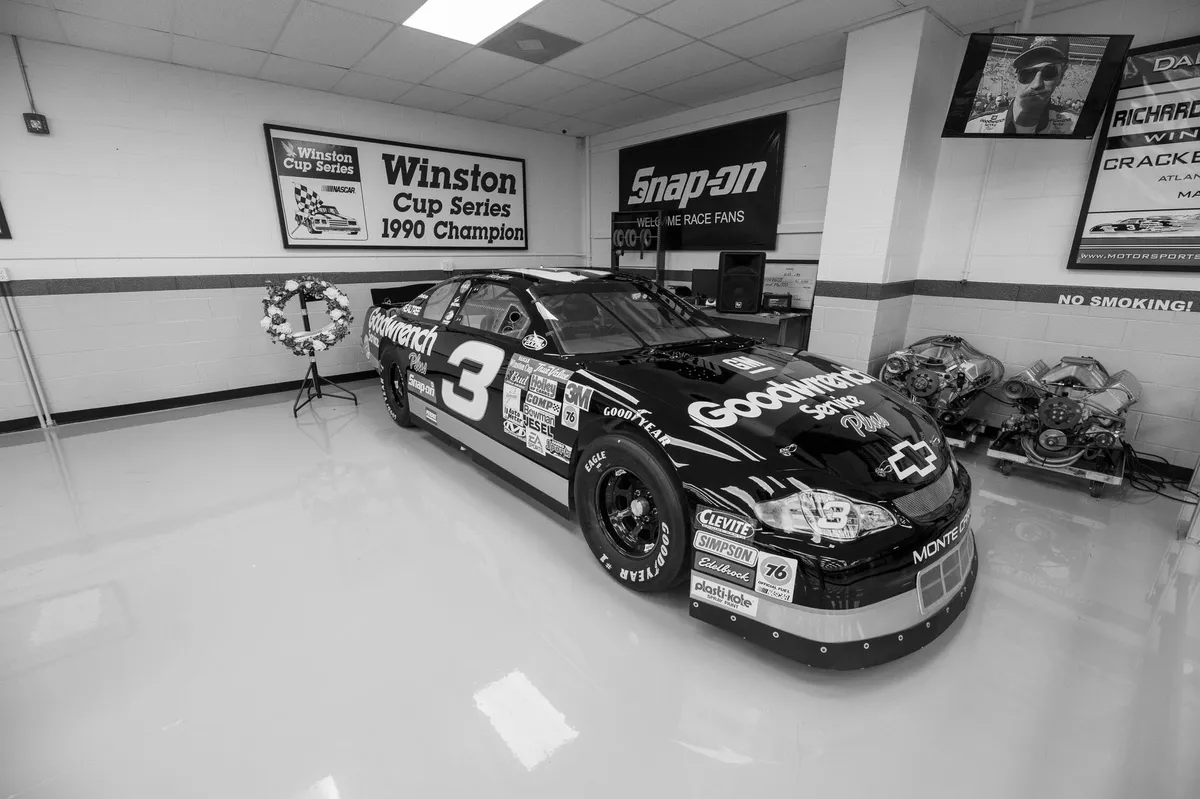
In a move that underscores the ongoing battle against counterfeit merchandise, NASCAR has filed a lawsuit in Charlotte, North Carolina, against an undisclosed number of companies for trademark infringement. This legal action raises critical questions about the protection of intellectual property in the sports industry and how organizations like NASCAR are combating the proliferation of fake goods that threaten their brand integrity.
The lawsuit, filed on a Monday and recently unsealed, has identified a broad range of defendants including individuals, corporations, limited liability companies, partnerships, and unincorporated associations. However, details on the specific parties involved remain elusive, as the court documents indicate that the names have been “removed from public docket.” This level of anonymity is not uncommon in cases where defendants are believed to operate under multiple aliases or in jurisdictions designed to shield their identities.
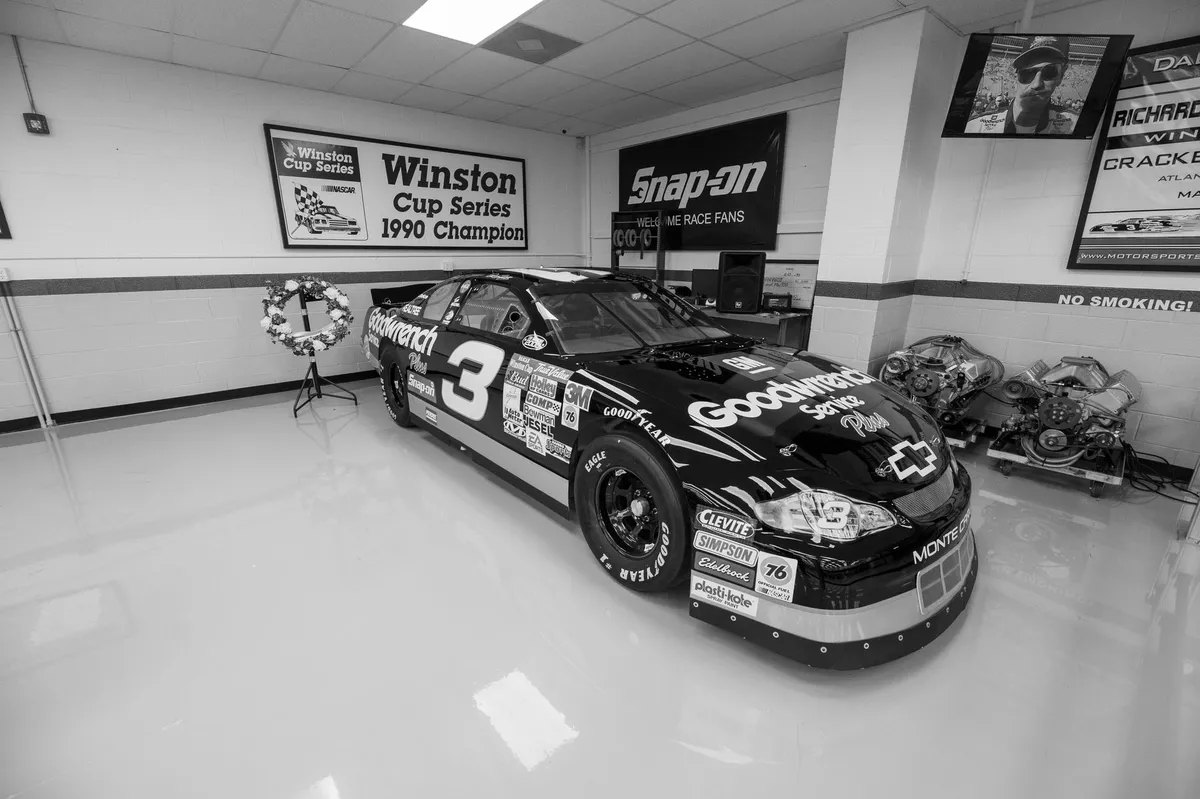
Understanding the Legal Framework: The Lanham Act
The legal foundation for NASCAR's complaint lies in the Lanham Act, a federal statute that governs trademark law in the United States. Under this law, trademark owners are granted the right to protect their brand from unauthorized use that could lead to consumer confusion or dilution of the brand's reputation. NASCAR contends that the defendants have not only infringed on its trademarks but have also engaged in a coordinated effort to sell counterfeit merchandise through deceptive online storefronts.
The Impact of Counterfeiting on Brand Integrity
NASCAR's lawsuit highlights the significant harm that counterfeiting can cause. The racing organization claims that the defendants' activities have resulted in “substantial and irreparable harm” to its ability to enforce its rights against numerous anonymous online sellers. This situation raises an important issue for consumers and sports organizations alike: the dangers posed by counterfeit products, which are often of inferior quality and can damage the reputation of legitimate brands.
Mechanisms of Deception
NASCAR has detailed how the defendants have blurred its trademarks on their products to evade detection and takedown attempts. The organization pointed out that these counterfeit sellers often create fake e-commerce storefronts that mimic authorized merchandise, presenting themselves as legitimate sellers. Such practices not only mislead consumers but also undermine the financial stability of the racing series, which relies on revenue from merchandise sales.
NASCAR's Investigation and Findings
To bolster its claims, NASCAR has conducted an investigation that uncovered evidence of a complex counterfeiting network. The investigation revealed that many of the sellers involved have fabricated business names, while others have established storefronts that lack verifiable physical addresses. This obscurity complicates enforcement actions and highlights the challenges faced by brands in protecting their intellectual property in an increasingly digital marketplace.
Identifying the Defendants
The unidentified defendants are believed to be part of an organized group actively working to conceal their identities and maintain offshore bank accounts to evade U.S. legal jurisdiction. NASCAR’s lawsuit describes their behavior as a “calculated scheme” aimed at shielding illicit profits from legal consequences. This scenario raises important questions about how the legal system can effectively address and dismantle such networks.

Legal Remedies and Actions Requested
In response to the ongoing trademark infringement, NASCAR is seeking a court order that would require the deactivation of the defendants' online selling accounts, cessation of advertising for infringing products, and the removal of links to counterfeit merchandise from search results. Such measures are critical for protecting the integrity of NASCAR's brand and ensuring that consumers can confidently purchase authentic products.
Long-Term Implications
While the immediate goal of this lawsuit is to halt the sale of counterfeit merchandise, the broader implications extend to how sports leagues and organizations manage their intellectual property rights in the digital age. As the online marketplace continues to grow, the challenge of combating counterfeit goods will likely require more robust legal frameworks and international cooperation.
Key Takeaways
- NASCAR has filed a lawsuit against unidentified defendants for trademark infringement.
- The suit is based on violations of the Lanham Act, aimed at protecting its brand from counterfeit merchandise.
- Counterfeiting poses significant risks to brand integrity and consumer trust.
- NASCAR is seeking legal remedies to deactivate sellers’ accounts and eliminate counterfeit listings.
- The case highlights the ongoing struggle against counterfeit products in the sports industry.
Frequently Asked Questions
What is the Lanham Act and how does it relate to this case?
The Lanham Act is a federal law that governs trademarks and provides protection against trademark infringement and dilution. In NASCAR's case, the organization claims that the defendants have violated this act by selling counterfeit merchandise that unlawfully uses NASCAR's trademarks, thereby misleading consumers and damaging NASCAR's brand.
Why are the defendants in NASCAR's lawsuit anonymous?
The anonymity of the defendants is likely a strategy to evade legal consequences and complicate enforcement actions. Many counterfeit sellers operate under aliases and often use fake business names or offshore accounts to avoid detection, making it difficult for organizations like NASCAR to pursue legal action against them effectively.
What are the potential consequences for the defendants if NASCAR wins the lawsuit?
If NASCAR prevails in this lawsuit, the court could order a range of remedies including the deactivation of the defendants' online accounts, financial damages for the harm caused to NASCAR's brand, and injunctions preventing further sales of counterfeit merchandise. Additionally, this outcome could serve as a deterrent to other potential infringers in the marketplace.
How does this lawsuit reflect broader issues in the sports merchandise industry?
This lawsuit highlights a growing concern within the sports merchandise industry regarding the prevalence of counterfeit goods. As fans increasingly purchase merchandise online, the risk of encountering fake products rises. This situation underscores the need for more stringent protections for intellectual property and consumer awareness to ensure that purchases are legitimate.
Disclaimer: This content is general information and not legal advice.
Comments
Popular in Product Liability
- Court Decertifies Eggs Class Action Lawsuit: Implications and Insights
- San Diego Man Files Suit Against Amazon Over Exploding Fire Pit Incident
- Federal Court Approves $57 Million Settlement in Major Environmental Fraud Case
- Ukrop's Prepared Meals Recall: What Consumers Need to Know
- Costco Sued Over Allegations of Toxic Contaminants in Protein Powder