Federal Court Approves $57 Million Settlement in Major Environmental Fraud Case
A federal judge has sanctioned a $57 million settlement concerning environmental fraud claims against Navy contractor Tetra Tech EC, highlighting significant issues of compliance and accountability in government contracting.

In a significant legal development, a federal judge has recently approved a $57 million settlement involving Tetra Tech EC, a contractor for the U.S. Navy. The settlement resolves allegations of widespread fraud in the cleanup of the Hunters Point Naval Shipyard in San Francisco, a site that has a troubled history of nuclear contamination. This settlement not only highlights the critical issues of environmental responsibility but also underscores the role of whistleblowers in exposing corporate malfeasance in federal contracts.
The case, which has been ongoing since 2013, centers on allegations that Tetra Tech falsified soil tests to misrepresent the effectiveness of cleanup efforts at the shipyard, which is slated for a major redevelopment project involving over 10,000 homes. Judge James Donato, appointed by President Obama, characterized the settlement as “fair, adequate, and reasonable,” as no parties contested it, suggesting a rare moment of consensus in a complex legal battle.
Background of the Case
The origins of this case trace back to March 2013, when four whistleblowers filed a qui tam lawsuit under the False Claims Act. This legal provision allows private individuals, known as relators, to sue on behalf of the government for fraud perpetrated against it. The relators in this case—Elbert Bowers, Arthur Jahr, III, Archie Jackson, and Susan Andrews—accused Tetra Tech of grossly misrepresenting the results of soil contamination tests at the Hunters Point site. These allegations were particularly alarming given the site's history as a decontamination location for ships involved in nuclear testing from 1946 to 1969.
In 2018, the U.S. government intervened in the case, taking over the prosecution after finding substantial merit in the whistleblowers' claims. The government alleged that Tetra Tech not only provided false soil results but also breached contract and engaged in common law fraud. The company was accused of instructing employees to destroy test results that indicated high levels of radioactive contamination, thereby compromising public safety and undermining the integrity of environmental remediation efforts.
The Settlement Details
The approved settlement includes a $57 million payout from Tetra Tech EC to the government, with specific allocations for the nature of the fraudulent activities—$51.87 million for soil fraud allegations and $5.13 million for building scan fraud allegations. In addition to this settlement, Tetra Tech had previously reached a separate $40 million settlement concerning claims under the Comprehensive Environmental Response, Compensation, and Liability Act (CERCLA). This act is pivotal for addressing environmental hazards and holds parties accountable for cleanup costs associated with hazardous waste sites.
The settlement negotiations were not without contention. The relators initially objected to the settlements, particularly concerned about the government’s allocation of the CERCLA funds, arguing they deserved a share of the total $40 million settlement as whistleblowers. Ultimately, Judge Donato ruled in favor of the government’s position, leading to an agreement where relators would receive 21% of the $57 million settlement, a sum that reflects their role in bringing the fraud to light.

The Role of Whistleblowers
Whistleblowers play a crucial role in exposing fraud, particularly in cases involving government contracts. Under the False Claims Act, whistleblowers who successfully bring claims can receive a portion of the funds recovered. This incentivization is designed to encourage individuals to come forward with information about fraud, which can often be difficult to uncover. In this case, the whistleblowers not only highlighted the fraudulent actions of Tetra Tech but also brought attention to broader issues of accountability in environmental remediation efforts.
Whistleblowers face significant risks, including retaliation and job loss. This case serves as a reminder of the importance of legal protections for whistleblowers, which are designed to shield them from adverse consequences for reporting wrongdoing. As Assistant Attorney General Joseph Hunt stated, the Department of Justice is committed to pursuing those who defraud the government, emphasizing the importance of integrity in public contracts.
Environmental Implications
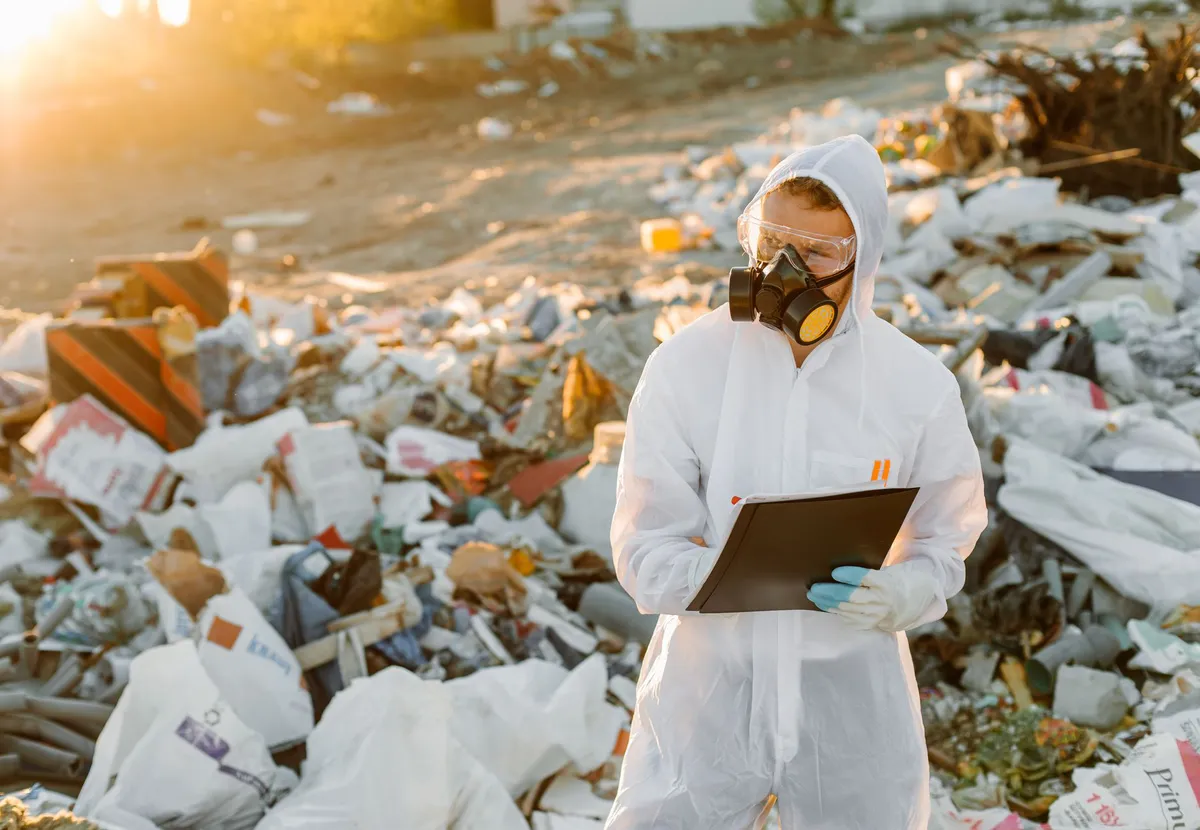
The Hunters Point Naval Shipyard was a critical site for U.S. naval operations and has a history of environmental hazards due to its use in nuclear testing. The contamination risks posed by improper cleanup can have far-reaching consequences for public health and safety, particularly in urban areas where residential developments are planned. The settlement with Tetra Tech EC not only addresses past wrongs but also aims to restore public confidence in the safety of redevelopment efforts in contaminated sites.
In fact, a December 2017 audit by the Environmental Protection Agency revealed that 90 to 97% of soil samples in certain areas of the Hunters Point site were potentially compromised or falsified, underscoring the severity of the lapses in oversight. As Tetra Tech was compensated over $250 million for its work on the cleanup from 2006 to 2012, the financial implications of this fraud are significant, both for taxpayers and for environmental integrity.

Key Takeaways
- Tetra Tech EC will pay $57 million to settle fraud claims regarding environmental cleanup.
- The case emphasizes the role of whistleblowers in exposing corporate fraud and ensuring accountability.
- The Hunters Point site has a troubled environmental history, critical for public health and safety.
- The settlement includes specific allocations for different fraud allegations, highlighting the complexity of the case.
- Legal protections for whistleblowers are essential to encourage reporting of fraud against the government.
Frequently Asked Questions
What is the False Claims Act and how does it work?
The False Claims Act is a federal law that allows private individuals to sue on behalf of the government for fraud committed against it. Whistleblowers, or relators, who successfully bring claims under this act can receive a percentage of the recovered funds. This legal framework is vital for encouraging individuals to report fraudulent activities that would otherwise go unnoticed.
What are the implications of the Tetra Tech settlement for future government contracts?
The Tetra Tech settlement sends a strong message regarding the importance of compliance and transparency in government contracting. It reinforces the notion that fraudulent behavior will be met with severe financial penalties, which may deter similar misconduct in the future. As federal agencies increasingly rely on contractors for essential services, maintaining rigorous oversight and accountability is crucial to protect taxpayer interests.
How can whistleblowers protect themselves when reporting fraud?
Whistleblowers can protect themselves through various legal protections established under laws like the False Claims Act and other whistleblower protection statutes. These protections are designed to prevent retaliation by employers and ensure that whistleblowers can report wrongdoing without fear of losing their jobs or facing other adverse consequences. Consulting with an attorney knowledgeable in whistleblower laws can provide additional guidance and support for individuals considering reporting fraud.
What are the next steps for the Hunters Point redevelopment project?
The redevelopment project at the Hunters Point site is now expected to proceed more cautiously, with increased scrutiny on environmental safety measures. The recent settlements may lead to enhanced oversight from federal and state agencies to ensure compliance with environmental standards. Stakeholders, including local communities and developers, will need to work together to restore public trust and ensure that the site is safe for future residential use.
Disclaimer: The content is general information and not legal advice.
Comments
Popular in Product Liability
- Court Decertifies Eggs Class Action Lawsuit: Implications and Insights
- San Diego Man Files Suit Against Amazon Over Exploding Fire Pit Incident
- NASCAR Battles Trademark Infringement: Unmasking Counterfeiters
- Ukrop's Prepared Meals Recall: What Consumers Need to Know
- Costco Sued Over Allegations of Toxic Contaminants in Protein Powder