California Court Revives Lawsuit Against Apple Over Repair Practices
A California appeals court has reinstated a lawsuit against Apple, accusing the tech giant of unfair competition by blocking independent iPhone repairs. The case emphasizes the growing 'Right to Repair' movement and its implications for consumers and manufacturers.
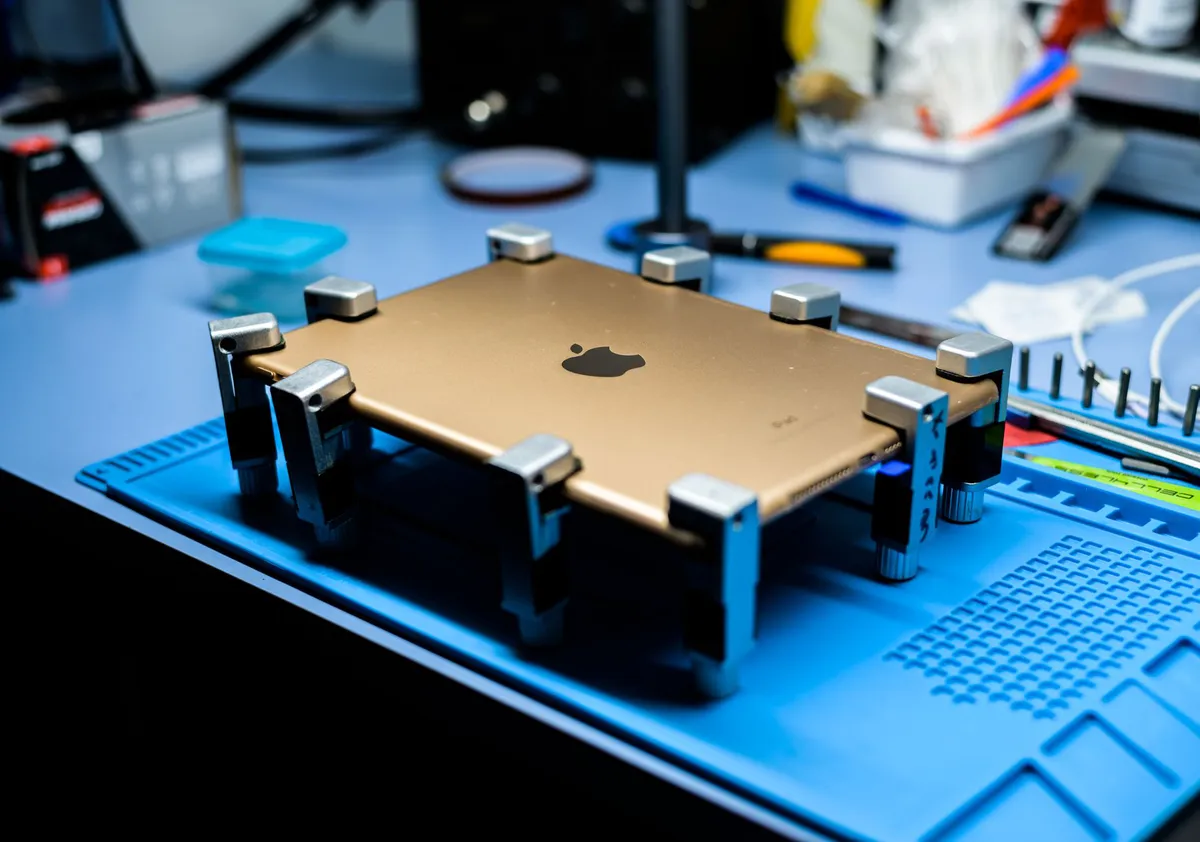
In a landmark decision, a California Court of Appeals has breathed new life into a lawsuit against Apple, which accuses the tech titan of unfairly restricting consumers' access to repair services for their devices. The case, brought by plaintiffs Jesse Granato and Janice Zarad, centers around claims that Apple’s repair policies inflate costs for consumers while hampering competition from independent repair shops. This ruling not only critiques Apple’s business practices but also highlights the broader implications of the 'Right to Repair' movement that is gaining traction across the United States.
The plaintiffs argue that Apple’s practices are designed to maximize its profits at the expense of consumers, forcing them into using only authorized repair services by threatening to void warranties if they seek third-party alternatives. This recent appellate court ruling overturns a previous decision by a Santa Clara Superior Court judge, which dismissed the case on the grounds that the plaintiffs lacked standing under California's unfair competition law.
Understanding the Case Against Apple
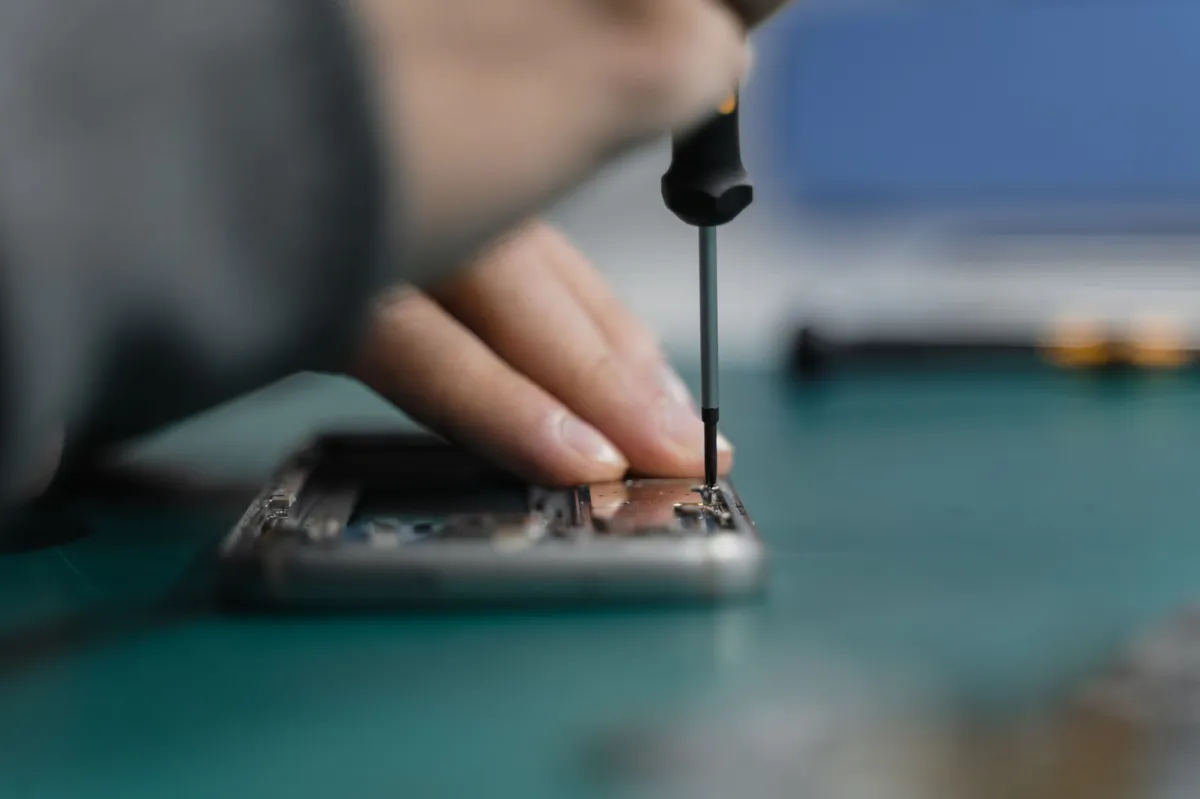
The origin of the lawsuit dates back to 2021 when Granato and Zarad each sought repairs for cracked iPhone screens. They contend that Apple employees misled them into believing that any repairs performed outside of Apple’s authorized service network would void their warranties. Following their experience, they initiated legal action against the company in 2022, focusing on Apple’s alleged monopolistic practices that restrict consumer choice and inflate repair costs.
The plaintiffs assert that Apple withholds essential parts, tools, and manuals from independent repair shops, effectively creating a barrier that increases the prices of repairs in the market. They argue that this practice is not just anti-competitive but also harmful to consumers who should have the right to choose where and how they get their devices repaired.
The Appeal and Its Implications
The appellate court's decision to reverse the lower court's ruling is significant for several reasons. Acting Presiding Associate Justice Cynthia Lie, in her unanimous opinion, stated that Apple's practices “substantially injure consumers” by allowing the company to charge inflated prices for repairs while fostering a culture where replacement is prioritized over repair. This is a crucial point, as it underscores the court's recognition of the economic impacts of Apple's policies on everyday consumers.
The appellate panel found that the plaintiffs had sufficiently alleged an unfair competition claim, noting that the plaintiffs did not need to prove that they had sought third-party repairs to substantiate their allegations. Instead, the focus was on how Apple's practices contributed to a market environment that drove up prices for all consumers.
Legal Context of the Right to Repair
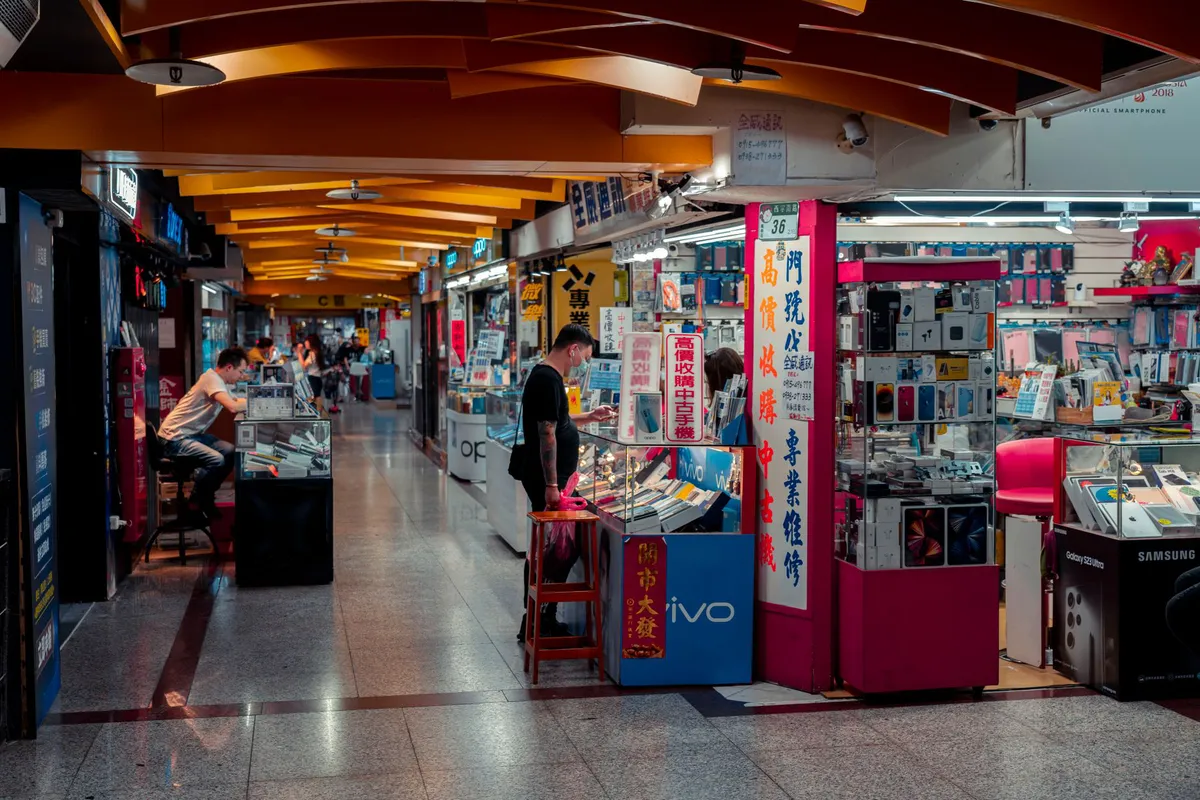
The case arrives at a pivotal moment in the ongoing debate around the 'Right to Repair' movement, which advocates for consumers' rights to repair their devices without facing penalties or voided warranties. California passed the Right to Repair Act in 2024, which requires manufacturers to provide parts, tools, and documentation to consumers and independent repair entities. However, the lawsuit predates this law, which raises questions about the legal landscape surrounding consumer rights in the tech industry.
Justice Lie acknowledged that while the plaintiffs’ claims were not directly supported by the new statute, the evolving legal context suggests that practices infringing upon consumer rights may still be deemed unfair. This implies that the court is willing to adapt its interpretations of unfair competition in light of changing consumer protections.
Additional Claims Against Apple
Beyond unfair competition, the plaintiffs also allege that Apple violated the Magnuson-Moss Warranty Act, a federal law that strengthens consumer warranty claims. Although the appellate court found that the plaintiffs had not adequately claimed a violation of this act, it noted that Apple’s instructions to authorized repair shops to refuse in-warranty service for customers who had undergone third-party repairs still undermine the spirit of the law.
This aspect of the case emphasizes a growing recognition of consumer rights in warranty agreements. Consumers often feel trapped by the terms and conditions imposed by manufacturers, leading to a lack of trust and increasing frustration when repairs are needed.
The Path Forward for Consumers
The appellate court's ruling is a victory not only for Granato and Zarad but also for consumers at large who advocate for greater transparency and fairness in the tech industry. As the case returns to the Santa Clara Superior Court for further proceedings, it opens the door for a potential class action lawsuit that could affect thousands of iPhone users.
- Consumer Empowerment: This ruling empowers individuals to challenge large corporations, fostering a culture of accountability.
- Market Dynamics: The outcome could influence how tech companies approach repair services and consumer rights.
- Legal Precedent: The case may set a legal precedent regarding the interplay between warranty policies and consumer rights.
Key Takeaways
- The California appeals court has revived a lawsuit against Apple over its repair policies.
- The case centers on allegations of unfair competition and monopolistic practices.
- Consumers are increasingly advocating for their 'Right to Repair' as legal protections evolve.
- Apple has not yet been found liable; the case will return to the lower court for further proceedings.
- This case may set significant legal precedents affecting consumer rights in tech industries.
Frequently Asked Questions
What does the lawsuit against Apple involve?
The lawsuit involves allegations that Apple has engaged in unfair competition by restricting consumers' access to repair services, thereby inflating repair costs and limiting consumer choice. The plaintiffs claim that Apple’s policies mislead consumers regarding warranty coverage and force them to use authorized repair services.
What is the 'Right to Repair' movement?
The 'Right to Repair' movement advocates for laws that require manufacturers to make parts, tools, and documentation available to consumers and independent repair shops. This movement seeks to empower consumers to repair their devices without facing penalties or voided warranties, promoting competition in the repair market.
What are the implications of this ruling for consumers?
The appeals court ruling is a significant step toward protecting consumer rights in the tech industry. It could pave the way for more transparency in repair practices and empower consumers to challenge monopolistic behaviors by large corporations. As legal frameworks change, consumers may find increased support in asserting their rights regarding repairs.
What happens next in the case?
The case will return to the Santa Clara Superior Court, where the plaintiffs will continue to pursue their claims against Apple. This may lead to a class-action lawsuit if the court finds sufficient grounds to support the allegations, potentially impacting a larger group of consumers.
This content is general information and not legal advice.
Comments
Popular in Product Liability
- Court Decertifies Eggs Class Action Lawsuit: Implications and Insights
- San Diego Man Files Suit Against Amazon Over Exploding Fire Pit Incident
- Federal Court Approves $57 Million Settlement in Major Environmental Fraud Case
- NASCAR Battles Trademark Infringement: Unmasking Counterfeiters
- Ukrop's Prepared Meals Recall: What Consumers Need to Know