Campbell's Avocado Oil Chips Class Action: What You Need to Know
Campbell's recent class action lawsuit over its avocado oil chips highlights potential consumer rights violations. Learn about the implications for consumers and the legal landscape.
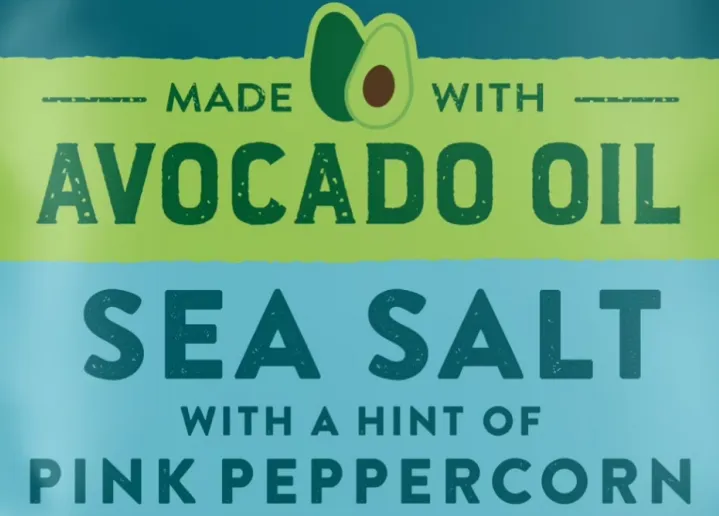
The recent class action lawsuit against Campbell Soup Company has put a spotlight on consumer rights and labeling accuracy, particularly regarding its avocado oil chips. The complaint alleges that the product, marketed as containing avocado oil, does not include the ingredient at all. This revelation has raised questions not only about the integrity of product labeling but also about the legal ramifications for companies that misrepresent their products. As consumers become increasingly health-conscious and aware of ingredient lists, the expectations placed on food manufacturers have never been higher.
As the lawsuit unfolds, it serves as a critical case study in the realm of food labeling laws and consumer protection. The stakes are significant, both for Campbell's and the broader food industry, as this case could set precedents for how food products are marketed and what legal responsibilities companies have to ensure the accuracy of their claims.

Understanding the Legal Issues at Play
At the heart of the Campbell's avocado oil chips lawsuit is a classic issue in consumer protection law: misleading advertising. Under the Federal Trade Commission (FTC) guidelines, companies must not only ensure that their advertising is truthful but also that their product labels accurately reflect the contents of the product. In this case, if the product claims to contain avocado oil, consumers expect it to be true. The lawsuit argues that the absence of avocado oil in the chips constitutes a deceptive practice.
Class action lawsuits, like the one against Campbell's, are typically filed when a group of individuals collectively suffers harm due to a company's actions. In this instance, consumers who purchased the avocado oil chips under the impression that they contained the advertised ingredient may be entitled to compensation. The damages that could be awarded in such cases can vary widely, often depending on the number of affected consumers and the extent of the deception.

The Impact on Consumers
The implications of this lawsuit extend beyond Campbell's. It brings to light important issues for consumers regarding the accuracy of food product labels and the potential for deceptive marketing practices. Here’s what consumers should consider:
- Awareness of Ingredients: Consumers are encouraged to read labels carefully and understand their ingredients. Knowledge is power, especially in a market filled with health claims.
- Understanding Rights: If consumers feel misled by a product, they have the right to seek recourse through legal channels, including joining class action lawsuits.
- Potential for Change: Outcomes from this case could lead to stricter regulations on food labeling, ultimately benefiting consumers by ensuring more transparency.
Given the growing trend of health-oriented products, the expectation for accuracy in labeling has become paramount. Consumers are increasingly aware of what they are putting into their bodies, making this lawsuit particularly poignant.

Legal Ramifications for Campbell's
The outcome of the class action suit could have significant ramifications for Campbell's and other companies in the food industry. If the court finds in favor of the plaintiffs, it could lead to substantial financial penalties for Campbell's and potentially force a reevaluation of their marketing strategies. Legal experts suggest this might prompt other food companies to reassess their label claims to avoid similar litigation.
Furthermore, if the lawsuit leads to a settlement, it could pave the way for a larger push for transparency in food labeling across the industry. This might include clearer guidelines on what constitutes 'natural' or 'healthy' ingredients, particularly as consumers have a right to trust that what they purchase aligns with their health goals.
Key Takeaways
- The lawsuit against Campbell's alleges misleading advertising regarding avocado oil in their chips.
- Class action suits allow consumers to seek justice collectively when harmed by corporate actions.
- Consumers should be vigilant about product labels and aware of their rights.
- The outcome of this case could influence food labeling regulations industry-wide.
Frequently Asked Questions
What is a class action lawsuit?
A class action lawsuit is a legal procedure that allows a group of people with similar grievances against a company to sue collectively. This approach can streamline the legal process and make it more feasible for individuals who may not have the resources to pursue individual claims.
How can consumers join this class action suit?
Consumers who have purchased Campbell's avocado oil chips may be eligible to join the class action suit by filing a claim through the law firm representing the plaintiffs. They typically need to provide proof of purchase and may need to meet certain criteria established by the court.
What are the potential outcomes of the lawsuit?
The lawsuit could result in various outcomes, including a financial settlement for affected consumers, changes in the marketing practices of Campbell's, or even stricter regulations on food labeling across the industry. The exact impact will depend on the court's findings and any subsequent settlements.
What should I do if I feel misled by a product label?
If you believe you have been misled by a product label, you can report your experience to the Federal Trade Commission (FTC) or your state’s consumer protection agency. Additionally, you may consider consulting with a legal professional to explore your options, including joining a class action lawsuit if one exists.
Disclaimer: This content is general information and not legal advice.
Comments
Kind Local Pro: The Future of AI with Local Data Sovereignty
Synsira Software has launched Kind Local Pro, an AI platform that operates entirely offline, prioritizing user privacy and data control. This innovative tool empowers individuals and organizations to harness AI without compromising their personal information.

Related articles
Popular in Product Liability
- Court Decertifies Eggs Class Action Lawsuit: Implications and Insights
- San Diego Man Files Suit Against Amazon Over Exploding Fire Pit Incident
- Federal Court Approves $57 Million Settlement in Major Environmental Fraud Case
- NASCAR Battles Trademark Infringement: Unmasking Counterfeiters
- Ukrop's Prepared Meals Recall: What Consumers Need to Know