Legal Battle Over Baby Food Safety: A Deep Dive into Toxic Metal Lawsuits
A class action lawsuit against baby food manufacturers raises critical concerns about toxic metal contamination and its potential link to neurological defects in infants. This article explores the implications of the case, key players involved, and what it means for consumers.
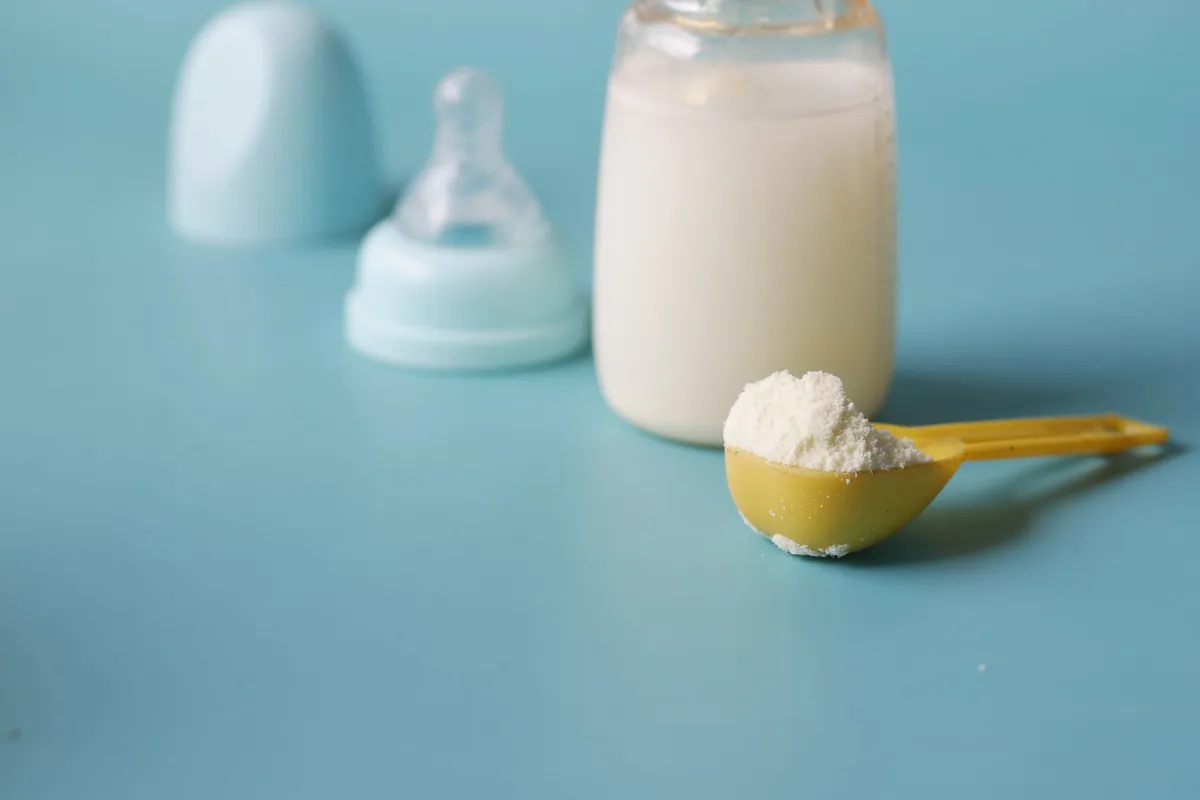
In a significant legal confrontation that highlights the intersection of consumer safety and corporate responsibility, a class action lawsuit against major baby food manufacturers is underway in federal court. The case, which alleges that toxic metals in baby food are linked to neurological defects in infants, has drawn considerable attention from both the legal community and health advocates. With a federal judge now weighing the merits of the case, the implications of this litigation may extend far beyond the courtroom, potentially reshaping industry standards and consumer awareness regarding infant nutrition.
The lawsuit, which originated in April 2024, consolidates ten individual cases that share similar grievances. Plaintiffs, consisting of children who have reportedly suffered brain injuries or neurodevelopmental issues, contend that the baby foods produced by the defendant companies contain harmful levels of metals such as lead, arsenic, and cadmium. Their claims raise urgent questions about the safety of these products and the responsibilities of manufacturers to ensure they are free from toxic contaminants.
The Legal Landscape of the Baby Food Lawsuit
The case is presided over by U.S. District Judge Jaqueline Scott Corley, who has been vocal about the procedural tactics employed by both sides. Recently, she scrutinized the defendants’ motion for summary judgment, underscoring the necessity for plaintiffs to clearly articulate their claims beyond the primary diagnoses of ADHD and autism. During the proceedings, Judge Corley pointed out that if plaintiffs were to assert additional injuries, these must be explicitly stated within their legal filings.
Defendants, including Beech-Nut Nutrition Company and Walmart, have argued that the plaintiffs' failure to specify additional injuries undermines their case. The argument centers on whether conditions such as learning disabilities or speech delays can be causally linked to the alleged exposure to toxic metals, which the plaintiffs claim has resulted in broader neurodevelopmental harm.

Key Developments in the Case
The litigation has seen various motions and rulings that illustrate the complexities involved. In a notable ruling from October 2025, Judge Corley granted motions to dismiss for some companies, including Danone North America and Nestlé’s subsidiaries, while withholding dismissal for Campbell’s—a decision that reflects the nuanced nature of corporate accountability in relation to product safety. Campbell’s, which formerly owned the Plum brand before its sale to Sun-Maid in 2021, faces allegations of failing to uphold proper oversight of its subsidiary, raising the stakes for accountability in corporate governance.
In April 2025, Judge Corley issued a mixed ruling that dismissed certain claims while allowing others to proceed, emphasizing the need for the plaintiffs to provide more concrete evidence regarding exposure levels and their effects. This balancing act between plaintiffs and defendants is a common feature of complex litigation, particularly in cases involving public health and safety.
Implications for Consumers and the Industry
This lawsuit is not just a legal battle; it represents a pivotal moment for consumer safety in the baby food industry. For many parents, the safety of baby food is paramount, and the allegations of toxic metal contamination raise significant concerns about the regulatory framework overseeing these products. As consumers become increasingly aware of nutritional content and potential contaminants, the demand for transparency and accountability in food production is likely to grow.
- Increased Scrutiny: Parents may begin to scrutinize food labels more closely, seeking brands that offer transparency about their sourcing and testing practices.
- Regulatory Changes: This case could prompt regulatory agencies, such as the FDA, to reevaluate and possibly tighten safety standards for baby food products.
- Market Shift: Brands that prioritize safety and quality may gain a competitive edge in a market increasingly focused on health-conscious consumers.

Legal Considerations for Consumers
For parents concerned about the safety of baby food products, understanding the legal landscape is crucial. As the case unfolds, consumers should be aware of their rights and the actions they can take if they suspect their child has been harmed by contaminated food products. Here are some important considerations:
1. Product Liability Basics
Product liability laws hold manufacturers and sellers responsible for putting unsafe products into the market. If a product is found to be defective or unreasonably dangerous, consumers may seek compensation for damages resulting from its use. In this case, the plaintiffs are asserting that the baby food products caused significant harm due to toxic metal contamination.
2. Statutes of Limitations
Every state has a statute of limitations that sets a time limit on how long individuals have to file a lawsuit after an injury occurs. Parents who suspect their child has been harmed should consult with a legal professional to ensure they understand these time constraints, as they vary widely from state to state.
3. The Role of Class Actions
Class action lawsuits allow individuals with similar claims to band together to sue a defendant, which can make it more feasible for consumers to seek justice, particularly when individual claims may be economically impractical. This case serves as a prime example of how collective legal action can amplify voices and concerns regarding public health issues.
Key Takeaways
- The ongoing class action lawsuit against baby food manufacturers raises serious concerns about toxic metal contamination in products.
- Consumers are advised to stay informed about the safety of baby food products and the legal implications of the case.
- The case could lead to stricter regulations and heightened awareness of nutritional safety in the baby food industry.
Frequently Asked Questions
What are the main allegations in the baby food lawsuit?
The plaintiffs allege that certain baby food products contain harmful levels of toxic metals, such as lead and arsenic, which contribute to neurodevelopmental issues in infants. These claims are based on the premise that these contaminants pose significant health risks, potentially leading to conditions such as ADHD and autism.
What should parents do if they are concerned about baby food safety?
Parents should actively research the brands they purchase, looking for transparency in ingredient sourcing and safety testing. Additionally, they may want to consult with pediatricians regarding any concerns about their children's health and nutrition. Staying informed through reliable sources can empower parents to make safer choices.
How does this lawsuit impact the baby food industry?
This lawsuit could lead to increased scrutiny and regulatory changes within the baby food industry. If the plaintiffs succeed, manufacturers may be compelled to enhance testing protocols and transparency regarding their products, potentially reshaping industry standards and consumer expectations.
Comments
Popular in Product Liability
- Court Decertifies Eggs Class Action Lawsuit: Implications and Insights
- San Diego Man Files Suit Against Amazon Over Exploding Fire Pit Incident
- Federal Court Approves $57 Million Settlement in Major Environmental Fraud Case
- NASCAR Battles Trademark Infringement: Unmasking Counterfeiters
- Ukrop's Prepared Meals Recall: What Consumers Need to Know