Dog Toy Maker Triumphs in Trademark Battle with Jack Daniel’s
In a landmark ruling, the 9th Circuit Court favored a dog toy company over Jack Daniel's in a trademark dispute, highlighting the complexities of intellectual property law.
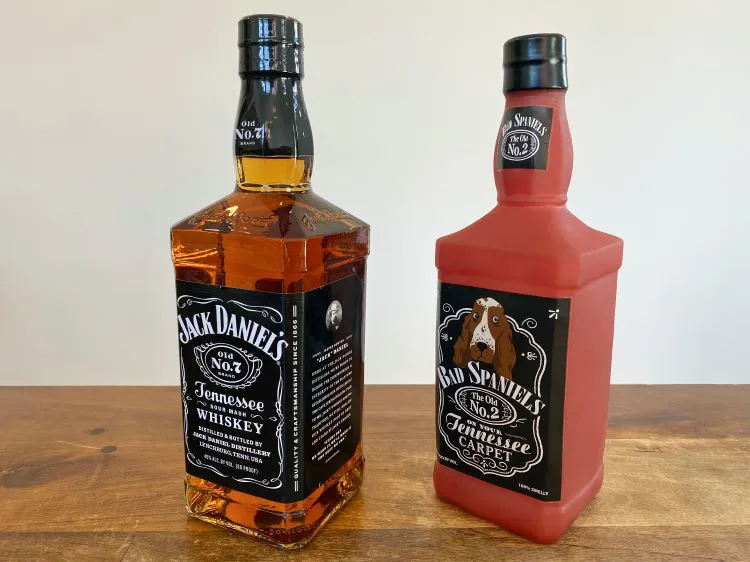
In an unexpected twist in the world of trademark law, a small dog toy company has emerged victorious against the iconic whiskey brand Jack Daniel’s. The 9th Circuit Court of Appeals ruled in favor of the toy manufacturer, affirming the right to use a parody of the Jack Daniel’s label on its products. This decision not only underscores the legal complexities surrounding trademark rights but also highlights the delicate balance between protecting brand identity and encouraging creative expression.
The case, which revolves around a toy named 'Bad Spaniels', raised critical questions about the boundaries of parody in trademark law. For many, this ruling is more than just a win for a dog toy company; it represents a significant moment in the ongoing dialogue about intellectual property rights and their implications for both businesses and consumers.
Understanding the Ruling: Key Legal Principles
The 9th Circuit’s decision hinged on several key legal principles, particularly the notion of parody and its applicability in trademark cases. Parody, in this context, refers to the use of a trademark in a way that humorously imitates or comments on the original brand. The court found that 'Bad Spaniels' was an effective parody of Jack Daniel’s, which is critical as parody is often afforded a level of protection under the First Amendment.
Trademark Dilution vs. Fair Use
Trademark law includes various defenses against claims of infringement, with parody often falling under the fair use doctrine. This doctrine allows for the limited use of a trademark without permission under specific circumstances, such as commentary, criticism, or parody. The court determined that the use of a similar label for a dog toy was unlikely to cause consumer confusion, a critical factor in trademark cases.
Moreover, the court ruled that the toy's design did not dilute the Jack Daniel's trademark. Trademark dilution occurs when a famous mark's distinctiveness is compromised, even if there is no confusion among consumers. In this case, the court ruled that Jack Daniel’s brand integrity was not harmed by the humorous portrayal of its label, thus favoring the dog toy maker.
Impact on the Market and Consumer Behavior
This ruling has broader implications for the market, particularly for smaller companies looking to innovate in a crowded space. The decision empowers these companies to use humor and satire in their branding efforts without fear of legal repercussions from larger corporations. It encourages a culture of creativity while also fostering competition, which can lead to better products for consumers.
Additionally, the ruling may influence how consumers perceive brands. With the rise of social media, parody and satire have become common tools for engagement. Consumers are more likely to appreciate brands that can laugh at themselves or that embrace a light-hearted approach to marketing. This decision may pave the way for more playful interactions between brands and consumers, benefiting both parties.
The Role of Parody in Intellectual Property Law
The ruling also reaffirms the important role that parody plays within intellectual property law. While trademarks primarily serve to protect brand identity and prevent consumer confusion, parody has a unique place in promoting free speech. The balance between these two interests creates an ongoing tension within the legal framework.
Lawmakers and courts alike must navigate this complex landscape. The outcome of this case may serve as a precedent for future disputes involving parody and trademarks, shaping the way courts interpret fair use and the boundaries of protected expression.
Future of Trademark Law
As the landscape of commerce continues to evolve, so too will the laws governing trademarks. The rise of digital media and the internet has created new avenues for parody and commentary, often blurring the lines of traditional trademark protections. The 9th Circuit's ruling could signal a shift towards a more lenient interpretation of parody in trademark cases, encouraging creativity while still respecting intellectual property rights.
Key Takeaways
- The 9th Circuit Court's ruling favors parody in trademark law, allowing creative expression without fear of infringement claims.
- Trademark dilution was not established, as the parody did not harm the Jack Daniel's brand identity.
- This case may influence consumer behavior, encouraging a more humorous and approachable brand image.
- The decision could set a precedent for future cases involving parody and intellectual property rights.
Frequently Asked Questions
What does the ruling mean for small businesses?
The ruling is a significant win for small businesses, as it allows them to use parody and satire in their branding without the constant fear of litigation from larger companies. This freedom can lead to more innovative and engaging marketing strategies, ultimately benefiting consumers through diverse product offerings.
How does parody qualify as fair use in trademark law?
Parody qualifies as fair use in trademark law when it is used to comment on, criticize, or humorously imitate the original brand. The key factor is whether the parody is likely to cause confusion among consumers. If it does not mislead consumers about the source of the product, it is more likely to be protected under fair use provisions.
What are the implications for the future of trademark disputes?
The outcome of this case could pave the way for a more permissive approach to trademark disputes involving parody. As courts recognize the value of creative expression in commerce, we may see an increase in the acceptance of parodic uses of trademarks, which could reshape the legal landscape regarding intellectual property rights.
How can brands protect themselves against parody?
While parody is a protected form of expression, brands can take steps to safeguard their trademarks by ensuring strong brand identity and engaging with their audience. By fostering a positive brand image and addressing potential parodies with humor, companies can mitigate the risk of negative impacts on their reputation while embracing the creative landscape.
This content is general information and not legal advice.
Comments
Popular in Product Liability
- Court Decertifies Eggs Class Action Lawsuit: Implications and Insights
- San Diego Man Files Suit Against Amazon Over Exploding Fire Pit Incident
- Federal Court Approves $57 Million Settlement in Major Environmental Fraud Case
- NASCAR Battles Trademark Infringement: Unmasking Counterfeiters
- Ukrop's Prepared Meals Recall: What Consumers Need to Know