NASCAR Cracks Down on Counterfeit Merchandise: The Legal Implications
NASCAR is taking legal action against sellers of counterfeit merchandise, highlighting the importance of trademark protection in the sports industry. This article delves into the implications of trademark law and how it affects fans and sellers alike.
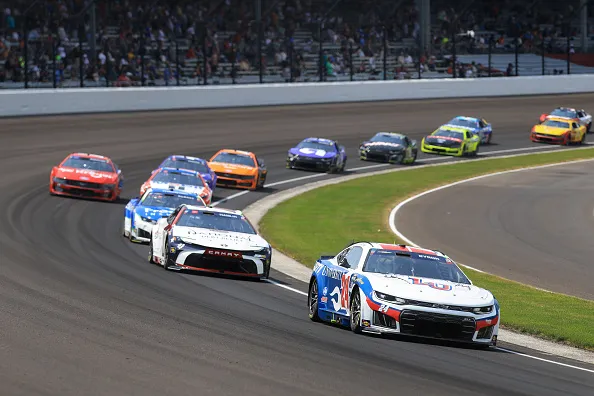
NASCAR, a titan in the world of motorsport, is stepping up its fight against counterfeit merchandise by filing a lawsuit against several sellers of fake goods. This legal maneuver underscores the crucial role trademark protection plays in safeguarding the integrity of brands, especially in the competitive landscape of sports. As counterfeit products flood the market, both fans and legitimate businesses face significant challenges. This article explores the intricacies of trademark law, the implications of NASCAR's lawsuit, and how it affects various stakeholders.
The Significance of Trademark Law in Sports
Trademark law serves as a cornerstone for brand protection, allowing companies to safeguard their logos, names, and other identifiers from unauthorized use. In the sports industry, where branding is directly linked to revenue, reputation, and fan loyalty, the stakes are particularly high. A trademark acts as a signal to consumers, indicating the source of goods and ensuring a level of quality and authenticity.
Counterfeit merchandise not only threatens a brand's financial health but also damages its reputation. For NASCAR, which relies heavily on merchandise sales to engage its fanbase and generate income, the proliferation of fake products can undermine years of brand-building efforts. Fans purchasing counterfeit items may be disappointed by the quality, leading to a deterioration of trust in the official brand.
Details of the Lawsuit
While specific details of the lawsuit have yet to be disclosed, NASCAR's legal action typically targets sellers who operate online platforms, such as e-commerce websites and social media marketplaces. These platforms have become hotspots for counterfeit goods, making it increasingly difficult for consumers to discern legitimate products from fakes.
NASCAR's lawsuit is likely grounded in several elements of trademark law, including:
- Trademark Infringement: Unauthorized use of NASCAR’s trademarks on counterfeit products.
- Unfair Competition: Competing with legitimate businesses by selling inferior goods.
- Consumer Confusion: Misleading consumers into believing they are buying authentic merchandise.
By pursuing legal action, NASCAR aims to deter counterfeiters and protect its brand integrity, while also educating consumers about the risks associated with purchasing counterfeit merchandise.
The Impact on Fans and Sellers
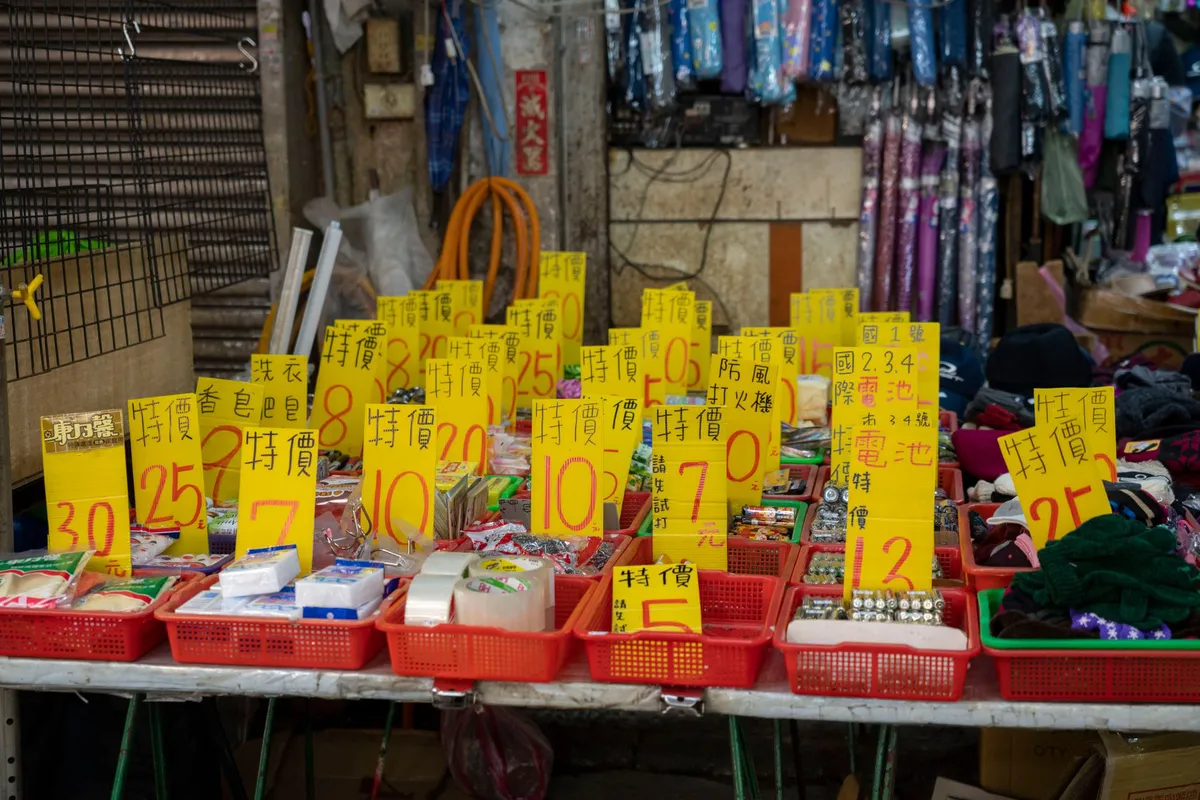
The ramifications of NASCAR's lawsuit extend beyond the court system; they affect fans and legitimate sellers alike. For fans, the allure of discounted merchandise can lead to purchasing decisions that ultimately result in disappointment. Counterfeit goods often lack the quality and durability associated with authentic NASCAR products, leading to frustration for fans who expect a certain level of quality.
For legitimate sellers, the presence of counterfeit goods can create an uneven playing field. Authorized retailers often invest significantly in brand partnerships, quality assurance, and customer service. When counterfeit sellers undercut prices, it can lead to decreased sales for legitimate businesses, jeopardizing their ability to maintain operations.
Understanding the Financial Stakes
The financial implications of counterfeit merchandise are staggering. According to estimates from the International Chamber of Commerce, counterfeiting costs the global economy over $500 billion annually. In the sports industry, where merchandise sales are a significant revenue stream, this figure can represent millions lost to counterfeit goods. For NASCAR, protecting its trademarks is not just about brand integrity; it's about preserving a vital source of income.

Legal Recourse and Consumer Awareness
As NASCAR continues its fight against counterfeiting, it serves as a reminder for consumers to be vigilant when purchasing merchandise. Here are some tips to help fans avoid counterfeit goods:
- Buy from Authorized Retailers: Always purchase from official NASCAR stores or authorized partners.
- Check for Quality: Authentic merchandise typically has higher quality materials and craftsmanship.
- Look for Branding: Genuine products will prominently feature NASCAR's trademarks and logos.
For individuals or businesses facing allegations of trademark infringement, it is crucial to seek legal counsel. Understanding the nuances of trademark law can help defend against potential lawsuits and navigate the complexities of intellectual property rights.
Key Takeaways
- NASCAR is actively pursuing legal action against counterfeit merchandise sellers.
- Trademark law plays a vital role in protecting brand integrity in sports.
- Counterfeit products can harm both fans and legitimate businesses financially.
- Consumers should be cautious and educated when purchasing merchandise.
Frequently Asked Questions
What is trademark infringement?
Trademark infringement occurs when someone uses a trademark or a similar mark without permission from the trademark owner, leading to consumer confusion regarding the source of goods. In the case of NASCAR, unauthorized sellers using the NASCAR logo on counterfeit merchandise would be infringing on the brand's trademark rights.
How can I identify counterfeit merchandise?
To identify counterfeit merchandise, consumers should look for discrepancies in quality, branding, and packaging. Authentic products typically feature high-quality materials, accurate logos, and proper labeling. If a product is significantly cheaper than what authorized retailers sell, it may be a counterfeit.
What should I do if I purchased counterfeit merchandise?
If you suspect that you have purchased counterfeit merchandise, it is advisable to contact the seller for a refund and report the incident to the platform where the purchase was made. Additionally, you can report counterfeit products to the brand owner, in this case, NASCAR, to assist in their ongoing efforts to combat counterfeiting.
What are the potential consequences of selling counterfeit goods?
Selling counterfeit goods can lead to severe legal consequences, including lawsuits, financial penalties, and even criminal charges in some cases. Businesses found to be selling counterfeit merchandise can also face reputational damage, which may deter consumers from purchasing from them in the future.
This article is for informational purposes only and should not be construed as legal advice.
Comments
Popular in Product Liability
- Court Decertifies Eggs Class Action Lawsuit: Implications and Insights
- San Diego Man Files Suit Against Amazon Over Exploding Fire Pit Incident
- Federal Court Approves $57 Million Settlement in Major Environmental Fraud Case
- NASCAR Battles Trademark Infringement: Unmasking Counterfeiters
- Ukrop's Prepared Meals Recall: What Consumers Need to Know