Chobani's No-Sugar Claim Under Scrutiny: A 7th Circuit Decision
The 7th Circuit Court has ruled that Chobani's no-sugar yogurt claims may lead to a lawsuit, raising questions about consumer protection and product labeling.
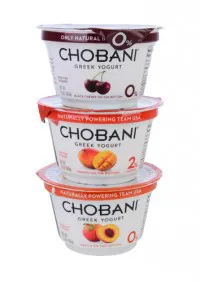
The recent ruling by the 7th Circuit Court has ignited discussions around consumer protection laws, particularly focusing on how food products are labeled and marketed. The court's decision allows a potential lawsuit against Chobani, a well-known yogurt manufacturer, to move forward based on claims that its no-sugar yogurt might mislead consumers. This case underscores the critical balance between marketing claims and consumer rights, particularly in an era where health-conscious choices drive purchasing decisions.
Chobani's yogurt, marketed as containing no sugar, has come under scrutiny for its labeling. While the product does not contain added sugars, the presence of naturally occurring sugars has raised questions among consumers and legal experts alike. This situation highlights a growing concern in the food industry regarding how sugar content is communicated to consumers, especially in light of the increasing awareness of sugar's health impacts.
Understanding the Legal Landscape
The ruling by the 7th Circuit provides a glimpse into the legal frameworks that govern food labeling in the United States. The Federal Trade Commission (FTC) and the Food and Drug Administration (FDA) regulate advertising and labeling practices to ensure that they are not misleading. The court's decision hinged on whether consumers could reasonably be misled by Chobani's claims, a question that taps into the broader principles of consumer protection law.
Key Legal Principles Involved
- Deceptive Advertising: Claims made by companies must not mislead consumers about the nature or benefits of their products.
- Labeling Standards: The FDA has strict guidelines on how food products should disclose their contents, including sugars.
- Consumer Expectations: Courts often consider what an average consumer would understand from the product's labeling.

Consumer Impact: Why This Matters
For consumers, the implications of this lawsuit are significant. As people become more health-conscious, they rely heavily on product labels to make informed choices. Misleading claims can lead consumers to believe they are making healthier choices when, in reality, they may not be. The Chobani case exemplifies the importance of transparency in food marketing and the potential consequences for companies that fail to meet these expectations.
The Role of Sugar in Health Consciousness
With rising concerns over sugar consumption linked to obesity, diabetes, and other health issues, consumers are increasingly aware of what they are putting into their bodies. Products marketed as “no sugar” or “sugar-free” are particularly appealing to health-conscious shoppers. This case serves as a reminder of the need for clear and truthful labeling, as misleading claims can not only violate consumer trust but also lead to broader health implications.

Chobani's Response and Future Implications
In response to the lawsuit, Chobani maintains that its labeling is compliant with federal regulations and that its marketing accurately reflects the product's sugar content. The company argues that the absence of added sugars qualifies the product as a no-sugar option. However, the court's ruling opens the door for further scrutiny, and if the lawsuit proceeds, it could set a precedent for how similar products are marketed in the future.
Market Trends and Legal Consequences
This case is not just about Chobani; it reflects broader trends in the food industry where companies are increasingly challenged over their marketing practices. As more consumers demand transparency and clarity, companies may need to adapt their marketing strategies to avoid legal pitfalls. A ruling against Chobani could prompt other food manufacturers to rethink their labeling practices to prevent similar legal challenges.

Key Takeaways
- The 7th Circuit's ruling allows a lawsuit against Chobani to move forward.
- Claims of no added sugar can be misleading if natural sugars are present.
- This case highlights the importance of truthful labeling in food marketing.
- Consumer protection laws are designed to prevent misleading advertising practices.
Frequently Asked Questions
What is the basis of the lawsuit against Chobani?
The lawsuit against Chobani centers on allegations that the company's no-sugar yogurt labeling is misleading. While the product does not contain added sugars, it contains natural sugars from the yogurt itself, potentially leading consumers to believe it is entirely sugar-free. This raises questions about the adequacy of food labeling practices and whether they meet consumer expectations for transparency.
How does this ruling impact other food manufacturers?
The ruling could have significant implications for other food manufacturers as it sets a precedent for how sugar content is advertised. If the lawsuit against Chobani succeeds, it may encourage consumers to challenge similar marketing claims in other products, prompting companies to reassess their labeling and advertising strategies to ensure compliance with consumer protection laws.
What should consumers do if they feel misled by food labeling?
Consumers who feel misled by food labeling should first report their concerns to the manufacturer and the appropriate regulatory agency, such as the FDA. They may also want to consult with a legal professional if they believe they have been harmed by misleading advertising practices. Staying informed about food labeling and understanding what claims mean can empower consumers to make better choices.

What are the potential outcomes of the lawsuit?
The potential outcomes of the lawsuit could range from a dismissal of the claims to a ruling in favor of consumers, which might lead to financial damages, changes in labeling practices, and potentially even punitive measures against Chobani. The case could also inspire regulatory changes in how food products are labeled and marketed, reinforcing the importance of transparency in consumer goods.
This article is for informational purposes only and does not constitute legal advice.
Comments
Furniture Financing: 12 Essential Insights Every Buyer Should Know
Navigating furniture financing can be daunting. This article covers 12 critical insights to help you make informed decisions, ensuring your furniture purchase fits within your budget without hidden costs.

Related articles
Popular in Product Liability
- Court Decertifies Eggs Class Action Lawsuit: Implications and Insights
- NASCAR Battles Trademark Infringement: Unmasking Counterfeiters
- Ukrop's Prepared Meals Recall: What Consumers Need to Know
- San Diego Man Files Suit Against Amazon Over Exploding Fire Pit Incident
- Federal Court Approves $57 Million Settlement in Major Environmental Fraud Case