Product Liability Cases Surge to 10-Year High: What It Means for Consumers
A recent report highlights a significant increase in product liability cases, reaching a decade-high. This article explores the implications for consumers, manufacturers, and the legal landscape.
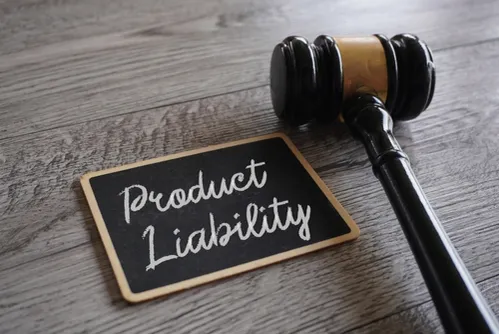
In a striking revelation, a recent report from Lex Machina shows that product liability cases have surged to a ten-year high, reflecting a growing trend in the legal landscape that both consumers and manufacturers must take seriously. As American consumers increasingly demand accountability from the companies that produce their everyday goods, the implications of this surge extend beyond courtrooms, shaping regulatory policies and corporate practices.
This surge not only indicates a more litigious society but also underscores the evolving nature of consumer protection laws in the United States. As we delve into the factors contributing to this trend, the types of claims being filed, and what consumers can do if they find themselves harmed by defective products, it becomes clear that understanding product liability is more crucial than ever.

Understanding Product Liability
Product liability refers to the legal responsibility of manufacturers, distributors, and retailers to ensure that the products they sell are safe for consumer use. When a product causes harm due to defects in design, manufacturing, or marketing (such as inadequate warnings), consumers may file a product liability lawsuit seeking compensation for their injuries or losses.
Types of Product Defects
There are three primary categories of product defects that can lead to liability claims:
- Design defects: Flaws that exist in the design of a product, making it inherently unsafe for use even before it is manufactured.
- Manufacturing defects: Errors that occur during the production process, resulting in a product that deviates from its intended design and is unsafe.
- Marketing defects: Insufficient instructions or warnings about the product's use, leading to consumer misuse or injury.

The Rise in Product Liability Cases
The Lex Machina report reveals that the increase in product liability cases can be attributed to several factors:
Consumer Advocacy and Awareness
With the rise of social media and consumer advocacy groups, awareness of product safety issues has intensified. Consumers are more informed and willing to speak out against companies that produce harmful products. This cultural shift is prompting more individuals to pursue legal action when they encounter unsafe products.
Increased Regulatory Scrutiny
Government agencies, such as the Consumer Product Safety Commission (CPSC), have ramped up their efforts to monitor and regulate product safety. Stricter regulations force companies to prioritize safety, but failures can lead to increased litigation.
Litigation Financing
The growth of litigation financing has also played a significant role. Companies specializing in funding lawsuits allow consumers to pursue claims without the burden of upfront legal costs. This financial support has made it easier for consumers to take action against corporations, contributing to the rise in cases.
Implications for Consumers and Manufacturers
The spike in product liability cases carries significant implications for both consumers and manufacturers. For consumers, it means greater protection and potential avenues for compensation when harmed by defective products. However, it also places a heavier burden on manufacturers to ensure compliance with safety standards.
What Consumers Should Know
For consumers, understanding their rights is paramount. If you believe you have been injured by a defective product, you may have grounds for a lawsuit. Key considerations include:
- The nature of your injury or damage.
- The specific defect in the product.
- Documentation of the incident, including medical records and product receipts.

Navigating the Legal Landscape
For those considering a product liability claim, navigating the legal landscape can be daunting. Here are some steps to take:
Consult a Legal Professional
Engaging a lawyer who specializes in product liability is crucial. They can assess the merits of your case, guide you through the process, and help gather necessary evidence.
Understand Statutes of Limitations
Each state has its own statute of limitations for filing product liability claims, typically ranging from one to six years. It’s essential to act quickly, as waiting too long can forfeit your right to sue.
Prepare for Possible Outcomes
Be aware that product liability cases can lead to settlements or go to trial. Understanding the potential outcomes, including damages you may be entitled to, can help set realistic expectations.
Key Takeaways
- Product liability cases have reached a 10-year high, reflecting increased consumer awareness and advocacy.
- Understanding the types of product defects is essential for pursuing a claim.
- Consumers should consult legal professionals quickly to ensure they meet filing deadlines.
- Manufacturers face greater scrutiny and must prioritize safety to avoid litigation.
Frequently Asked Questions
What should I do if I believe I have a product liability case?
If you suspect you have a product liability case, start by documenting everything related to your injury and the product in question. Gather medical records, receipts, and any communications with the manufacturer. Consulting with a lawyer experienced in product liability is a critical next step, as they can help you understand your rights and potential legal avenues.
How long do I have to file a product liability claim?
The time frame for filing a product liability claim varies by state, typically ranging from one to six years. It's important to check the specific laws in your jurisdiction as missing the deadline can bar you from pursuing your claim entirely. Take action as soon as possible to protect your rights.
Can I file a lawsuit against a manufacturer if I used the product improperly?
In some cases, yes. While using a product improperly can complicate a case, it does not automatically preclude liability. If the product was inherently unsafe or lacked sufficient warnings, you may still have grounds for a claim. Legal counsel can help assess the specifics of your situation.
What damages can I recover in a product liability lawsuit?
In a successful product liability lawsuit, you may be entitled to recover various types of damages, including medical expenses, lost wages, pain and suffering, and in some cases, punitive damages aimed at penalizing the manufacturer for gross negligence. Understanding the potential recovery can help guide your decision to pursue legal action.
This article is for informational purposes only and does not constitute legal advice.
Comments
Popular in Product Liability
- Court Decertifies Eggs Class Action Lawsuit: Implications and Insights
- NASCAR Battles Trademark Infringement: Unmasking Counterfeiters
- Ukrop's Prepared Meals Recall: What Consumers Need to Know
- San Diego Man Files Suit Against Amazon Over Exploding Fire Pit Incident
- Federal Court Approves $57 Million Settlement in Major Environmental Fraud Case