Hope Amid Despair: Rescues Continue in Nepal's Flood Crisis
In the aftermath of devastating floods in Nepal, rescue teams have successfully saved two individuals from the rubble, raising hopes for thousands still missing. This article delves into the ongoing rescue efforts and the implications for the affected communities.
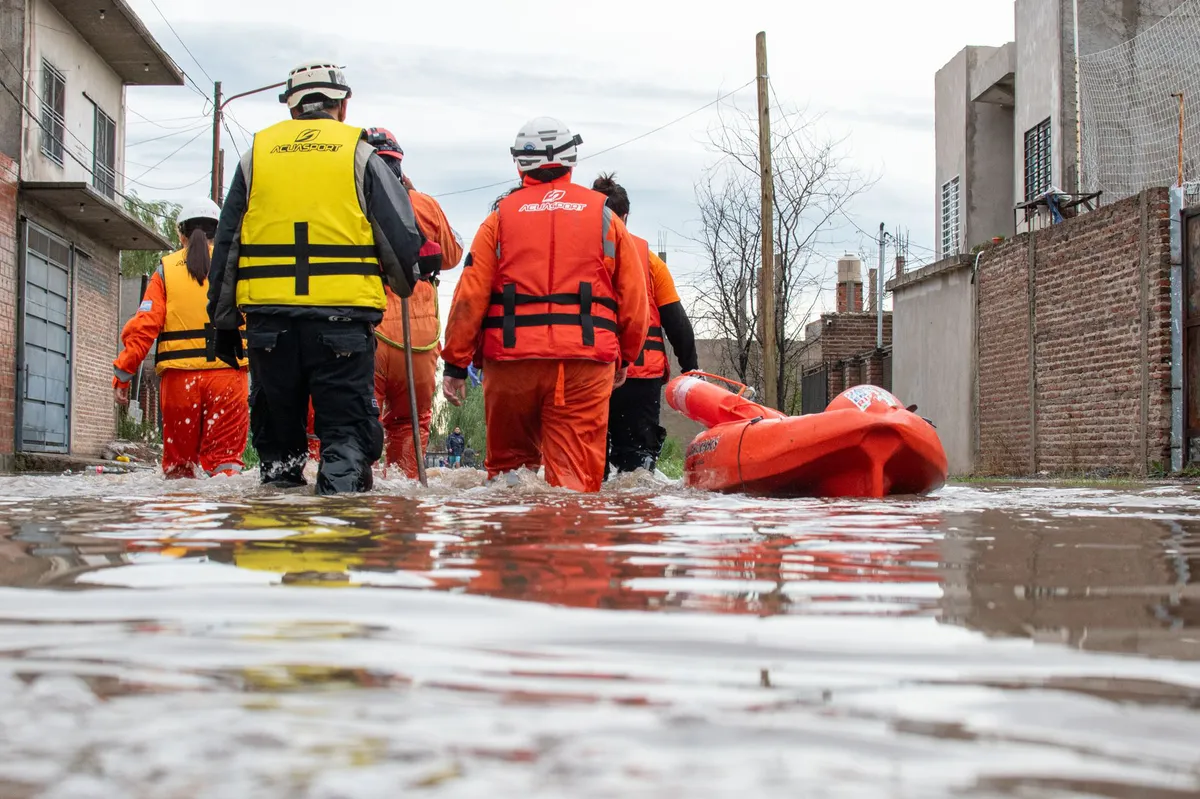
The recent floods in Nepal have left a trail of destruction and despair, yet amidst the chaos, stories of survival continue to emerge. On Saturday, rescuers successfully pulled a Chinese man and a woman from the debris, ten days after the catastrophic floods wreaked havoc across the country. These rescues have sparked a glimmer of hope as search operations persist for thousands of missing individuals, emphasizing the resilience of both the rescuers and the survivors.
On the same day, rescuers managed to extract the man from a hydropower tunnel, marking a significant milestone in the ongoing rescue operations at the Trishuli hydropower project. This marks the third successful rescue from the site, following the extraction of two Nepalese workers just a day earlier. The efforts underscore the urgency of the situation, with approximately 900 workers still unaccounted for, and around 500 believed to be trapped in various tunnels.
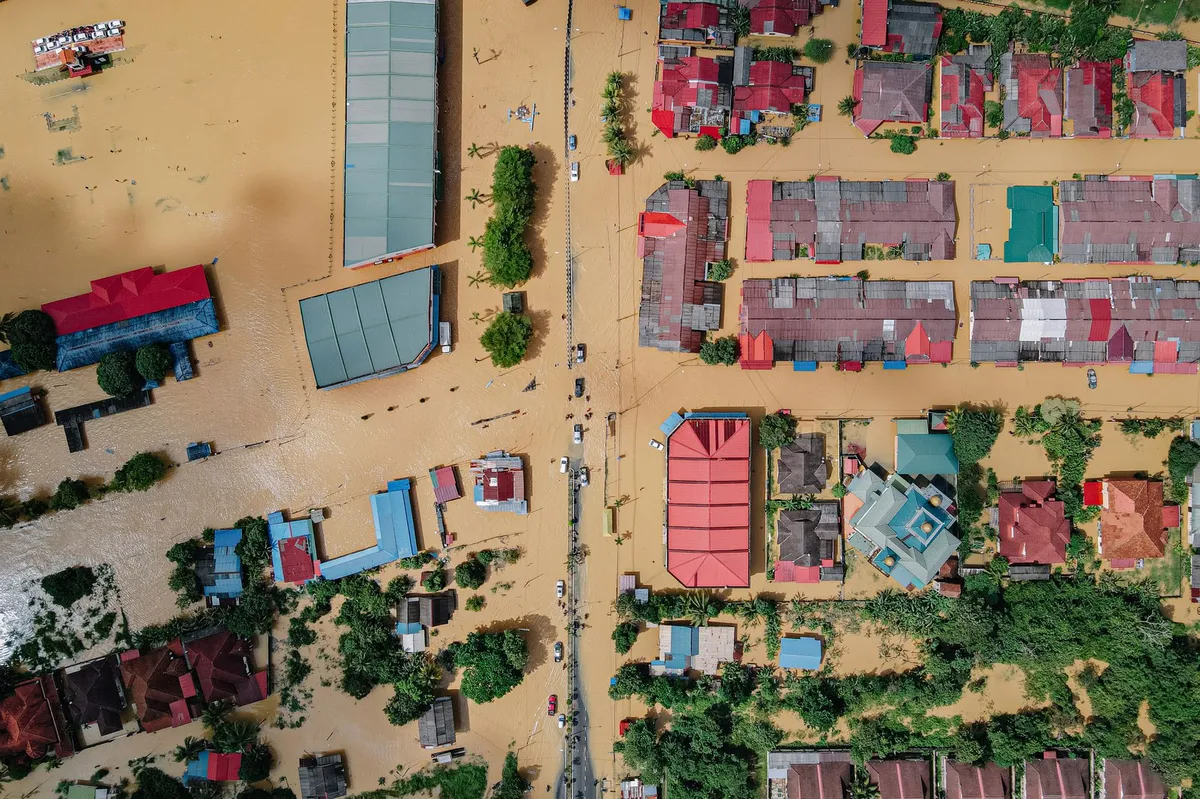
The Scale of the Disaster: Flooding and Its Aftermath
The floods, which struck on August 26, have been attributed to a catastrophic glacier collapse, leading to unprecedented rainfall and subsequent flooding. This natural disaster has resulted in at least 1,300 confirmed fatalities, with the number of missing individuals soaring beyond 5,000, according to the Nepalese disaster management agency. The sheer scale of the crisis has prompted an international response, with specialized rescue teams from countries including India, China, South Korea, and the United States joining forces to search for survivors.
Challenges Faced by Rescue Teams
The geographical terrain of Nepal adds complexity to the rescue efforts. Many affected areas are remote, making access incredibly challenging. The aftermath of the flooding has left numerous roads impassable, and the stability of structures remains in question, posing risks to both rescuers and survivors. Additionally, the psychological toll on communities is significant, as families grapple with the uncertainty of their loved ones' fates.
Rescue teams are not only battling the physical challenges posed by the debris and damaged infrastructure but also the emotional strain of the situation. The need for coordination among various agencies and countries has never been more critical. Specialized equipment and teams are being deployed to sift through rubble and navigate hazardous conditions, with many rescuers working around the clock.
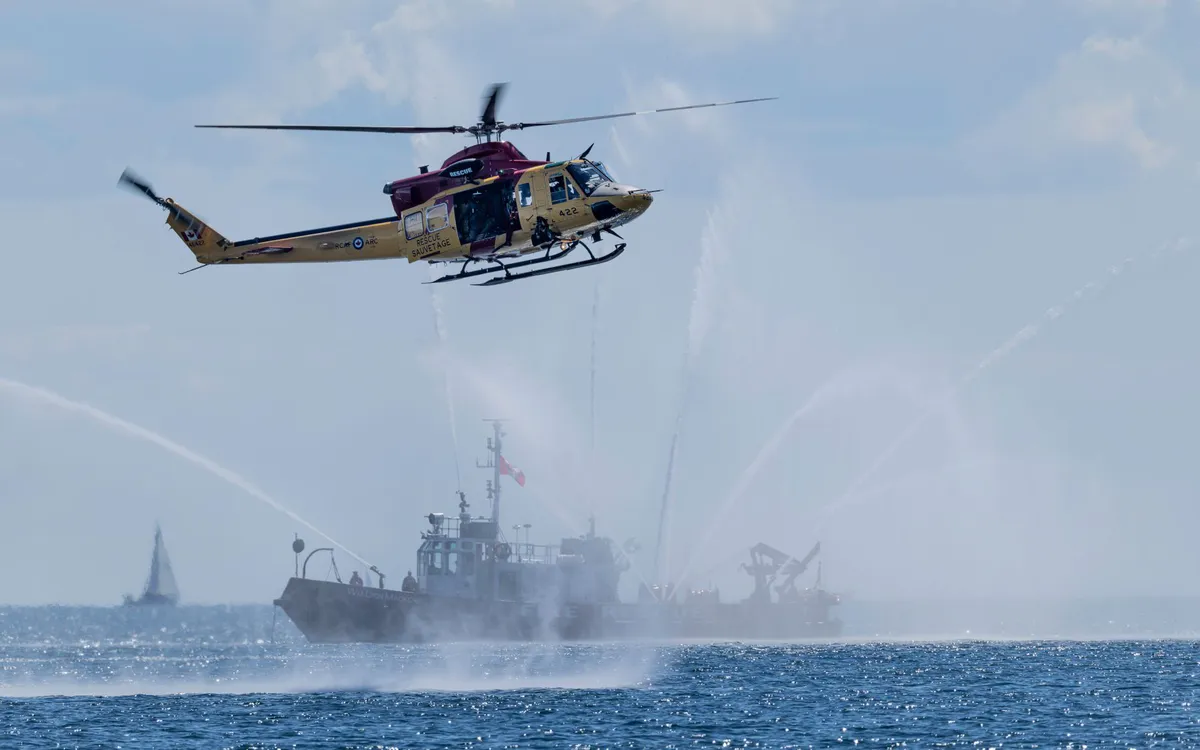
Moments of Triumph: Successful Rescues
Despite the overwhelming challenges, moments of triumph have surfaced. The man rescued from the hydropower tunnel expressed his disbelief and relief upon seeing the rescue lights. He recounted how, despite shouting for help, he felt isolated until the rescuers finally reached him. His story is a testament to human endurance and the relentless pursuit of hope amid despair.
Similarly, in the flood-affected Nuwakot town, the rescue of a woman from a submerged house further illustrates the determination of the teams involved. Images released by the Nepalese army captured the moment she was found, covered in mud and in need of urgent care. The swift response of the rescue teams, providing her with bottled water and promptly airlifting her to Kathmandu, highlights the critical nature of these rescue operations and the commitment of those involved.
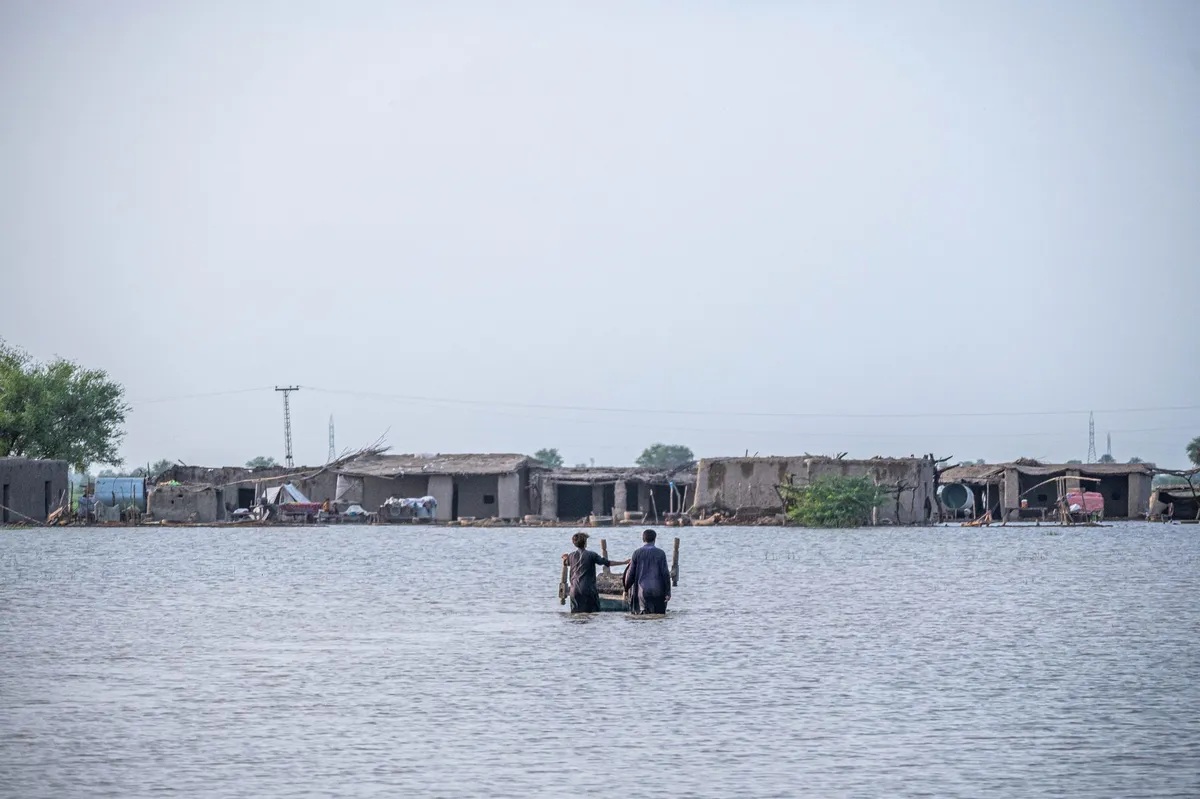
The Broader Implications for Nepal
The ongoing crisis raises several important questions regarding disaster preparedness in Nepal, a country frequently affected by natural disasters. Although the immediate focus remains on rescue efforts, discussions about long-term strategies for disaster management are crucial. This includes examining infrastructure resilience, emergency response frameworks, and community preparedness initiatives.
The government, along with international partners, must assess the current disaster response protocols and consider reforms to enhance efficiency in future crises. Furthermore, the role of climate change cannot be overlooked; as extreme weather events become increasingly common, strategies for mitigating such disasters must be prioritized.
Community Response and Recovery
As rescue operations continue, the affected communities are banding together to support one another. Local organizations and international aid agencies are mobilizing resources to provide shelter, food, and medical assistance to those displaced by the floods. Community resilience is being tested, but the solidarity displayed among neighbors and families offers a glimmer of hope for recovery.
- Emergency shelters have been established for displaced families.
- Health services are being ramped up to address immediate medical needs.
- Psychosocial support is being offered to help individuals cope with the trauma.
In the face of adversity, the strength of community bonds is evident. Local leaders are coordinating efforts to ensure that aid reaches the most vulnerable, and initiatives aimed at rebuilding and recovery are beginning to take shape.
Key Takeaways
- Rescue teams have successfully saved two individuals from the debris in Nepal.
- Approximately 900 workers are still missing, with extensive efforts ongoing to locate them.
- International collaboration is crucial in the ongoing rescue and recovery operations.
- The impact of climate change on disaster frequency highlights the need for improved preparedness.
Frequently Asked Questions
What caused the recent floods in Nepal?
The floods in Nepal were likely caused by a glacier collapse that led to extreme rainfall and subsequent flooding. This type of natural disaster is not uncommon in the region, which is susceptible to the effects of climate change and shifting weather patterns. The consequences of such events can be devastating, as seen by the tragic loss of life and widespread destruction.
How are rescue operations being coordinated?
Rescue operations in Nepal involve a collaborative effort between local authorities, the Nepalese military, and international teams from countries like India, China, South Korea, and the United States. Specialized equipment and trained personnel are deployed to navigate the challenging terrain and debris. Coordination among these entities is essential to maximize the effectiveness of rescue efforts and ensure that resources are utilized efficiently.
What support is being provided to affected communities?
In the wake of the floods, various forms of support are being offered to affected communities. Emergency shelters have been established to provide temporary housing, while food and medical assistance are being distributed to those in need. Additionally, mental health services are being made available to help individuals cope with the trauma of the disaster. Local organizations are playing a vital role in mobilizing resources and coordinating relief efforts.
Comments
Popular in Personal Injury
- Hawaii Supreme Court Overturns 36-Year-Old Rape Conviction Due to Forensic Flaws
- The Impact of Pro Bono Work by BigLaw Firms in 2025
- Albertsons Faces Trial Over Role in Washington's Opioid Crisis
- The Hidden Dangers of Open Manholes in New York City
- Historic $81 Million Verdict in Utah Pedestrian Wrongful Death Case