Quebec Archdiocese Settles Sexual Abuse Claims for $31.5 Million
The Quebec Archdiocese has approved a landmark $31.5 million settlement for survivors of sexual abuse, marking a significant milestone in the long fight for justice. This settlement opens the door for more survivors to come forward and seek recognition and compensation for their suffering.
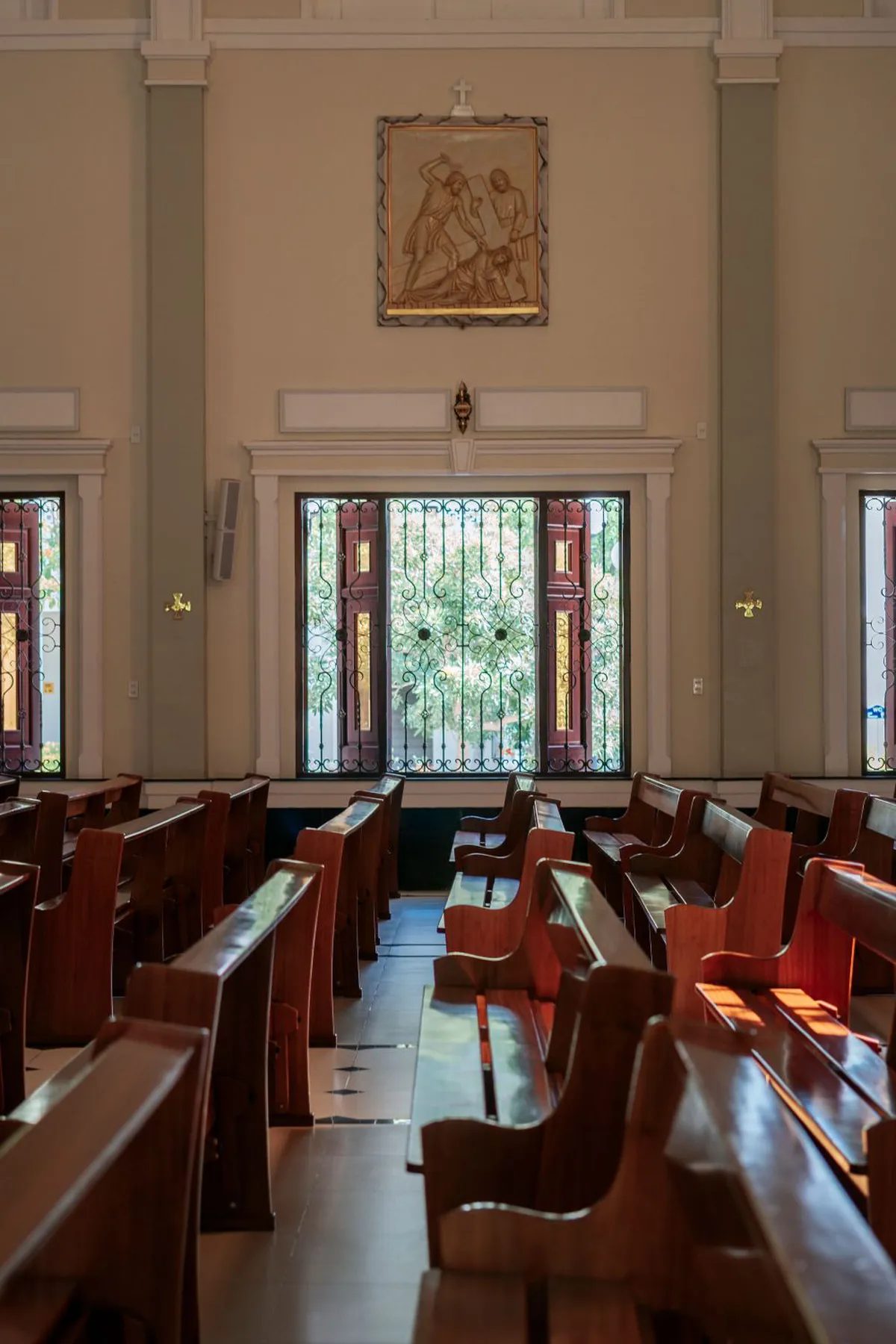
In a groundbreaking decision, the Quebec Archdiocese has approved a $31.5 million settlement to compensate victims of sexual abuse committed by priests and other church affiliates over decades. This monumental agreement comes in the wake of a class-action lawsuit that has brought to light the harrowing experiences of hundreds of survivors who have long sought justice for the abuse they endured, some as far back as 1940. Approved by Quebec Superior Court Judge Justice Danye Daigle, the settlement represents not only a financial remedy but also a significant acknowledgment of the pain and suffering experienced by the victims.
The lawsuit was spearheaded by representative plaintiffs Gaétan Bégin and Pierre Bolduc, both of whom bravely shared their traumatic experiences of being abused as children. Bégin, now 86, revealed that his ordeal began at the age of 14, while Bolduc was only 12 when he was first assaulted. Their stories, along with those of other survivors, highlight the long-lasting impact of such abuse, affecting not just the victims but their families as well. As Bégin poignantly expressed, the court's ruling is a crucial moment in his life after decades of carrying the weight of his traumatic past.

The Context of Abuse within the Church
The Catholic Church has faced numerous allegations of sexual abuse over the years, with many cases spanning several decades. The Quebec Archdiocese’s case is just one of many that reflect a broader epidemic of abuse within religious institutions. Many survivors have struggled for years to gain recognition of their suffering, often battling stigma and disbelief. This settlement not only serves to provide financial compensation but also aims to restore dignity to victims who have often felt marginalized by society.
The Legal Journey
The legal journey leading to this settlement has been arduous. The claims process involved extensive testimony from survivors during public hearings and legal scrutiny of the allegations. Justice Daigle’s approval indicates that the proposed agreement was deemed fair and in the best interests of those affected. The settlement fund will be financed by several organizations tied to the archdiocese, including Collège François-de-Laval and Séminaire de Québec, alongside the archdiocese itself.

Claims Process and Survivor Compensation
Under the settlement terms, approximately 200 individuals who have joined the lawsuit will be eligible for compensation. However, survivors who have not yet come forward have the opportunity to submit claims within a 90-day window following the court’s approval. The claims process is designed to be thorough and sensitive, requiring each claimant to describe the abuse they suffered and its impact on their lives.
- Individual Claims: Claims will be evaluated on a case-by-case basis, recognizing that each survivor's experience and the repercussions of the abuse are unique.
- Adjudication by Retired Judges: Two retired judges will oversee the claims review, determining the amount of compensation based on the individual accounts and supporting evidence.
- Written Apology: Accepted claimants will also receive a formal written apology from the Archdiocese, acknowledging the harm done.
This structured approach aims to ensure that the compensation reflects the severity of each case while providing a pathway for healing.
Impact on Survivors and Community Response
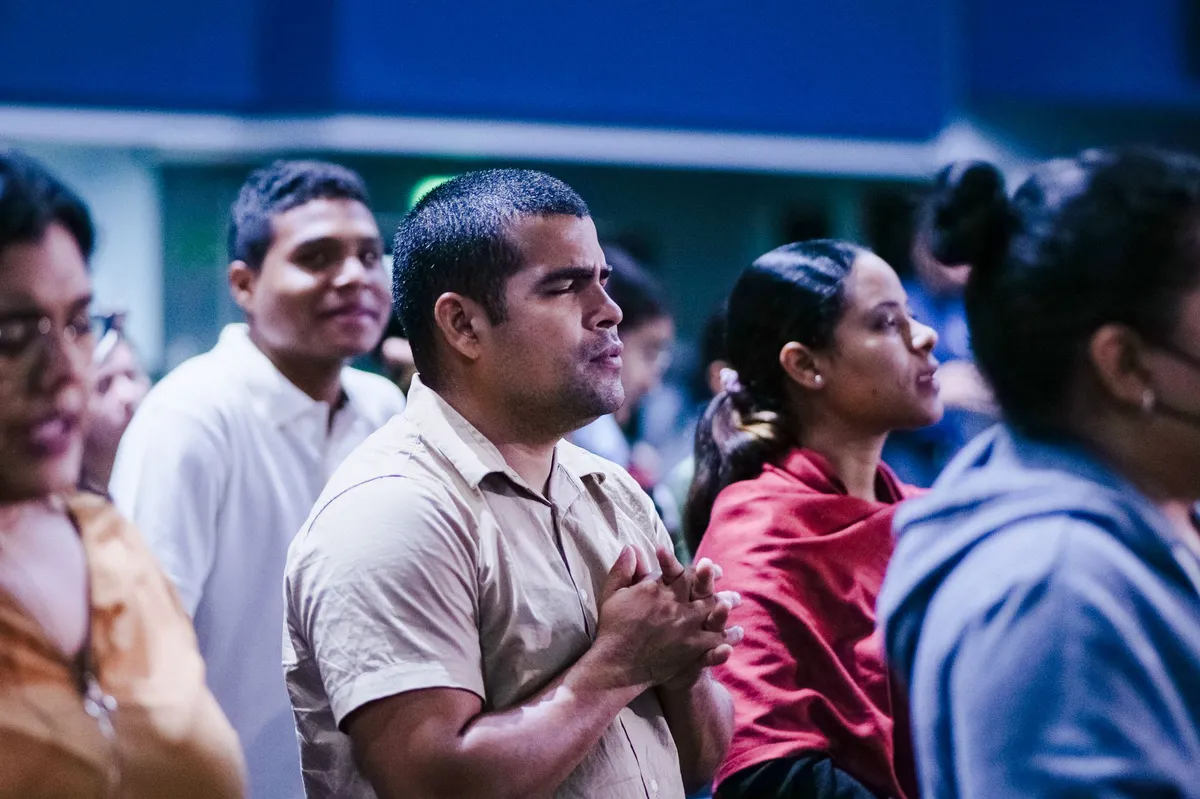
The implications of this settlement extend beyond the monetary compensation. For many survivors, the acknowledgment of their suffering is a critical component of their healing process. The court’s decision offers a platform for survivors to share their stories and seek the justice they have long been denied. This settlement is viewed as a pivotal moment for the community, as it encourages other survivors to step forward and seek the recognition they deserve.
Moreover, the agreement has prompted discussions about the need for systemic change within religious institutions and the mechanisms in place to protect children from abuse. Advocates call for more robust measures to ensure accountability and transparency within the church, aiming to prevent future abuses.
Legal and Societal Ramifications
This case is significant not only for the survivors but also for the legal landscape surrounding sexual abuse claims. The sheer scale of the settlement is one of the largest of its kind involving a Catholic diocese in Quebec, setting a precedent for future cases. Legal experts suggest that this could pave the way for more survivors to pursue similar claims against institutions that have historically shielded abusers.
As society grapples with the fallout from these abuse scandals, there is a pressing need for reform both in institutional policies and societal attitudes toward victims. The recognition of the harm caused and the establishment of compensatory frameworks are essential steps towards healing and justice.
Key Takeaways
- The Quebec Archdiocese has approved a $31.5 million settlement for sexual abuse survivors.
- Survivors have 90 days to join the claims process for compensation.
- Compensation will be assessed on a case-by-case basis by retired judges.
- The settlement includes a formal apology from the Archdiocese to the victims.
- This case highlights the ongoing need for accountability within religious institutions.
Frequently Asked Questions
What does the settlement cover?
The settlement covers claims made by individuals who have been sexually abused by priests and other affiliated workers of the Quebec Archdiocese. It is designed to provide financial compensation as well as a formal acknowledgment of the abuse suffered by these individuals.
How can survivors file a claim?
Survivors of abuse who have not yet joined the class-action lawsuit have a window of up to 90 days to file their claims. They must provide details about their experiences and the impact of the abuse on their lives. Legal representation is encouraged to navigate the claims process effectively.
What will the compensation process look like?
The claims will be reviewed by two retired judges who will determine the amount of compensation based on the individual circumstances of each case. This means that not all claims will receive the same amount, as the severity and impact of the abuse will be considered during this evaluation.
What does this settlement mean for future abuse cases?
This landmark settlement sets a significant precedent for future abuse cases involving religious institutions. It may empower more survivors to come forward and seek justice, as well as encourage systemic changes to prevent future abuses.
Comments
Key Developments in the Tupac Shakur Murder Trial: A Deep Dive
As the Tupac Shakur murder trial unfolds, significant testimonies and investigative challenges reveal the complexities of this long-standing case. Explore the implications for justice and the legal landscape surrounding it.

Related articles



Popular in Personal Injury
- Hawaii Supreme Court Overturns 36-Year-Old Rape Conviction Due to Forensic Flaws
- The Impact of Pro Bono Work by BigLaw Firms in 2025
- Albertsons Faces Trial Over Role in Washington's Opioid Crisis
- The Hidden Dangers of Open Manholes in New York City
- Historic $81 Million Verdict in Utah Pedestrian Wrongful Death Case