Wildfire Smoke Exposure: The Controversial Role of Glutathione Supplements
Firefighters battling wildfires face serious health risks, and a controversial supplement, glutathione, is being offered as a remedy despite safety concerns. Experts warn about its unproven efficacy and contamination risks, urging caution among first responders.
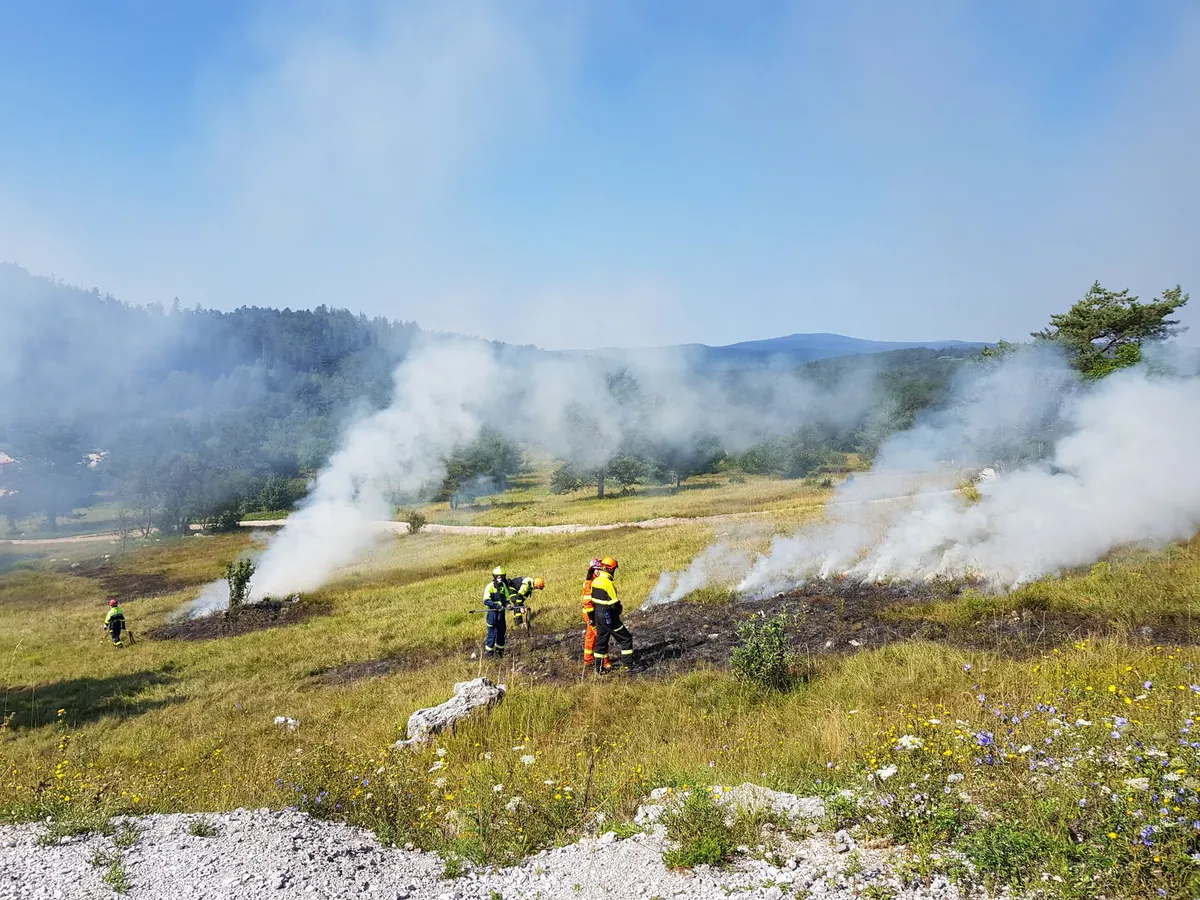
As wildfires rage across the West, firefighters are not just battling flames but also facing significant health risks from toxic smoke exposure. To combat these dangers, some have turned to glutathione, an antioxidant supplement touted for its potential health benefits. However, recent warnings from fire and medical officials have raised serious concerns about the safety and efficacy of this supplement. As wildland firefighters grapple with the harsh realities of their profession, the question arises: is glutathione a viable solution or a risky gamble?
Glutathione, an antioxidant produced naturally in the liver, is believed to help mitigate oxidative stress caused by exposure to harmful substances, including those found in wildfire smoke. Given through injections or nebulizers, it has gained popularity among firefighters seeking relief from the adverse effects of smoke inhalation. Yet, mounting evidence suggests that its use is fraught with potential dangers, particularly in the context of contamination during production and a lack of reliable clinical studies to support its claims.
Understanding the Risks of Glutathione
While glutathione is marketed as a health supplement, it comes with significant caveats. Firefighters have reported feeling better after using the supplement, which has encouraged some to advocate for its continued availability. However, medical experts caution that anecdotal evidence does not equate to proven efficacy. In August, at least two pharmacies recalled glutathione products due to bacterial contamination, leading to reports of serious side effects including fever, chills, and severe headaches among users. This situation highlights the importance of scrutinizing not just the claims made by supplement providers but also the safety standards adhered to during their production.
The Context of Smoke Exposure
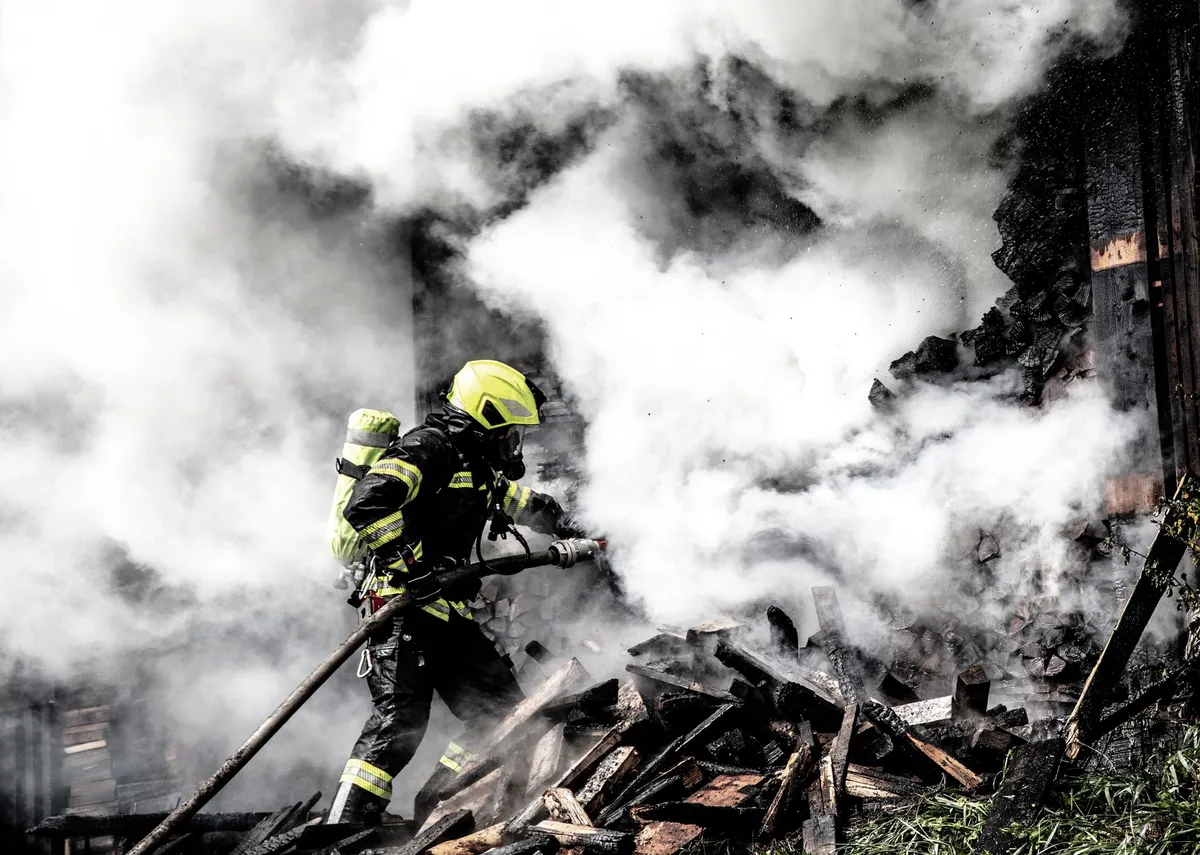
Firefighters routinely work in environments laden with toxic smoke, especially as urban areas burn during wildfires, releasing harmful chemicals from household items and industrial materials. The health implications of this exposure are severe. According to the American Lung Association, tens of thousands of deaths in the U.S. each year can be linked to long-term health effects from wildfire smoke. Firefighters are often unable to use respirators, leaving them vulnerable to inhaling a cocktail of hazardous substances.
Health Implications of Smoke Exposure
Firefighters face numerous health risks associated with smoke inhalation, including:
- Respiratory Issues: Chronic coughing and bronchitis.
- Cognitive Impairment: Symptoms like brain fog and memory loss.
- Long-Term Diseases: Increased risk of cardiovascular diseases and certain cancers.
Pasadena Fire Captain Matt Caffey, who has served as a paramedic for nearly three decades, shared his experiences with smoke exposure, reporting symptoms like vomiting and debilitating brain fog that hinder his ability to function effectively on the job. These firsthand accounts underscore the urgency of finding effective treatments for firefighters suffering from the aftereffects of smoke exposure.
The Science Behind Glutathione
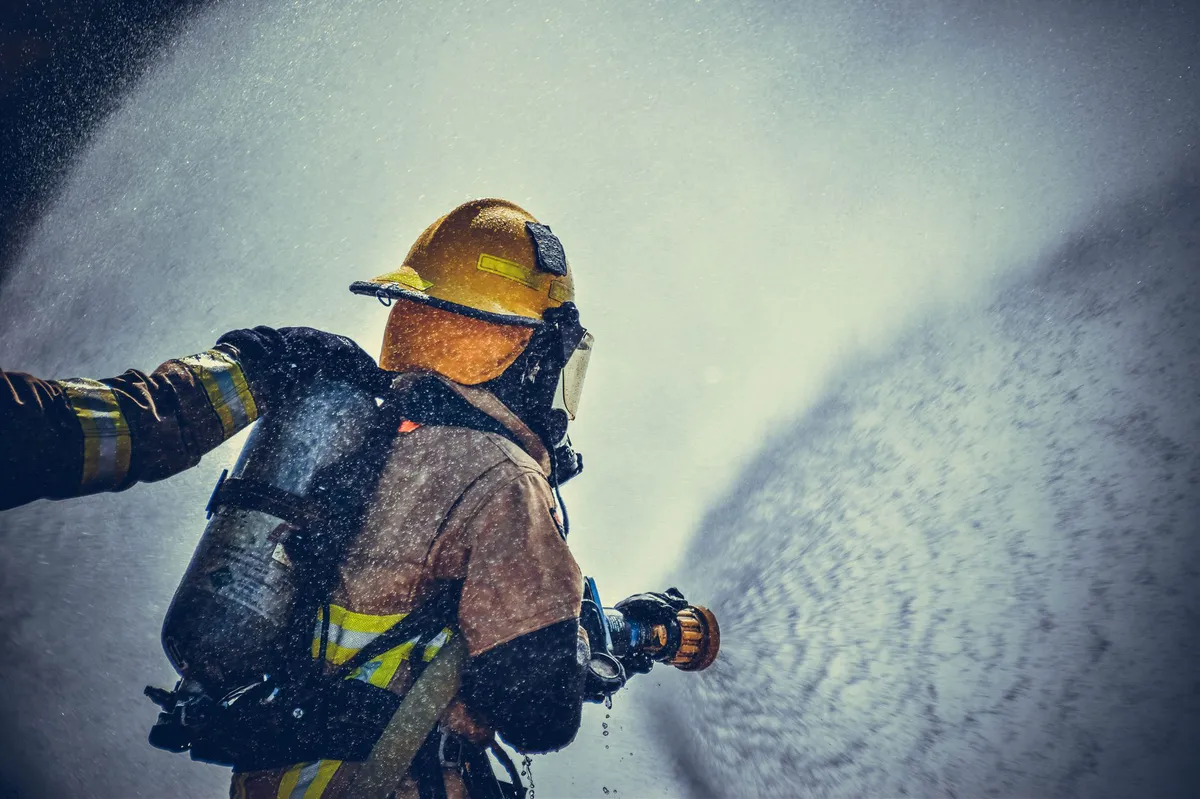
Experts have expressed skepticism about the health claims surrounding glutathione. Dr. Cora Sack, a pulmonary specialist at the University of Washington, emphasized the need for rigorous clinical studies to determine the supplement's efficacy, stating that while it has intriguing biological properties, there is no solid evidence supporting its therapeutic use in the context of smoke exposure.
Furthermore, there are risks associated with taking glutathione, particularly through nebulization, which can constrict airways in individuals with asthma or other chronic lung issues. The possibility of contamination during the compounding process poses additional risks, as illustrated by recent recalls. Contaminated products can lead to severe adverse reactions, including anaphylactic shock and even death.
Potential Adverse Effects
Experts warn that using glutathione can result in:
- Airway Constriction: Especially dangerous for those with pre-existing lung conditions.
- Contamination Risks: Serious health incidents linked to bacterial contamination.
- Unpredictable Reactions: Varying responses to the supplement among individuals.
In light of these findings, the International Association of Firefighters (IAFF) has issued a safety advisory urging caution among its members regarding the use of glutathione. Sean DeCrane, IAFF's assistant to the general president for health and safety, called for a thorough evaluation of medical treatments marketed to firefighters to ensure there are no unintended consequences.
Calls for Research and Regulation
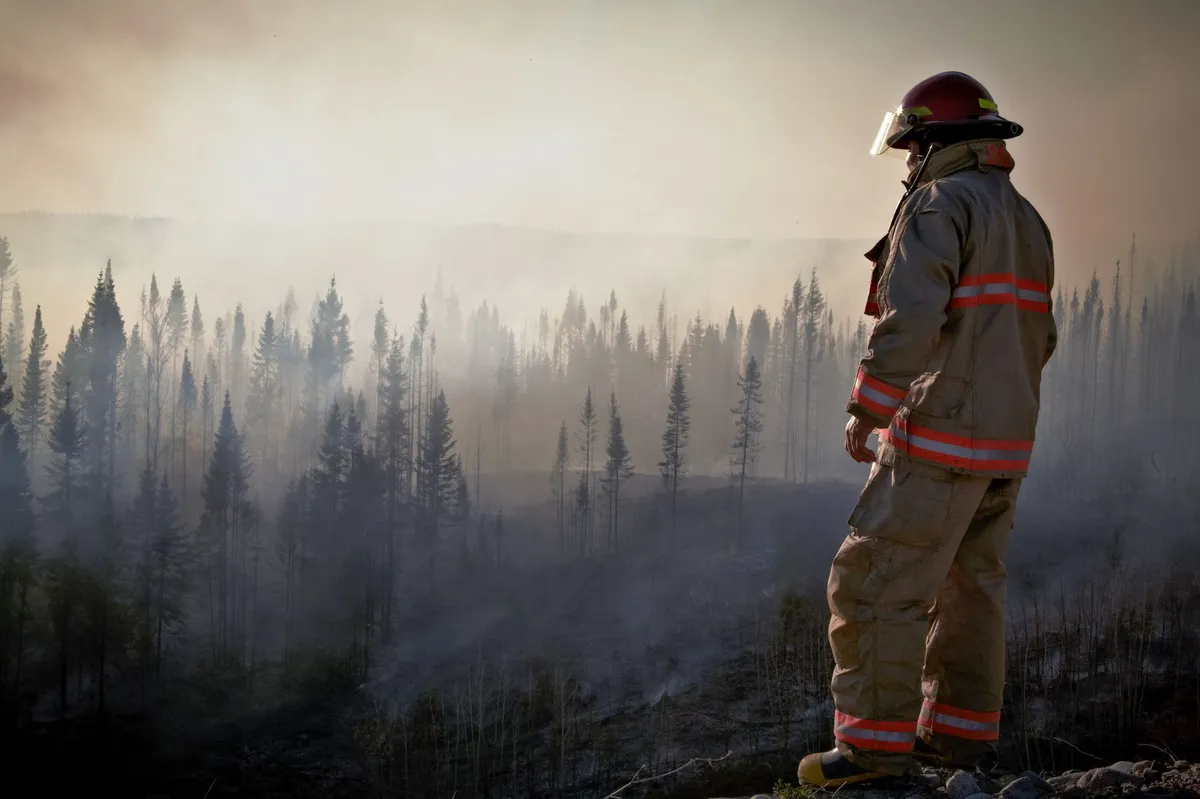
In response to growing concerns, practitioners from The Integrative Health Action Network, a nonprofit group that has been administering glutathione to firefighters, have acknowledged the necessity for peer-reviewed research to validate their claims. Jen Riegle, a co-founder of the organization, stated they are actively seeking partnerships to conduct research on the supplement's potential effects on chemical burdens in firefighters.
Despite the lack of evidence, some firefighters remain staunch advocates for glutathione, arguing that it provides them with much-needed relief. This sentiment reflects a broader struggle within the firefighting community: the need for effective treatments that protect their health while navigating the dangers of their profession.
Key Takeaways
- Glutathione is not FDA-approved: Firefighters should exercise caution when considering its use.
- Contamination risks: Recent recalls highlight the potential dangers associated with glutathione supplements.
- Need for research: There is a pressing need for clinical studies to evaluate the safety and efficacy of glutathione in this context.
- Health effects of smoke exposure: Firefighters face serious long-term health risks from toxic smoke.
Frequently Asked Questions
What is glutathione, and how is it used by firefighters?
Glutathione is a powerful antioxidant naturally produced in the body, primarily in the liver. Firefighters use it in hopes of reducing oxidative stress caused by exposure to harmful chemicals found in wildfire smoke. It can be administered through injections or nebulizers, but its safety and efficacy remain unproven.
What are the risks associated with using glutathione supplements?
The primary risks include potential contamination during production, which has led to serious health issues reported by users. Additionally, using glutathione can cause airway constriction in individuals with asthma or chronic lung conditions, making it a risky choice for some firefighters.
Why are some firefighters advocating for glutathione despite the warnings?
Many firefighters report feeling better after using glutathione, leading to a belief that it provides relief from the symptoms associated with smoke inhalation. This anecdotal evidence, while compelling, lacks the rigorous scientific backing necessary to confirm its safety and effectiveness.
What should firefighters do in light of these warnings?
Firefighters should consult medical professionals before considering glutathione or any other unproven treatments. Staying informed about potential risks and advocating for evidence-based interventions is crucial to ensuring their health and safety while combating wildfires.
Disclaimer: This content is general information, not legal advice.
Comments
IndyCar Race in D.C.: A Celebration Amid Political Clouds
The Freedom 250 Grand Prix in Washington D.C. marked a significant moment in motorsports, blending thrilling racing with a backdrop of political tension. Despite the involvement of the Trump administration, fans focused on the joy of the event rather than its political implications.

Related articles
Popular in Personal Injury
- Hawaii Supreme Court Overturns 36-Year-Old Rape Conviction Due to Forensic Flaws
- The Impact of Pro Bono Work by BigLaw Firms in 2025
- Albertsons Faces Trial Over Role in Washington's Opioid Crisis
- The Hidden Dangers of Open Manholes in New York City
- Historic $81 Million Verdict in Utah Pedestrian Wrongful Death Case