Innovative Strategies for Coastal Resilience in Florida
As coastal cities face increasing threats from climate change, Florida is at the forefront of innovative adaptation strategies. This article explores how architects and urban planners are designing resilient infrastructures to combat rising sea levels and extreme weather events.
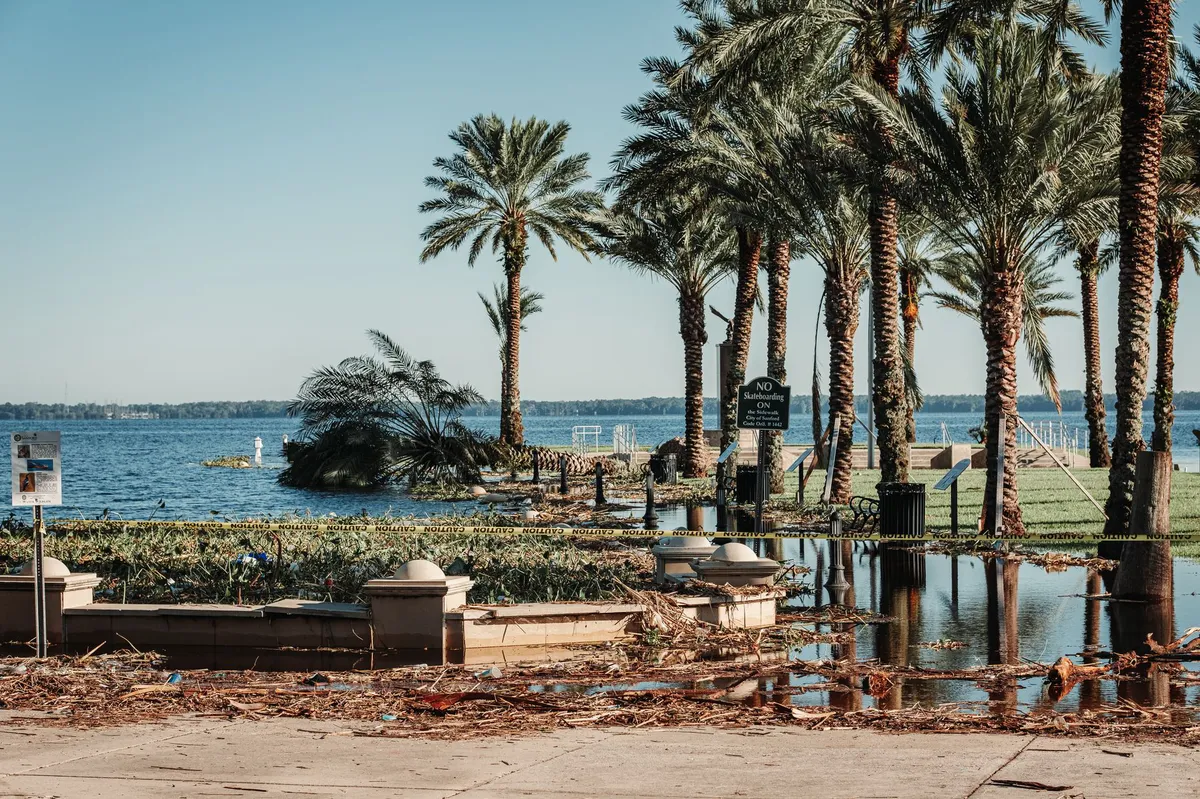
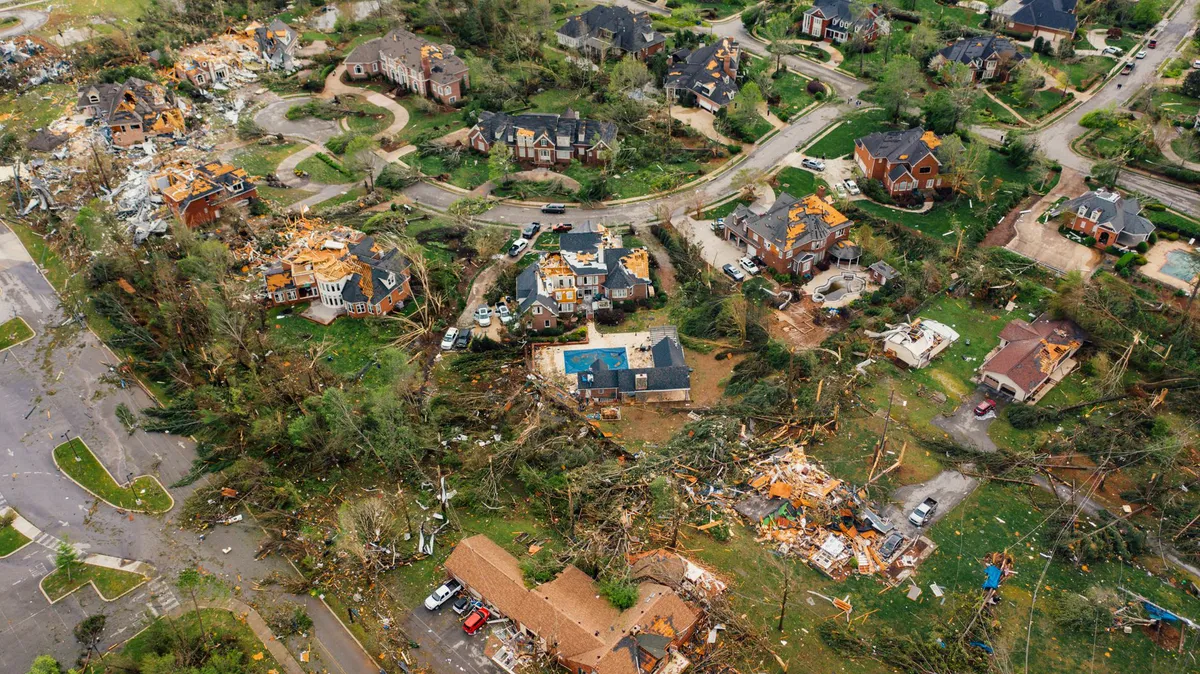
The impact of climate change is becoming increasingly evident, particularly in coastal cities where rising sea levels and extreme storms threaten the very fabric of daily life. In Florida, a state particularly susceptible to these challenges, innovative strategies are being developed to not just survive but thrive in the face of these environmental threats. A vivid reflection of this reality can be found in the story of Jeffrey Huber, who recalls the day Hurricane Andrew tore the roof off his childhood home. This pivotal moment, over three decades ago, ignited a lifelong commitment to enhancing urban resilience against increasingly frequent climate disasters.
Huber, now an accomplished landscape architect and professor, emphasizes that the discussion around climate resilience must extend beyond immediate response to storms. He notes that as extreme weather events become commonplace, the focus must shift toward long-term design solutions that address the aftermath of these events. With nearly 40% of the U.S. population residing in coastal counties, the stakes could not be higher. Florida stands as a model for developing adaptive responses to the dual threats of sea level rise and storm intensity.
Innovative Urban Design for Coastal Living
Florida's approach to adaptation involves a multifaceted strategy that connects infrastructure with urban design. As climate change accelerates, architects, planners, and policymakers are collaborating to create sustainable living environments that can withstand rising waters, heat extremes, and storm surges. Huber points out that in cities like Miami, the challenge is not merely to stop water from intruding but to learn how to coexist with it.
The Role of Living Seawalls
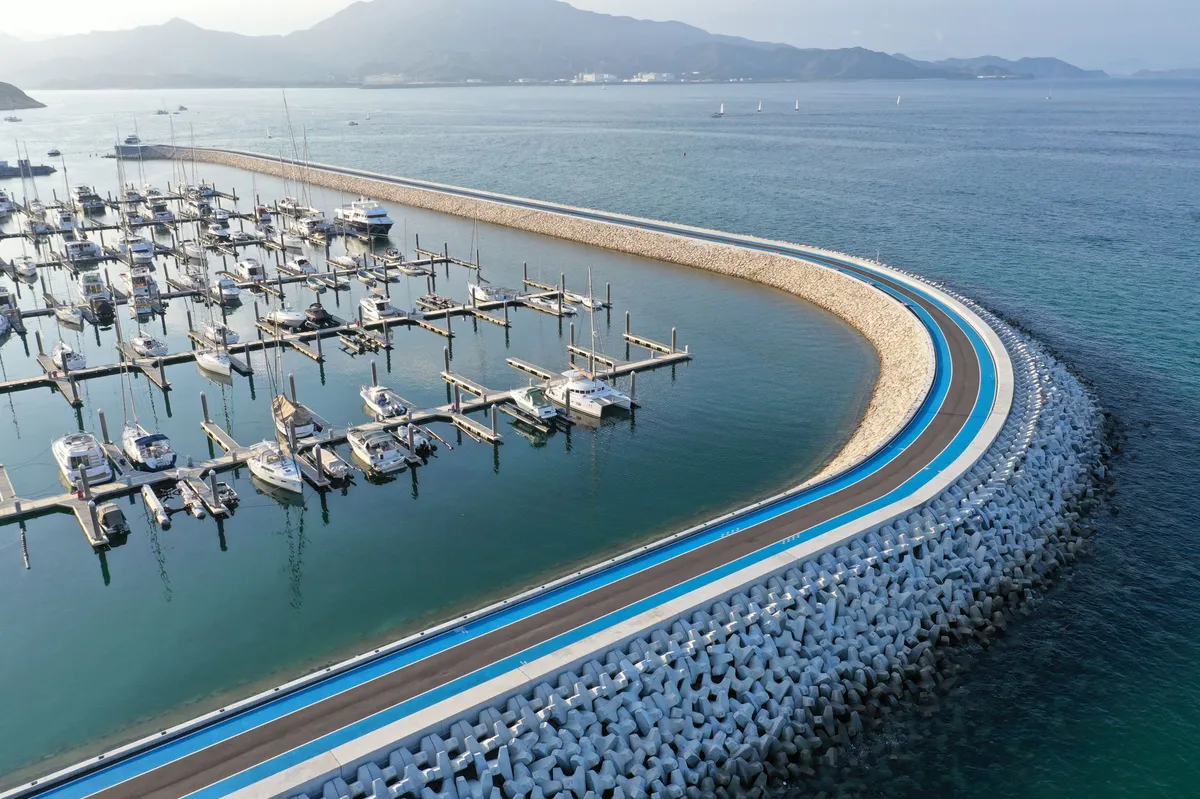
One pioneering solution emerging from Florida is the development of 3D-printed living seawalls. Anya Freeman, a former lawyer turned entrepreneur, founded Kind Designs to address the flooding issues plaguing Miami Beach. With the streets often inundated after rainstorms, Freeman's initiative aims to create affordable and adaptable seawalls that not only protect shorelines but also enhance marine habitats. The walls are designed to mimic natural coastal features—like mangroves—thereby attracting native species and dissipating wave energy effectively.
These seawalls have been shown to reduce more than 45% of wave energy, making them more resilient against overtopping and erosion compared to traditional flat seawalls. Since their inception, Kind Designs has installed 16 of these innovative structures across Florida, with plans to expand to California and New York. This approach is indicative of a broader trend in which environmental solutions are also seen as opportunities for ecological restoration.
Adaptive Housing Initiatives
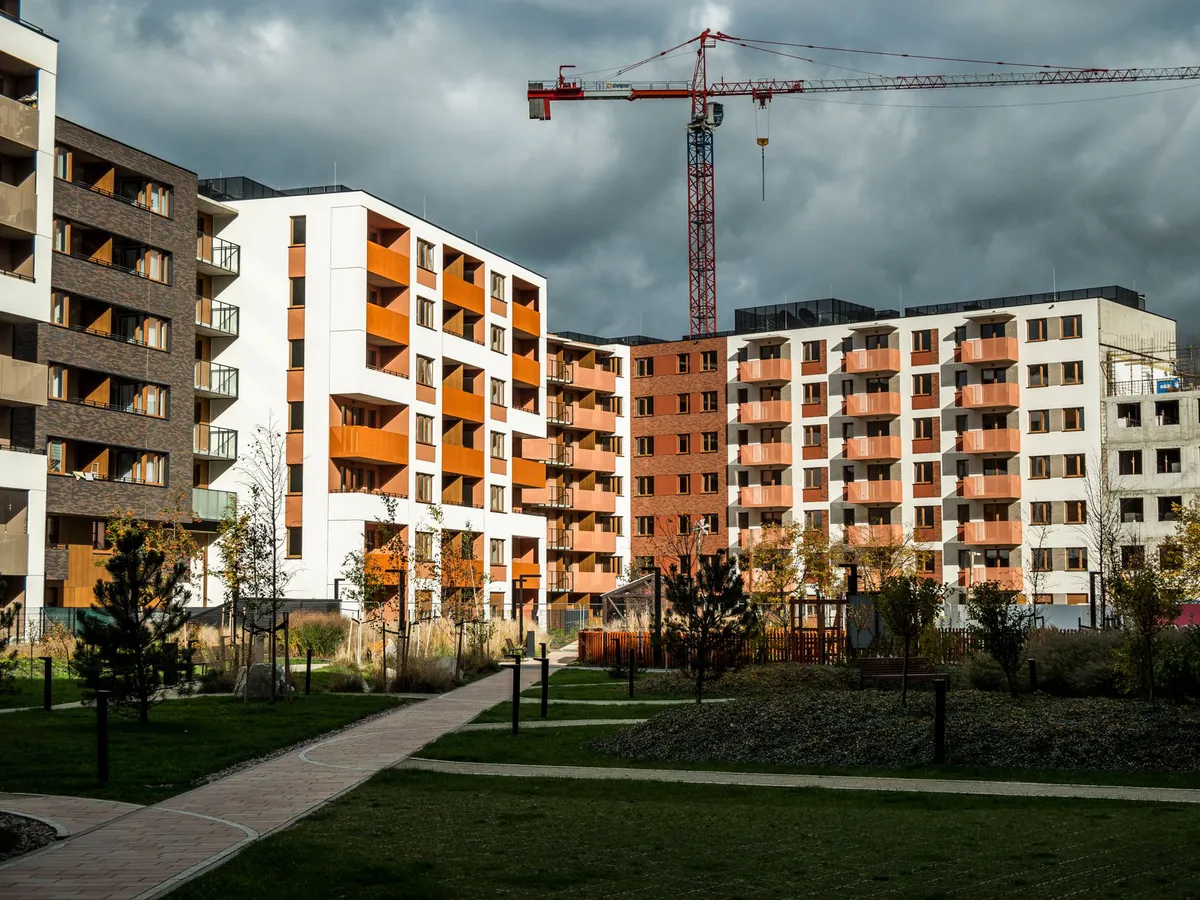
In addition to innovative seawalls, Florida is also reimagining the way residential buildings are designed to confront climate threats. The Vista Breeze affordable senior housing project in Miami Beach exemplifies this trend. Developed by the architectural firm Brooks Scarpa Huber, this complex is elevated 10 feet above sea level and engineered to withstand storm surges of up to 20 feet.
The construction utilizes a water-proof concrete mix and zinc-coated rebar to resist corrosion, ensuring longevity in a challenging environment. Moreover, the building’s orientation helps passively cool the interiors, while community spaces foster social interaction among residents. This project illustrates that climate-resilient design can be both functional and community-oriented, promoting well-being alongside safety.
Public Spaces as Flood Management Solutions
Beyond housing, Florida's urban planners are rethinking public spaces to serve dual purposes. For instance, DC Alexander Park in Fort Lauderdale transforms a former parking lot into a vibrant public area that also functions as flood infrastructure. The park features a native maritime forest that not only provides recreational opportunities but also absorbs rainfall and mitigates saltwater flooding.
These kinds of designs are rooted in the philosophy of “salty urbanism,” a term coined by Huber in his design manual published in 2024. This approach advocates for integrating climate resiliency into urban planning and acknowledges the need for multifunctional spaces that can withstand environmental pressures while enriching community life.
Overcoming Financial and Regulatory Challenges
Despite the promising developments in Florida, architects and urban planners face significant hurdles in implementing these innovative solutions. Funding remains a primary obstacle; large-scale climate-resilient projects require substantial financial resources to materialize. Aaron DeMayo, an architectural designer and urban planner, has been spearheading efforts to secure funding for regional resilience initiatives aimed at protecting Southern Florida from storm surges.
Additionally, the University of Miami’s Center for Urban and Community Design is working to address the financial barriers faced by lower-income communities. By establishing a community design fund, the center aims to identify impactful projects and collaborate with residents to develop solutions that enhance resilience. This initiative highlights the importance of inclusivity in climate adaptation, ensuring that all communities have access to the resources necessary for resilience.
Looking Toward a Resilient Future
The lessons learned from Florida's approach to climate adaptation are valuable not only for coastal cities but for urban centers across the globe. As Huber notes, the strategies developed in Miami are likely to become increasingly relevant as rising sea levels and extreme weather patterns affect more communities worldwide. The focus on designing for resilience rather than merely reacting to disasters reflects a paradigm shift in how urban planners and architects approach environmental challenges.
Ultimately, the collective vision for a resilient future requires collaboration among architects, policymakers, and community members. By fostering innovative designs and inclusive funding mechanisms, Florida is paving the way for a sustainable and adaptive urban landscape that can withstand the impacts of climate change.
Key Takeaways
- Coastal Vulnerability: Nearly 40% of the U.S. population resides in coastal counties, making them particularly susceptible to climate change impacts.
- Innovative Solutions: Initiatives like 3D-printed living seawalls and adaptive housing projects showcase Florida's forward-thinking approach to urban design.
- Public Spaces: Rethinking public areas as multifunctional spaces can help manage flooding while enhancing community engagement.
- Funding Challenges: Financial barriers remain a significant obstacle to implementing climate-resilient projects, particularly for low-income communities.
Frequently Asked Questions
What are living seawalls, and how do they work?
Living seawalls are innovative coastal protection structures designed to mimic natural environments. They are constructed using 3D-printed technology and materials that promote marine life, thereby creating habitats that attract native species. These seawalls not only protect shorelines from flooding and erosion but also enhance biodiversity by serving as homes for various marine organisms.
How can urban design contribute to climate resilience?
Urban design plays a crucial role in climate resilience by integrating sustainable practices into the built environment. This includes constructing buildings that can withstand extreme weather, creating public spaces that manage stormwater, and promoting community interaction. By designing with resilience in mind, cities can reduce vulnerability to climate impacts and enhance the quality of life for residents.
What challenges do communities face in implementing climate-resilient projects?
Communities often encounter several challenges, including funding shortages, regulatory barriers, and a lack of technical expertise. Financial constraints can hinder the development of large-scale projects, while regulatory frameworks may not always support innovative solutions. Additionally, community engagement is vital, as projects must reflect the needs and desires of residents to be successful.
How can other coastal cities learn from Florida's strategies?
Florida's adaptive strategies serve as a valuable roadmap for other coastal cities facing similar climate challenges. By prioritizing innovative design, community engagement, and inclusive funding mechanisms, other regions can develop tailored solutions that address their unique vulnerabilities. Collaboration among stakeholders—including architects, urban planners, and residents—is essential to creating effective resilience strategies.
This content is general information and not legal advice.
Comments
Tragic Sword Attack at Swedish School Claims Life of 17-Year-Old Girl
A sword attack at a school in Sweden resulted in the death of a 17-year-old girl and injuries to three others. The incident raises concerns about school safety and the increasing violence in educational institutions.

Related articles

Popular in Personal Injury
- Hawaii Supreme Court Overturns 36-Year-Old Rape Conviction Due to Forensic Flaws
- The Impact of Pro Bono Work by BigLaw Firms in 2025
- Albertsons Faces Trial Over Role in Washington's Opioid Crisis
- The Hidden Dangers of Open Manholes in New York City
- Historic $81 Million Verdict in Utah Pedestrian Wrongful Death Case