Ebola Outbreak in DRC: Fastest Growing Crisis with 600 Lives Lost
The Democratic Republic of Congo faces the most rapid spread of Ebola ever recorded, with over 1,700 confirmed cases and 600 fatalities. With no approved vaccine available, the health crisis continues to escalate amidst ongoing humanitarian challenges.

The Democratic Republic of Congo (DRC) is currently grappling with an unprecedented Ebola outbreak, described by health authorities as the "fastest growing" in history. Declared in mid-May, the outbreak has already resulted in over 1,700 confirmed cases and a staggering 600 deaths, a dire situation that has caught the attention of global health organizations and civil authorities alike. With the outbreak concentrated in the northeastern region, particularly in Ituri province, the response has been hampered by ongoing insecurity and fragile healthcare infrastructure.
As the World Health Organization (WHO) reported, the recent outbreak has surpassed previous records, including the deadliest outbreak in West Africa from 2013 to 2016, which witnessed 994 cases in the first six weeks. In stark contrast, the current outbreak has seen 1,596 cases in a similar timeframe, highlighting how quickly the virus can spread when left unchecked. Wessam Mankoula, head of emergency preparedness and response for the Africa Centers for Disease Control and Prevention (Africa CDC), emphasized, "Unfortunately, the virus is still ahead of our response. It’s moving faster than deploying the resources to control the situation." This sentiment underscores the urgency of the crisis.
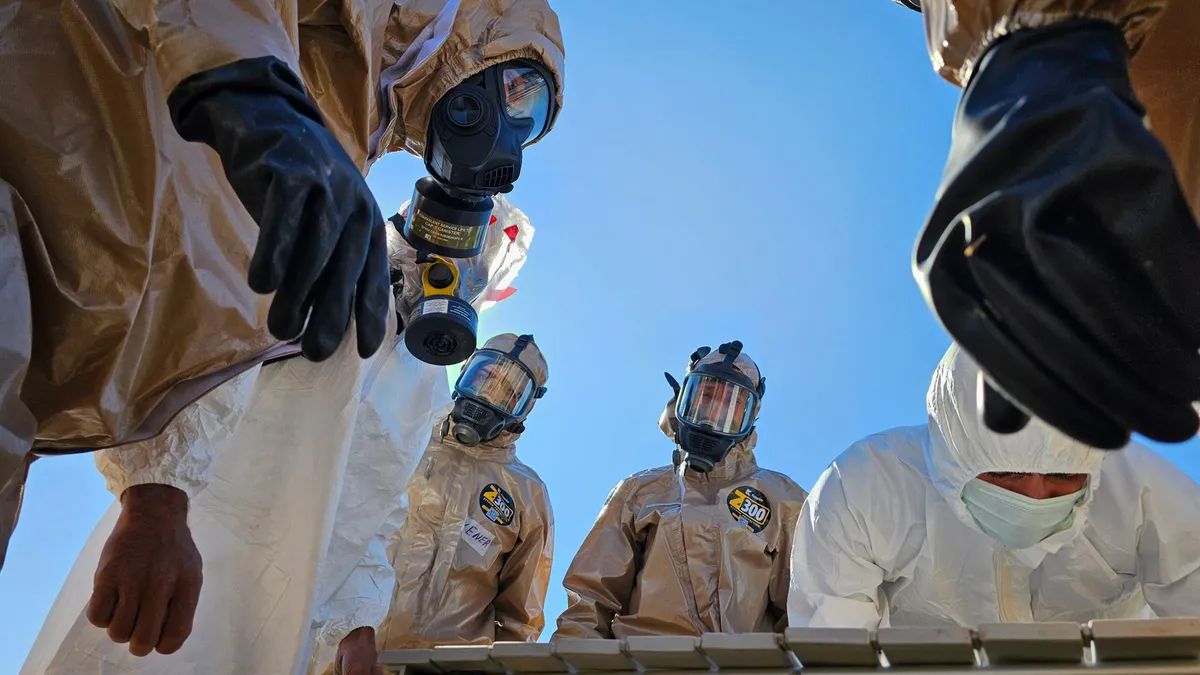
Understanding the Spread and Impact of Ebola
Ebola is a viral hemorrhagic fever that spreads through direct contact with the bodily fluids of infected individuals, making it particularly dangerous in densely populated areas or regions experiencing civil unrest. The current outbreak is attributed to the rare Bundibugyo species of the virus, which lacks any approved vaccine or effective treatment. As a result, the case fatality rate has reached a harrowing 34%, meaning that over a third of those infected are succumbing to the illness.
The DRC’s health authorities have reported a total of 285 recoveries, with 304 suspected cases still under investigation. The outbreak has primarily affected four provinces, but the epicenter remains in Ituri, a region plagued by armed conflicts and population displacements, further complicating containment and treatment efforts. The WHO's statistics reveal that the health system's fragility, exacerbated by ongoing violence and humanitarian needs, poses significant barriers to effective response.

Challenges in Containing the Outbreak
The WHO's representative in Congo, Anne Ancia, highlighted several ongoing challenges that hinder efforts to control the outbreak. These include:
- Population Movements: Continuous displacement due to violence impacts the ability to monitor and treat potential cases effectively.
- Healthcare System Fragility: The DRC's health system is under immense pressure, with many facilities lacking the resources needed to handle the outbreak.
- Competing Health Crises: Other diseases such as malaria and measles are also spreading, leading to increased strain on healthcare resources.
Currently, there are about 700 beds available across 22 treatment centers, operating at nearly full capacity. Plans to expand to an additional 300 beds are underway, but the situation remains critical. With more than 10,000 contacts of infected individuals under monitoring—at a follow-up rate of 82%—the WHO believes a follow-up rate of 95% is essential to effectively manage and control the outbreak.

Efforts to Combat the Crisis
In response to the outbreak, a clinical trial for two potential treatments for the Bundibugyo strain began on July 2. The trial evaluates the effectiveness of the monoclonal antibody MBP134 and the antiviral drug remdesivir, both of which are being tested individually and in combination. Improving access to effective treatment options is crucial, especially in the absence of an approved vaccine.
Despite these efforts, the WHO has requested $115 million to bolster its Ebola response, of which only 32% has been secured so far. The lack of funding poses a significant risk to the ongoing response, as more resources are urgently needed to enhance laboratory capacity and treatment infrastructure. The WHO has ramped up testing capabilities, increasing from 30 tests per day in Kinshasa to over 2,000 daily in decentralized laboratories within the affected regions.
The Broader Humanitarian Context
The ongoing humanitarian crisis in the DRC cannot be overlooked in the context of the Ebola outbreak. As Volker Turk, the U.N. rights chief, noted, the ongoing clashes between Congolese armed forces and the Rwanda-backed M23 group have exacerbated the situation, leading to further displacement and complicating relief efforts. Civilians are caught in the crossfire, facing substantial humanitarian needs, including access to food, healthcare, and protection from violence.
Anne Ancia has pointed out that the fragility of the health system, coupled with persistent insecurity, creates an environment where diseases can spread unchecked. The communities affected by the Ebola outbreak are also grappling with the consequences of other infectious diseases, which could further strain the already limited healthcare resources.
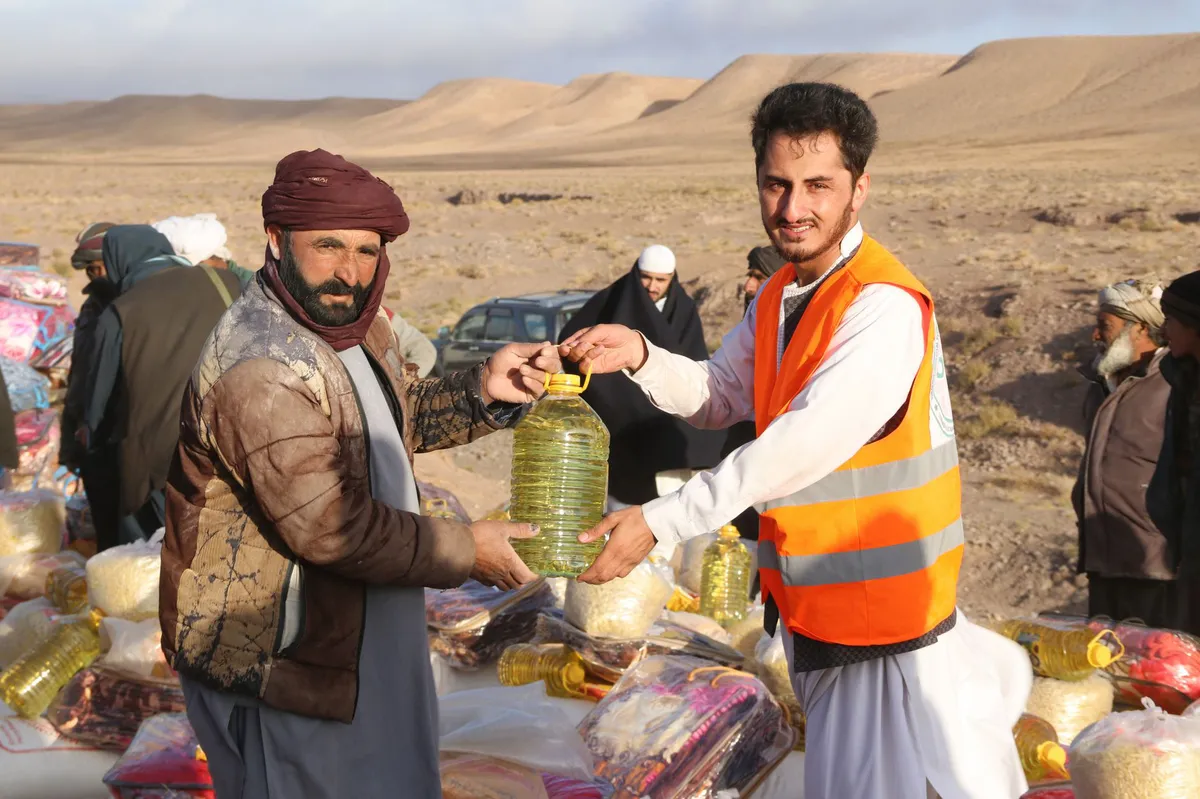
Key Takeaways
- The DRC's current Ebola outbreak is the fastest growing in history, with over 1,700 cases confirmed.
- A significant case fatality rate of 34% highlights the urgency for effective treatment options.
- Challenges include healthcare system fragility, ongoing violence, and competing health crises.
- Efforts to combat the outbreak face funding shortages; the WHO has only secured 32% of the requested $115 million.
- Testing capacity has increased significantly, though a follow-up rate of 95% is needed to effectively monitor contacts.
Frequently Asked Questions
What is Ebola and how does it spread?
Ebola is a viral hemorrhagic fever caused by infection with one of the Ebola virus species. It spreads through direct contact with bodily fluids of infected individuals, including blood, saliva, and vomit. The virus can be transmitted through contact with contaminated objects or surfaces, making it highly infectious in settings with poor sanitation and healthcare infrastructure.
What are the symptoms of Ebola?
Symptoms of Ebola typically appear 2 to 21 days after exposure and may include fever, severe headaches, muscle pain, fatigue, diarrhea, vomiting, abdominal pain, and unexplained bleeding or bruising. Due to the rapid progression of the disease, individuals exhibiting symptoms should seek medical attention immediately to reduce the risk of transmission and improve their chances of recovery.
How is the outbreak being managed?
Management of the outbreak involves a multi-faceted approach including contact tracing, treatment of infected individuals, public health education, and community engagement. WHO and local health authorities are monitoring contacts of confirmed cases and have ramped up testing capabilities. Treatment centers are being established and expanded to accommodate the growing number of cases, but funding remains a critical barrier to effective management.
What are the long-term implications of this outbreak?
The long-term implications of the current Ebola outbreak may include a strain on the DRC's already fragile healthcare system, increased humanitarian needs, and potential economic impacts due to disruptions in local communities. Efforts to control the outbreak must be prioritized to prevent further loss of life and to stabilize the affected regions, paving the way for recovery and rebuilding of health infrastructure.
This content is general information and not legal advice.
Comments
Understanding Bicycle Accident Settlements: Key Factors and Insights
Navigating the complexities of bicycle accident settlements can be daunting for injured cyclists. This article explores the factors influencing settlement amounts, what to consider when evaluating offers, and how to ensure fair compensation.

Related articles


Popular in Personal Injury
- Hawaii Supreme Court Overturns 36-Year-Old Rape Conviction Due to Forensic Flaws
- The Impact of Pro Bono Work by BigLaw Firms in 2025
- Albertsons Faces Trial Over Role in Washington's Opioid Crisis
- The Hidden Dangers of Open Manholes in New York City
- Historic $81 Million Verdict in Utah Pedestrian Wrongful Death Case