Inside the Investigation: The Case of Charlie Kirk's Fatal Shooting
The investigation into Charlie Kirk’s tragic shooting reveals a complex narrative involving law enforcement, legal proceedings, and the suspect's background. This article delves into the details of the case, the legal implications, and what it means for community safety.
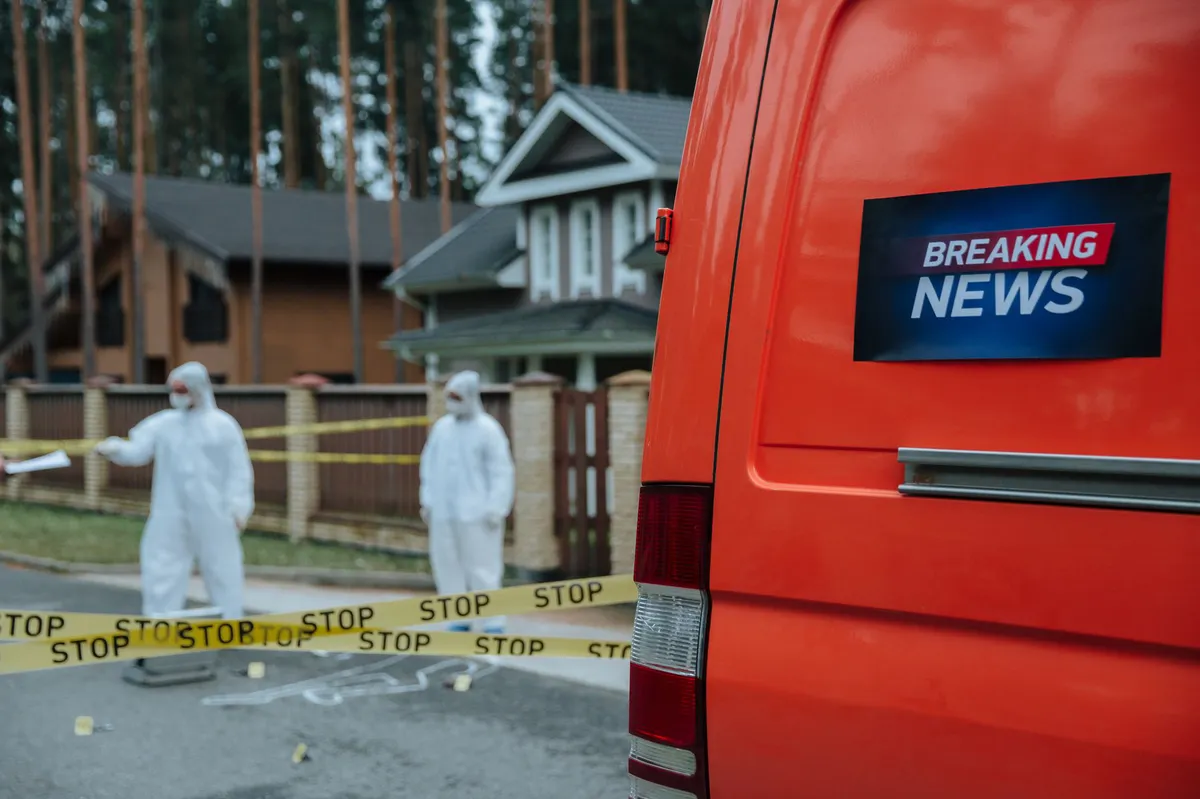
In the wake of tragedy, the intricacies of the legal system come to the forefront, often revealing more than just the events that transpired. The case of Charlie Kirk, a prominent conservative figure, who was fatally shot during a rally at Utah Valley University, has sparked a significant investigation that underscores the complexity of legal proceedings in homicide cases. As the investigation unfolds, it highlights the roles of law enforcement, legal representation, and the emotional toll on victims' families.
On September 11, 2025, the day following Kirk's shooting, Agent Brian Davis of the Utah State Bureau of Investigation received a pivotal call: a man had turned himself in. This moment marked the beginning of a legal saga that would captivate the nation. Davis testified about the subsequent hours spent at a command post, where he and other authorities coordinated their response to the grim incident, setting in motion a series of legal proceedings that would determine the fate of the suspect, Tyler Robinson.
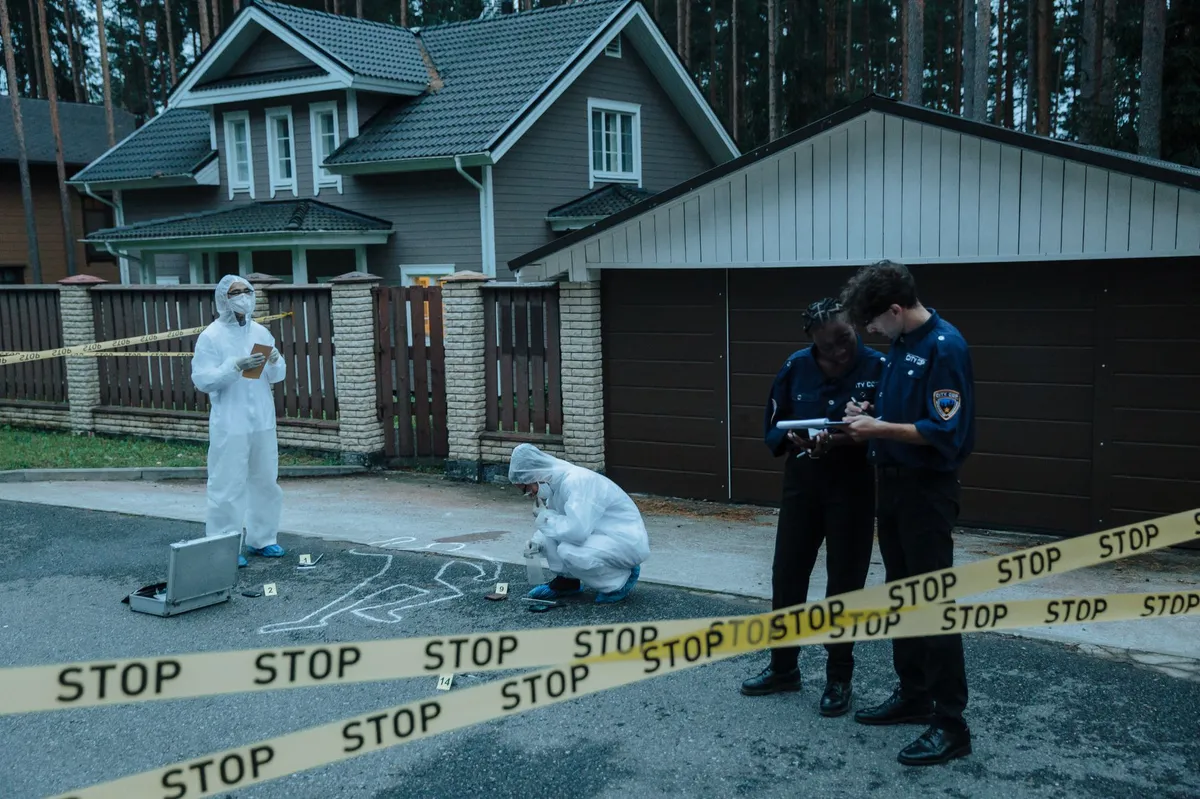
The Turning Point: The Surrender of Tyler Robinson
Tyler Robinson, the 23-year-old suspect, is currently facing the death penalty if convicted of Kirk’s murder. His surrender to law enforcement was facilitated by a family friend, illustrating a complex interplay of personal relationships and legal obligations. After turning himself in at the Washington County Sheriff’s Office, Robinson was formally arrested, and the investigation quickly escalated.
Details of the Arrest
Agent Davis provided testimony revealing the procedural steps taken immediately after Robinson's surrender. Officers conducted separate interviews with Robinson, his parents, and the family friend present during the surrender. This thorough approach reflects standard investigative protocols aimed at gathering comprehensive evidence while ensuring the rights of the suspect are protected.
By 4 a.m. on September 12, less than 48 hours after the shooting, Davis had completed the necessary paperwork to book Robinson into jail. At this stage, it became clear that the case would not only center around the act of violence but also the details leading up to and following the incident.

Evidence Gathering: The Search Warrant and DNA Samples
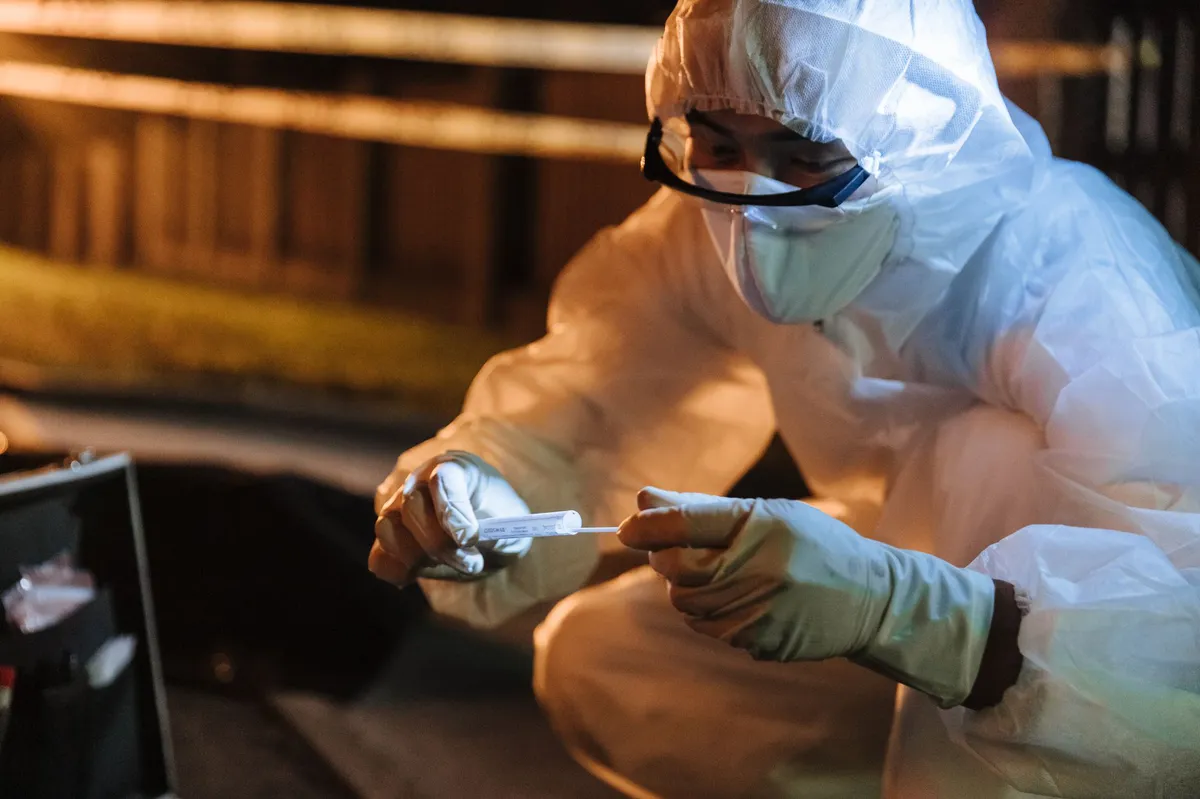
Following Robinson’s arrest, investigators sought search warrants for both his residence and that of his parents. This legal maneuver is essential in homicide investigations, as it allows authorities to gather physical evidence that may be critical to the case. During the search, DNA samples were collected from Robinson and his roommate, Lance Twiggs, who has also been brought into the investigation.
The Role of Immunity in Testimony
In a notable twist, Twiggs was granted immunity by state and federal authorities. This immunity, however, is limited; it protects Twiggs from prosecution based on statements made during his interviews but does not extend to evidence gathered outside of those conversations. This legal strategy highlights the delicate balance that law enforcement must maintain between obtaining useful testimony and ensuring that the rights of witnesses are upheld.
Critical Evidence: The Sniper's Pad and Ballistics
One of the most significant pieces of evidence presented so far is a .223-caliber bullet discovered on the roof of the computer science building at Utah Valley University. This bullet, which had not been fired, raises questions about the shooting methodology employed by Robinson. Prosecutors allege that Robinson used a sniper's pad on the roof of the Losee Center to shoot Kirk, who was addressing a crowd of thousands at the rally.
Video surveillance further complicates the narrative, capturing Robinson's movements on campus prior to the shooting. This evidence could prove pivotal in establishing motive and opportunity. In homicide cases, such circumstantial evidence often plays a crucial role in securing convictions.
Legal Proceedings: The Preliminary Hearing
As the case progresses through the legal system, it is currently at the preliminary hearing stage. This phase is critical as it allows the judge to determine if there is enough probable cause to proceed to trial. During this hearing, prosecutors have signaled their intent to call four witnesses, while the defense plans to call two, reflecting the adversarial nature of the legal process.
Defense Strategies and Challenges
The defense team is actively working to challenge the prosecution's evidence, raising questions about the credibility and reliability of witness testimonies. For instance, defense attorney Richard Novak has sought to redact a recorded interview with Twiggs, arguing that it could be misconstrued as a confession. This highlights a strategic approach often employed by defense attorneys to protect their clients from potentially damaging evidence.
Public Interest and Community Impact
The Charlie Kirk shooting case has generated substantial media coverage and public interest, particularly given Kirk's status as a political figure. The emotional impact on his widow, Erika, who has attended the court sessions, underscores the personal toll that such tragedies take on families. As the community grapples with the reality of this violent act, discussions surrounding gun control, political rhetoric, and public safety have gained renewed urgency.
Moreover, the legal implications of this case extend beyond the immediate parties involved. It raises questions about the adequacy of current laws regarding firearms and the responsibilities of individuals in a politically charged environment. The outcome of this case could influence future legislative measures aimed at addressing gun violence.
Key Takeaways
- The Case Overview: Tyler Robinson faces the death penalty for the murder of Charlie Kirk, who was shot during a rally.
- Legal Proceedings: The preliminary hearing is determining whether there is enough evidence to proceed to trial.
- Evidence Collection: DNA samples and search warrants have been critical in building the prosecution's case.
- Community Impact: The case has sparked discussions on gun control and political violence.
Frequently Asked Questions
What is the purpose of a preliminary hearing?
A preliminary hearing serves as a legal checkpoint where the judge evaluates whether sufficient evidence exists to proceed with a trial. This process is crucial for protecting defendants from unwarranted charges and ensuring that only cases with a solid evidentiary basis move forward.
How does immunity affect witness testimony?
Immunity allows witnesses to provide testimony without the fear of self-incrimination. However, it is essential to note that immunity can be limited, as seen in this case with Twiggs, where the protection does not extend to evidence gathered outside the witness's statements.
What are the implications of this case for gun control discussions?
This case has reignited debates surrounding gun control and safety measures, particularly in politically charged environments. The outcome could influence public sentiment and legislative action aimed at preventing similar incidents in the future.
How can the community support victims' families during such tragedies?
Community support can take many forms, including financial assistance, mental health resources, and public advocacy for changes in policy. Engaging in discussions about community safety and supporting organizations that promote peaceful discourse can also help.
This article provides general information and is not intended as legal advice.
Comments
Graham Platner Exits Senate Race Amid Sexual Assault Allegations
Graham Platner, a Senate candidate from Maine, has suspended his campaign following serious sexual assault allegations. The fallout raises critical questions about accountability and the impact on the political landscape.

Related articles

Popular in Personal Injury
- Hawaii Supreme Court Overturns 36-Year-Old Rape Conviction Due to Forensic Flaws
- The Impact of Pro Bono Work by BigLaw Firms in 2025
- Albertsons Faces Trial Over Role in Washington's Opioid Crisis
- The Hidden Dangers of Open Manholes in New York City
- Historic $81 Million Verdict in Utah Pedestrian Wrongful Death Case