Federal Judge Halts Wild Horse Relocation Plans in Northern California
A federal court has paused the Bureau of Land Management's plans to relocate hundreds of wild horses in Northern California, citing concerns over the agency's data and environmental impact assessments. The ruling highlights the ongoing tensions between wildlife protection and land management policies.
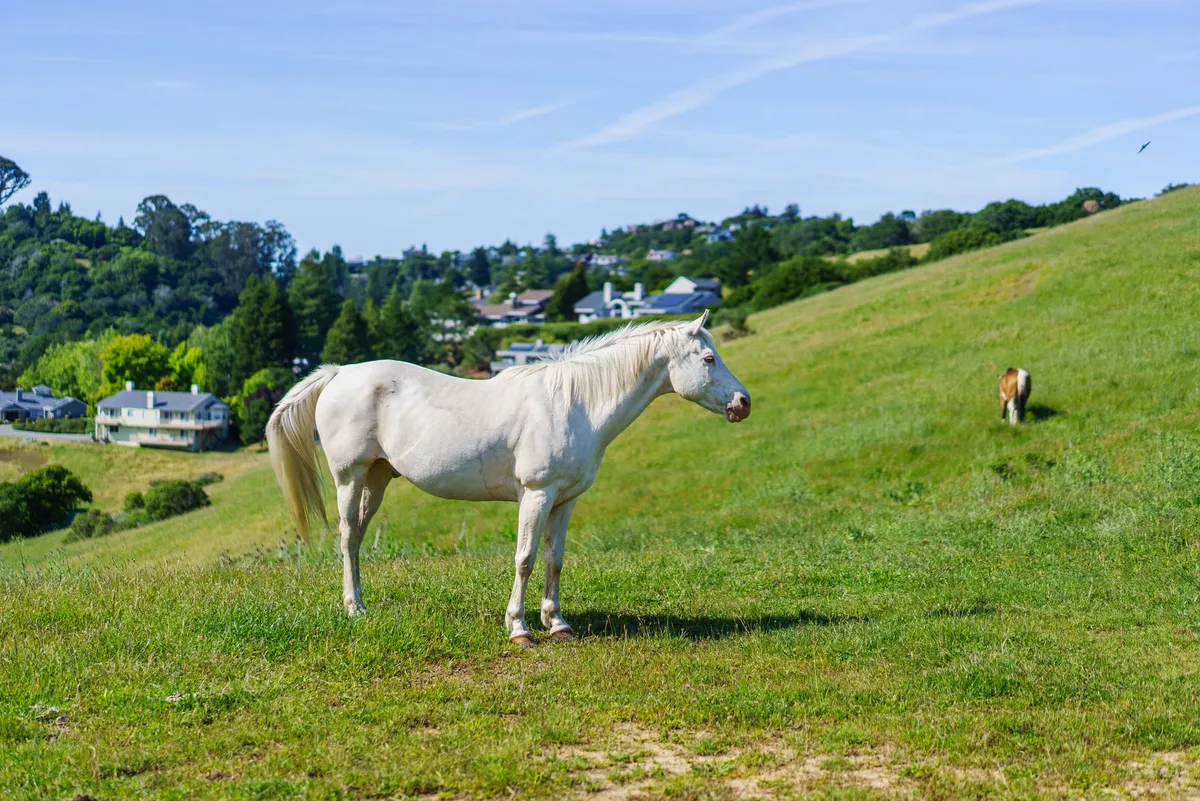
The majestic wild horses of Northern California, symbols of freedom and resilience, are once again at the center of a legal battle. In a significant ruling, U.S. District Judge William Shubb has paused the Bureau of Land Management's (BLM) plans to relocate hundreds of these wild horses from several herd management areas in Northern California and parts of Nevada. This decision not only raises questions about federal wildlife management practices but also underscores the necessity for robust data and thorough analysis in environmental decision-making.
The BLM's ambitious 2025 Gather Plan, which was set to commence this September, aimed to address the perceived overpopulation of wild horses. However, Judge Shubb's ruling indicates that the agency's approach may not comply with the Administrative Procedure Act (APA) or the Wild Free-Roaming Horses and Burros Act. The judge's findings reveal critical flaws in how the BLM assessed horse populations, emphasizing that their determinations were based on unsupported assumptions and inadequate historical data.
The Legal Framework Governing Wild Horses
Understanding the legal backdrop is essential to grasp the implications of this ruling. The Wild Free-Roaming Horses and Burros Act of 1971 serves as a protective measure for wild horse populations across the West. It mandates that the BLM maintain an up-to-date inventory of these animals to assess when and where population control measures may be necessary. The APA governs federal agencies' decision-making processes, ensuring that their actions are not arbitrary or capricious.
Judge Shubb's ruling particularly highlighted the BLM’s failure to consider actual growth rates of horse populations, which he deemed a critical oversight. The judge asserted, "Because BLM has failed to consider the actual growth rates of the horse populations at issue, the court must conclude that BLM has acted arbitrarily and capriciously in violation of the APA." This ruling could set a precedent for future cases involving wildlife management and how federal agencies justify their actions.

Conservationists and Government's Stance
The ruling is a victory for the coalition of conservation nonprofits and individual plaintiffs who challenged the BLM's plans. They argue that the removal of wild horses could have detrimental effects on the ecosystem and that the proposed methods lacked scientific backing. The BLM, on the other hand, contends that the presence of excess wild horses has adversely impacted both public and private lands, archaeological sites, and habitats for other wildlife. Their claim is that managing horse populations is necessary for ecological balance.
The BLM manages vast areas of land, and the specific herd management areas in question—the Carter Reservoir, Buckhorn, and Coppersmith areas—cover over 196,000 acres along the California-Nevada border. These areas have been contentious as the BLM must balance conservation efforts with land use for agriculture and other human activities. The agency's website states that removed wild horses are either made available for adoption or cared for in open pastures for the remainder of their lives.
Challenges to Other Wild Horse Management Plans
While the ruling in Shubb's court marks a significant moment for wild horse advocacy, not all legal challenges against BLM's horse management practices have fared well. On the same day as Shubb's decision, U.S. Magistrate Judge Chi Soo Kim denied a request for an emergency injunction related to the Montgomery Pass Wild Horse Territory. Plaintiffs in this case argued that the BLM was responsible for horses straying outside their designated territory due to insufficient water resources. However, Judge Kim found their new arguments unpersuasive, emphasizing that they had failed to present these points during prior hearings.
Additionally, U.S. District Judge Dale Drozd denied a temporary restraining order requested by the Utu Utu Gwaitu Paiute Tribe, which sought to halt the planned removals of horses in the Montgomery Pass area. The tribe argued that the BLM had not adequately consulted them, as required by the National Historic Preservation Act. Judge Drozd noted that the BLM had made outreach efforts, which the tribe had not engaged with effectively.
The Broader Implications of the Ruling
This ruling has broader implications for both wildlife management and federal agency accountability. The decision underscores the importance of scientific rigor in environmental assessments and the need for federal agencies to justify their actions based on reliable data. As public awareness grows around environmental issues, the expectation for transparency and accountability in government actions will likely increase.
Moreover, the ruling may inspire further legal challenges against federal land management policies, particularly in the context of wildlife conservation. As more individuals and organizations advocate for the protection of wild horses and their habitats, we may witness a shift in how the BLM and other agencies approach their responsibilities.
Key Takeaways
- Judge William Shubb halts BLM's wild horse removal plans due to inadequate data and potential violations of federal laws.
- The ruling emphasizes the importance of scientific assessment in wildlife management.
- Other legal challenges against BLM's management practices have met with less success.
- The outcome may influence future wildlife conservation efforts and federal accountability.
Frequently Asked Questions
What are the main reasons for the BLM's wild horse removal plans?
The Bureau of Land Management (BLM) argues that the wild horse populations in certain areas are exceeding the capacity of the land, leading to detrimental impacts on vegetation, archaeological sites, and habitats for other wildlife. They assert that managing these populations is necessary to maintain the ecological balance of the lands they oversee.
How does the Wild Free-Roaming Horses and Burros Act impact wild horse management?
Enacted in 1971, the Wild Free-Roaming Horses and Burros Act protects wild horse populations and mandates that the BLM maintain an accurate inventory of these animals. This law serves as a foundation for managing wild horse populations, requiring the BLM to assess when and where population control measures are needed based on scientific data and analysis.
What could be the consequences of the court ruling for future BLM actions?
The court ruling could lead to increased scrutiny of the BLM's decision-making processes, prompting the agency to adopt more rigorous scientific assessments before implementing population control measures. This may result in a more transparent and accountable approach to wildlife management, potentially influencing how other federal agencies operate in similar situations.
Can individuals or organizations challenge the BLM's decisions?
Yes, individuals and organizations can challenge the BLM's decisions through legal avenues. They may file lawsuits if they believe the BLM is not complying with federal laws or if they feel that the decisions made are arbitrary and lack sufficient scientific basis. As public awareness of environmental issues grows, we may see an increase in these types of legal challenges.
This article is for informational purposes only and should not be considered legal advice.
Comments
Understanding Bicycle Accident Settlements: Key Factors and Insights
Navigating the complexities of bicycle accident settlements can be daunting for injured cyclists. This article explores the factors influencing settlement amounts, what to consider when evaluating offers, and how to ensure fair compensation.

Related articles


Popular in Personal Injury
- Hawaii Supreme Court Overturns 36-Year-Old Rape Conviction Due to Forensic Flaws
- The Impact of Pro Bono Work by BigLaw Firms in 2025
- Albertsons Faces Trial Over Role in Washington's Opioid Crisis
- The Hidden Dangers of Open Manholes in New York City
- Historic $81 Million Verdict in Utah Pedestrian Wrongful Death Case