Challenging Jury Instructions: The Case of Tom Goldstein
Tom Goldstein, founder of SCOTUSblog, is seeking release from prison by contesting jury instructions. This case highlights the critical importance of clear legal guidance in jury trials.
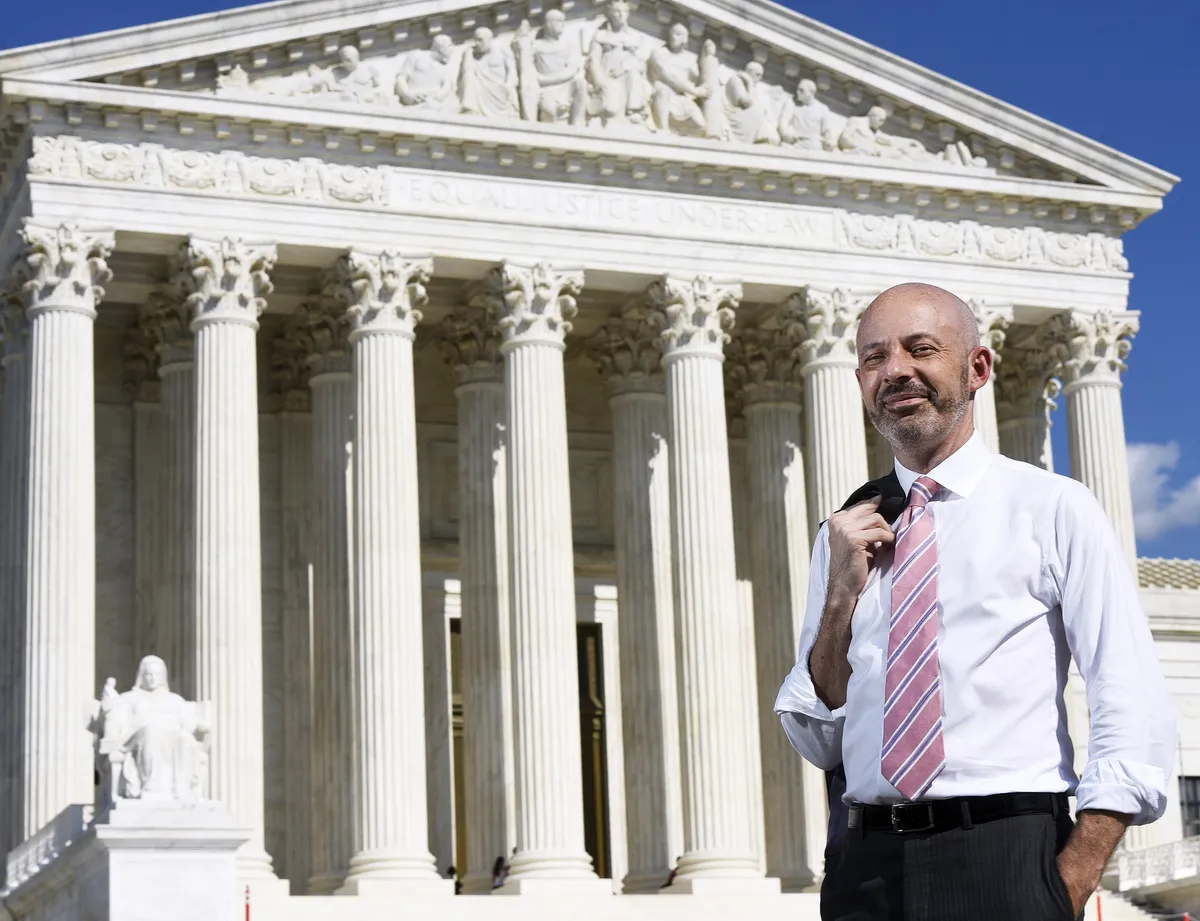
In the world of legal proceedings, the importance of clear and precise jury instructions cannot be overstated. These instructions serve as the backbone of a fair trial, guiding jurors in their deliberations and ensuring that they understand the law as it applies to the case at hand. Recently, the case of Tom Goldstein, the founder of SCOTUSblog, has brought this critical issue to the forefront. Goldstein's legal team is advocating for his release based on claims of inadequate jury instructions that may have compromised the fairness of his trial.
As the legal community watches closely, Goldstein's situation serves as a reminder of the profound implications that jury instructions can have on a defendant's right to a fair trial. Misinterpretations or ambiguities in these instructions can lead to wrongful convictions, making the pursuit of justice all the more challenging. In this article, we will delve into the details of Goldstein's case, the broader implications of jury instructions, and what this means for the legal system as a whole.
The Importance of Jury Instructions
Jury instructions are the guidelines provided by a judge to the jury before they begin deliberations. These instructions outline the legal standards that jurors must apply when evaluating evidence and making their decisions. Clear jury instructions are essential for several reasons:
- Clarity: They help jurors understand the law and its application to the case.
- Consistency: Uniform instructions ensure that jurors are on the same page regarding legal standards.
- Fairness: Properly articulated instructions protect the defendant's rights by ensuring that the jury does not misinterpret critical legal concepts.

Tom Goldstein's Case: Background
Tom Goldstein is a prominent figure in legal circles, having founded SCOTUSblog, which provides comprehensive coverage of the U.S. Supreme Court. His legal expertise and influence make his situation particularly noteworthy. Goldstein's legal team is now arguing that the jury instructions provided during his trial were flawed, leading to an unjust verdict. This argument centers on the idea that jurors were not given a clear understanding of key legal principles that should have guided their decision-making process.
The case has garnered attention not only because of Goldstein's status but also due to the potentially far-reaching implications for the judicial system. If the court finds that the jury instructions were indeed inadequate, it could set a precedent for how jury instructions are crafted and evaluated in future cases.
The Legal Framework Surrounding Jury Instructions
The law surrounding jury instructions is complex and varies by jurisdiction. Generally, jury instructions must be:
- Legally accurate: They must correctly state the law applicable to the case.
- Comprehensible: Jurors must be able to understand the instructions without confusion.
- Complete: All relevant legal concepts must be covered to avoid leaving jurors without necessary guidance.
The appellate courts often review jury instructions for errors, particularly when a party believes that the instructions contributed to an incorrect verdict. If errors are found, the court may reverse the verdict or order a new trial.

Implications of Flawed Jury Instructions
The impact of flawed jury instructions can be profound, affecting not only the case at hand but also the broader legal landscape. When jurors receive inadequate guidance, the risk of wrongful convictions increases, undermining public confidence in the judicial system. Furthermore, cases that hinge on ambiguous instructions can lead to prolonged legal battles, as parties may seek to appeal based on perceived injustices.
Additionally, the Goldstein case raises questions about the responsibility of legal professionals in ensuring that jury instructions are clear and correct. Judges, attorneys, and legal scholars must work together to refine the language and structure of jury instructions to minimize the potential for confusion and misinterpretation.
What Happens Next? The Appeal Process
The appeal process for Goldstein’s case will unfold in several stages. First, his legal team will need to present compelling arguments to the appellate court, demonstrating that the jury instructions contributed to an unfair trial. This may involve expert testimony regarding the clarity and effectiveness of the instructions provided.
If the appellate court agrees with Goldstein's team, it may order a new trial with properly constructed jury instructions. Alternatively, the court could uphold the original verdict, leaving Goldstein with limited options for recourse. The outcome of this appeal could have significant ramifications not only for Goldstein but also for the broader conversation surrounding jury instructions.

Key Takeaways
- Jury instructions are vital for ensuring a fair trial.
- Tom Goldstein's case highlights the importance of clarity in legal guidance.
- Flawed jury instructions can lead to wrongful convictions and undermine public trust.
- The appeal process can potentially rectify errors in jury instructions.
Frequently Asked Questions
What are jury instructions?
Jury instructions are guidelines provided by a judge to help jurors understand the law as it applies to a case. They outline the legal standards that jurors must follow when deliberating and making decisions based on the evidence presented during the trial.
How can flawed jury instructions affect a trial's outcome?
Flawed jury instructions can mislead jurors about the applicable law, leading them to make decisions that are not rooted in a proper understanding of legal principles. This can result in wrongful convictions or unjust acquittals, ultimately compromising the integrity of the judicial system.
What is the appeal process in cases involving jury instruction disputes?
The appeal process typically involves filing a notice of appeal with the appellate court, followed by the submission of legal briefs that argue why the original verdict should be overturned. The appellate court will review the case, focusing particularly on whether the jury instructions were adequate and legally sound.
What can be done to improve jury instructions?
To improve jury instructions, legal professionals can work toward simplifying language, ensuring clarity, and including all necessary legal concepts. Continuous training and collaboration among judges, attorneys, and legal scholars are essential for creating effective jury instructions that uphold the principles of justice.
This article is for informational purposes only and does not constitute legal advice.
Comments
Navigating Family Law: Revisiting Legal Documents Post-Divorce or Death
Divorce, remarriage, or the death of a loved one often necessitates a thorough review of legal documents to ensure they reflect current family dynamics. This article explores why these changes can create conflicting legal instructions and offers guidance on how to navigate the complexities of estate planning and family law.

Related articles






Popular in Personal Injury
- Hawaii Supreme Court Overturns 36-Year-Old Rape Conviction Due to Forensic Flaws
- The Impact of Pro Bono Work by BigLaw Firms in 2025
- Albertsons Faces Trial Over Role in Washington's Opioid Crisis
- The Hidden Dangers of Open Manholes in New York City
- Historic $81 Million Verdict in Utah Pedestrian Wrongful Death Case