10th Circuit Rethinks Burden of Proof for Native Status in Tribal Crimes
The 10th Circuit Court is reassessing the burden of proof concerning Native American identity in criminal cases on tribal land, a critical issue that could reshape legal precedents and tribal sovereignty.
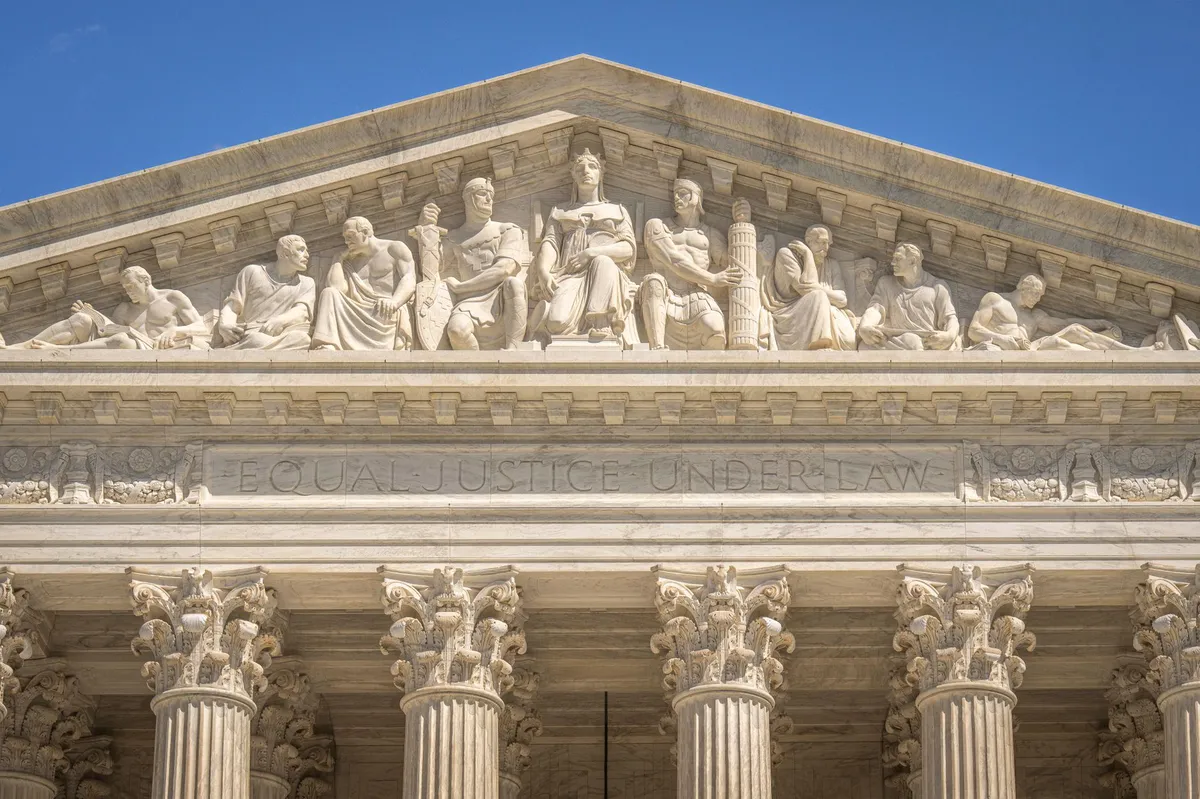
The legal landscape surrounding crimes committed on Native American reservations is marked by complex jurisdictional issues, particularly regarding who bears the burden of proof in establishing a defendant's Native status. In a recent ruling by the 10th Circuit Court of Appeals, the case of Dennis Herbert has brought this issue to the forefront, raising questions about the implications for justice and tribal sovereignty in the United States.
Herbert, who was convicted of sexually abusing a child on land belonging to the Choctaw Nation, did not testify about his Native American heritage during his trial. Law enforcement officials indicated that he was not recognized as a member of the tribe, yet the court ultimately found that federal prosecutors had not met their burden of proving he was not of Native descent. This decision has significant ramifications for how tribal crimes are prosecuted and who is responsible for proving a defendant’s identity.
Understanding the Legal Framework
The legal framework for prosecuting crimes on tribal lands is governed by a series of federal statutes, notably the General Crimes Act of 1817 and the Major Crimes Act of 1885. The General Crimes Act extended federal jurisdiction over certain crimes on reservations, except for those involving Native Americans, which remained under tribal jurisdiction. However, the Major Crimes Act carved out exceptions for specific serious offenses, allowing federal authorities to prosecute crimes like aggravated sexual abuse even when Native Americans are involved.
The Burden of Proof Dilemma
In the recent Herbert case, the crux of the matter lies in the burden of proof regarding a defendant's Native status. Traditionally, the prosecution must prove that a crime falls under federal jurisdiction, which requires establishing that the defendant is not Native American. This is a significant shift from many legal precedents that placed the onus on the defendant to assert their tribal affiliation as a defense.
- Federal Jurisdiction: Established by statutes like the Major Crimes Act, allowing federal prosecution for specific crimes.
- Burden of Proof: The prosecution must prove a defendant is not Native American in cases involving federal jurisdiction.
- Tribal Sovereignty: Maintaining the rights and governance of tribal nations in legal matters.
Herbert's federal public defender argued that this burden should rest with the government, as it can be difficult for defendants to provide genealogical evidence of their heritage, especially under the threat of criminal charges. Judge Robert Bacharach noted that a defendant's Fifth Amendment rights could be compromised if they are forced to disclose their Native status, thereby potentially incriminating themselves.
Implications for Tribal Sovereignty
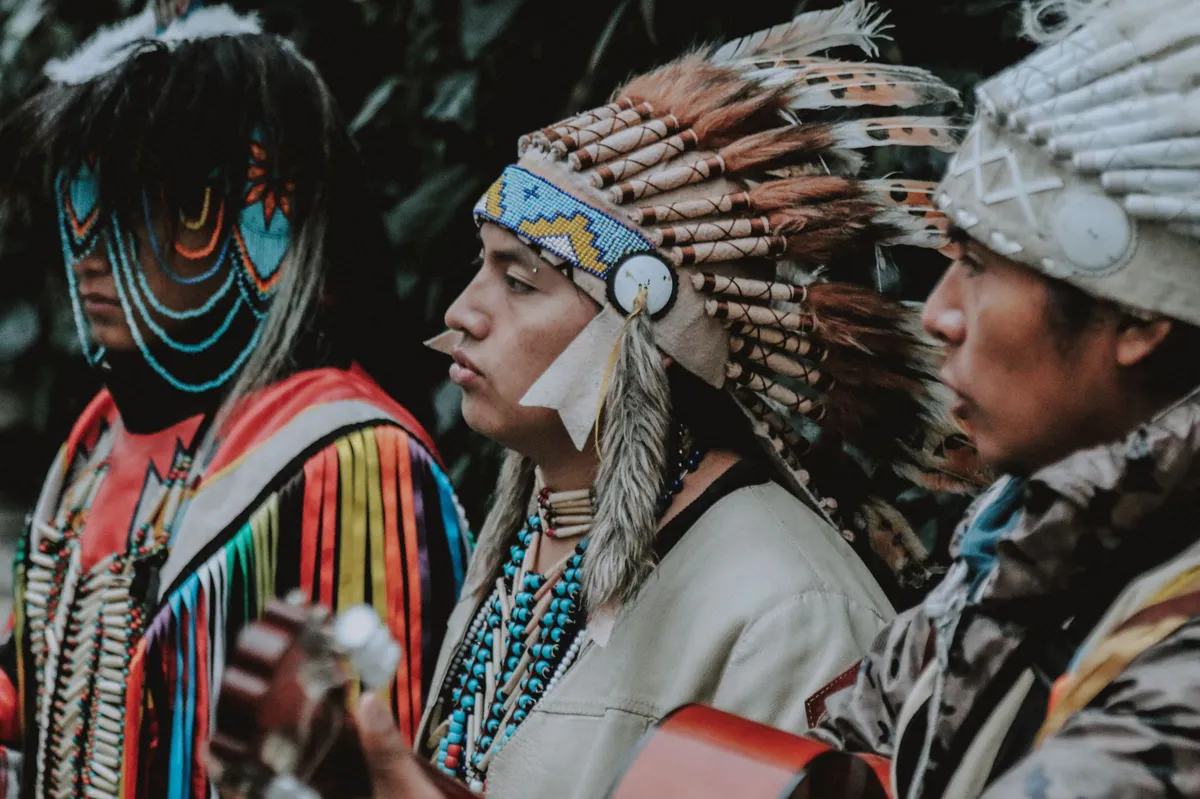
Tribal sovereignty is a key element in discussions about jurisdiction on Native lands. The 10th Circuit’s ruling highlights a tension between federal authority and the rights of tribal nations to govern themselves. U.S. Attorney Paige Messec emphasized the need for the court to reconsider the established rules that many believe undermine victims' rights and the ability of federal authorities to prosecute crimes effectively on tribal lands.
The Role of Historical Context
Understanding the historical context of these laws is essential. The General Crimes Act and the Major Crimes Act were enacted during a time of significant upheaval in U.S.-tribal relations, reflecting a paternalistic approach to Native governance. As tribal nations continue to assert their rights and autonomy, the legal definitions and frameworks governing crimes on their lands are increasingly scrutinized. The ongoing debate about the burden of proof in criminal cases on reservations is a reflection of broader societal issues regarding justice and equity for Indigenous peoples.
Recent Legal Developments and Future Considerations
In addition to Herbert's case, the 10th Circuit has also vacated the conviction of Joel Ruiz, another individual convicted under similar circumstances. Ruiz's conviction for aggravated sexual abuse on the Jicarilla Apache Nation Reservation was also overturned because the prosecution failed to prove beyond a reasonable doubt that he was not Native American. This trend of overturning convictions based on the burden of proof regarding Native status has raised alarms about how these legal standards are applied and interpreted.
Calls for Clarification
Legal experts and advocates are now calling for clarification from the 10th Circuit on the issue of who holds the burden of proof in these cases. As the court weighs its decision, both prosecutors and defense attorneys are keenly aware of the implications that could arise from a ruling that either reinforces or changes the existing legal precedent. The outcome could significantly affect how crimes are prosecuted on tribal lands and the rights of Indigenous peoples within the U.S. legal system.
Key Takeaways
- The 10th Circuit is revisiting the burden of proof for establishing Native status in tribal crime cases.
- Historical laws like the General Crimes Act and the Major Crimes Act create complex jurisdictional challenges.
- Tribal sovereignty remains a critical issue in debates about legal jurisdiction on reservations.
- Recent rulings have overturned prior convictions, highlighting the need for clarity in the law.

Frequently Asked Questions
What is the significance of the burden of proof in tribal criminal cases?
The burden of proof determines which party is responsible for providing evidence in a legal case. In tribal criminal cases, particularly those involving Native American defendants, the question of who must prove Native status can significantly impact the outcome of a trial. If the burden rests on the prosecution, they must provide sufficient evidence to show the defendant is not Native American, which can be challenging given the complexities of proving genealogical heritage.
How do historical laws affect current legal practices on tribal land?
Historical laws like the General Crimes Act and the Major Crimes Act were established at a time when the U.S. government sought to exert control over Native American populations and their lands. These laws create a framework for how crimes are prosecuted on reservations, but they also reflect the ongoing tension between federal authority and tribal sovereignty. As societies evolve and tribal nations assert their rights, these historical laws are increasingly scrutinized and challenged in court.
What are the potential consequences of the 10th Circuit's ruling?
The consequences of the 10th Circuit's ruling could be far-reaching, particularly for the prosecution of crimes on tribal lands. If the court decides that the burden of proof rests with the prosecution to establish a defendant’s non-Native status, it may lead to fewer convictions for crimes committed on reservations. This shift could also enhance the rights of Indigenous defendants while raising concerns about the ability of federal authorities to effectively prosecute crimes that occur in tribal jurisdictions.
Comments
Eric L. Simpson Joins Kidney Foundation Board to Combat Chronic Kidney Disease
Eric L. Simpson's recent appointment to the Kidney Foundation of Northwest Ohio's Board of Directors marks a significant step in enhancing support for those affected by chronic kidney disease. His personal experience and professional expertise will guide the foundation's strategic initiatives aimed at improving patient care and awareness.

Related articles



Popular in Personal Injury
- Hawaii Supreme Court Overturns 36-Year-Old Rape Conviction Due to Forensic Flaws
- The Impact of Pro Bono Work by BigLaw Firms in 2025
- Albertsons Faces Trial Over Role in Washington's Opioid Crisis
- The Hidden Dangers of Open Manholes in New York City
- Historic $81 Million Verdict in Utah Pedestrian Wrongful Death Case