California's New Law: Fines for Undisclosed Political Influencer Posts
California is considering new regulations that could penalize content creators for failing to disclose paid political endorsements. As campaigns increasingly leverage influencers, this law aims to enhance transparency and voter awareness.
As the political landscape evolves, so too does the way candidates communicate with voters. In an era dominated by social media, influencers hold significant sway over public opinion, particularly among younger demographics. California’s latest legislative move to regulate this burgeoning influence comes in response to a growing concern: how transparent are these influencers when they advocate for political candidates? The state is seeking to crack down on undisclosed political endorsements, proposing fines for content creators who neglect to disclose payment for their posts.
In a notable example, Los Angeles-based influencer Shaka Smith recently leveraged his platform of over 700,000 followers to promote gubernatorial candidate Tom Steyer. However, unlike many of his peers, Smith began his post with a clear disclaimer, stating, “This is an ad,” and specifying that he was compensated by Steyer’s campaign. This transparency is becoming increasingly rare in a landscape where many influencers have been accused of promoting political messages without adequately disclosing their financial ties.

The Rise of Influencer Marketing in Politics
Campaigns are increasingly turning to influencers, not just celebrities, to reach tailored audiences. This shift reflects a broader trend where politicians seek to connect with voters on platforms where traditional media may not have as much resonance. As Mike Nellis, a Democratic strategist, points out, if presidential candidates are not actively engaging with these influencers, they risk falling behind in voter outreach efforts.
Shifting Dynamics in Political Campaigning
Historically, political campaigns have relied on well-known figures to sway public opinion. However, the rise of social media has democratized this influence, enabling smaller creators to impact political discourse significantly. For instance, influencers with fewer than 100,000 followers are now sought after for their ability to connect with niche audiences. This trend raises critical questions about the ethical responsibility of these creators to disclose their financial relationships with political entities.

California's Legislative Response
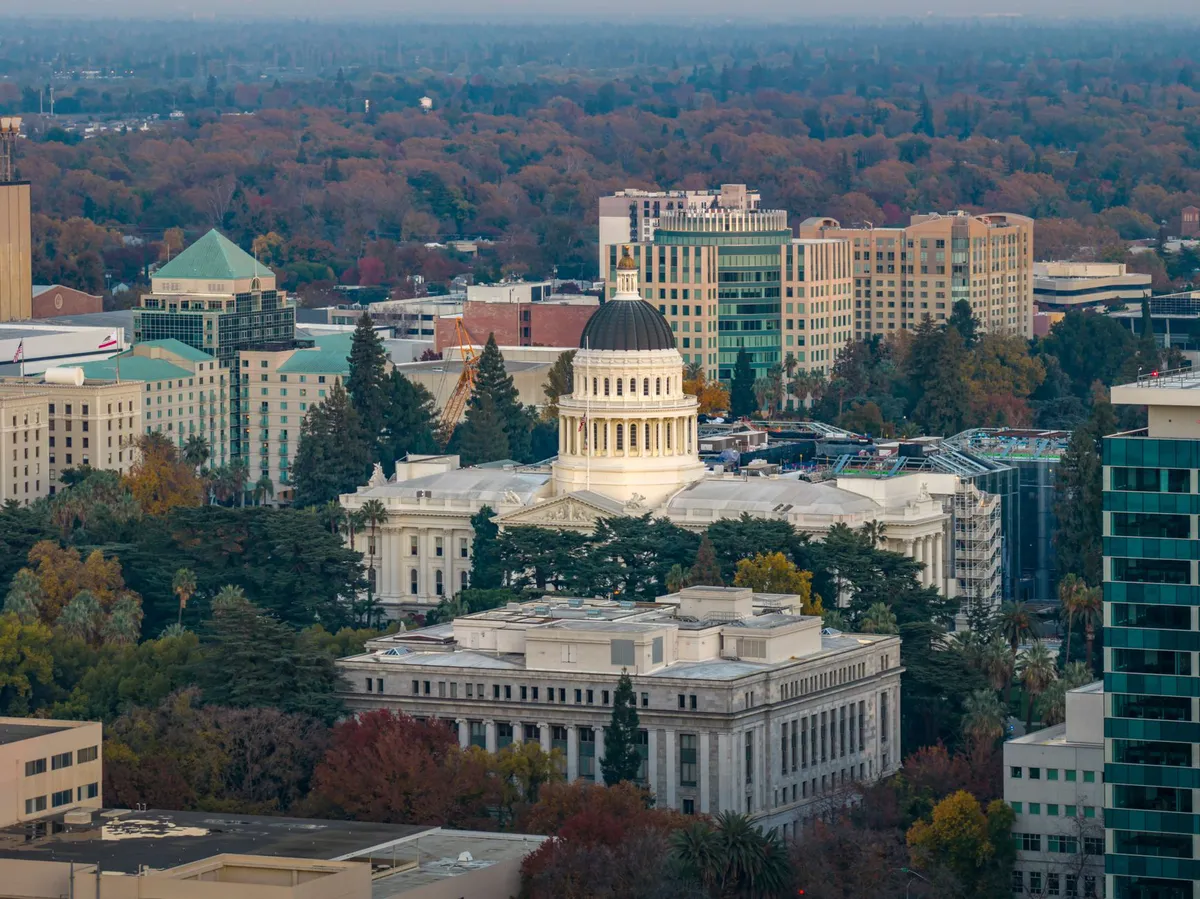
In response to concerns about transparency, California has enacted laws requiring influencers to disclose when they have been compensated for political endorsements. While California is one of only two states with these regulations, enforcement remains a challenge. Existing laws provide vague guidelines and rely heavily on the state’s campaign watchdog, which can take months to act on violations.
New Bill to Impose Fines
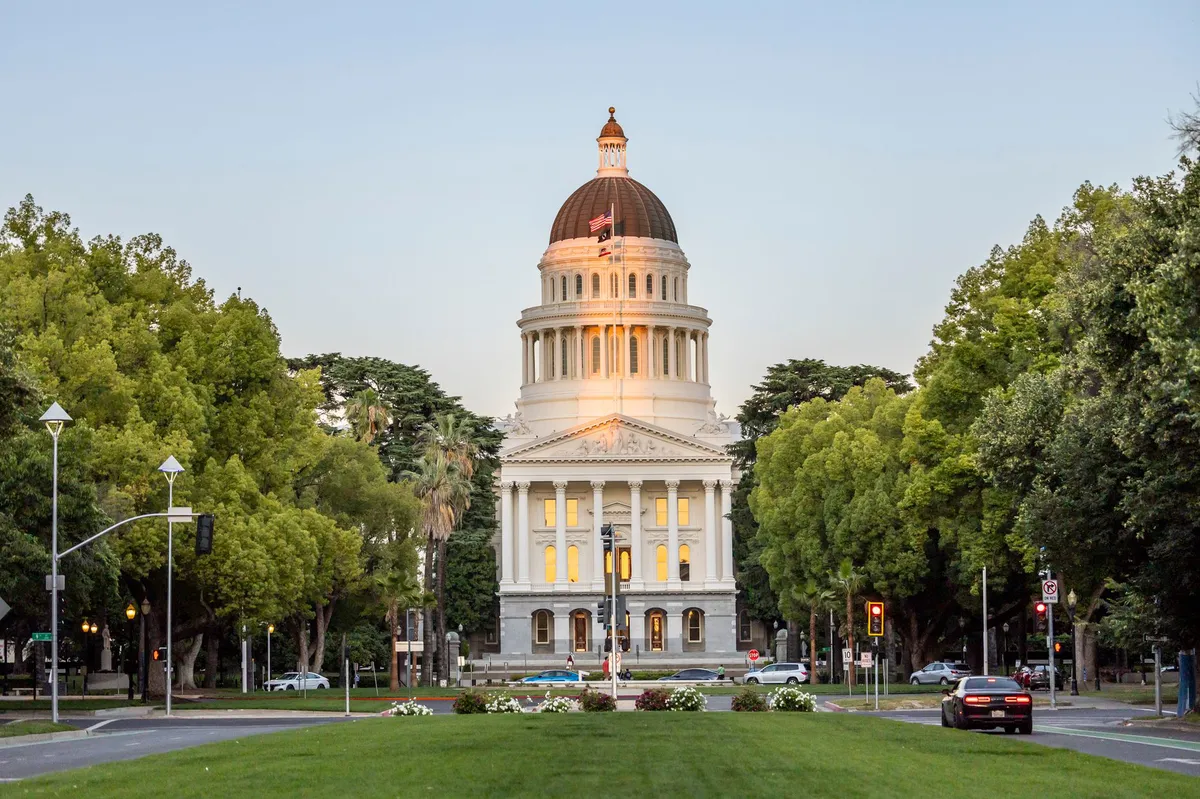
To address enforcement issues, Democratic Assemblymember Marc Berman has introduced legislation that would empower the state’s Fair Political Practices Commission to impose fines directly on influencers and political committees for non-compliance. Under this proposed bill, violators could face fines of up to $5,000 per infraction. Berman emphasizes the importance of voter awareness regarding the financial motivations behind political messaging, stating, “Voters should have a right to know whether or not campaigns are paying for the messaging that they’re seeing.”
The Broader Implications of Disclosure Laws
The ramifications of these proposed regulations extend beyond California. States like Texas have also adopted similar rules, while New York is considering its own legislation to require disclosure from content creators. These efforts reflect a growing acknowledgment that social media influencers play a pivotal role in shaping political narratives. However, not all creators view these regulations positively.
Concerns from Content Creators
Influencers such as Dustin Torreverde from Southern California express concern that the proposed penalties could disproportionately affect smaller creators who are striving to build their careers. He argues that the financial burden of legal defenses against potential fines could stifle creativity and innovation among emerging influencers. Contrarily, others, like Adina Flores, support the push for transparency, arguing that disclosure is essential for maintaining the integrity of political discourse.
- Transparency in Political Endorsements: The need for influencers to disclose paid partnerships is becoming increasingly recognized as crucial to informing voters.
- State vs. Federal Regulation: California’s and Texas’ initiatives may set precedents for federal regulations in the future.
- Impact on Small Creators: Smaller influencers express concern that compliance with new rules could impose an unfair burden on them.
Key Takeaways
- California is proposing fines for influencers who fail to disclose compensation for political endorsements.
- The legislation aims to enhance transparency and protect voter awareness.
- While some creators support the regulations, others fear it may hinder small influencers’ careers.
Frequently Asked Questions
What are the potential penalties for influencers who fail to disclose paid political endorsements in California?
If the new legislation is passed, influencers who do not disclose their paid partnerships could face fines of up to $5,000 per violation. This measure allows California’s Fair Political Practices Commission to impose penalties without going through lengthy court proceedings, streamlining the enforcement process.
How do these regulations compare to federal laws regarding political advertising?
Currently, there are no federal disclosure rules specifically targeting influencers in political advertising. While California has taken the lead in establishing state-level regulations, federal legislation is still in its infancy. Senator Adam Schiff has introduced a bill at the federal level, but it has yet to be voted on. Advocates for transparency hope that state initiatives will catalyze federal guidelines.
What should influencers do to comply with these new regulations?
Influencers in California should ensure they include clear disclosures in any political content they create, indicating whether they have been compensated for their endorsements. This may involve stating explicitly in their posts that they received payment from a campaign and encouraging transparency to maintain the trust of their audiences.
How will these laws affect the future of political campaigning?
The introduction of disclosure laws could fundamentally change the way political campaigns utilize influencers. As transparency becomes a focal point, campaigns may need to reconsider their strategies and ensure that their partnerships with influencers are clearly communicated to the public. This shift could lead to a more informed electorate and potentially reshape the dynamics of political engagement on social media.
Disclaimer: This article is for informational purposes only and does not constitute legal advice.
Comments
Popular in Personal Injury
- Hawaii Supreme Court Overturns 36-Year-Old Rape Conviction Due to Forensic Flaws
- The Impact of Pro Bono Work by BigLaw Firms in 2025
- Albertsons Faces Trial Over Role in Washington's Opioid Crisis
- The Hidden Dangers of Open Manholes in New York City
- Historic $81 Million Verdict in Utah Pedestrian Wrongful Death Case