Judge Dismisses Homeowners' Claims in Navy Shipyard Cleanup Case
A federal judge ruled that Tetra Tech, a contractor for the U.S. Navy, is immune from claims over alleged fraud in the cleanup of the Hunters Point Naval Shipyard, affecting many homeowners. The ruling highlights the complexities of liability under the Price-Anderson Act and the challenges faced by residents seeking justice.
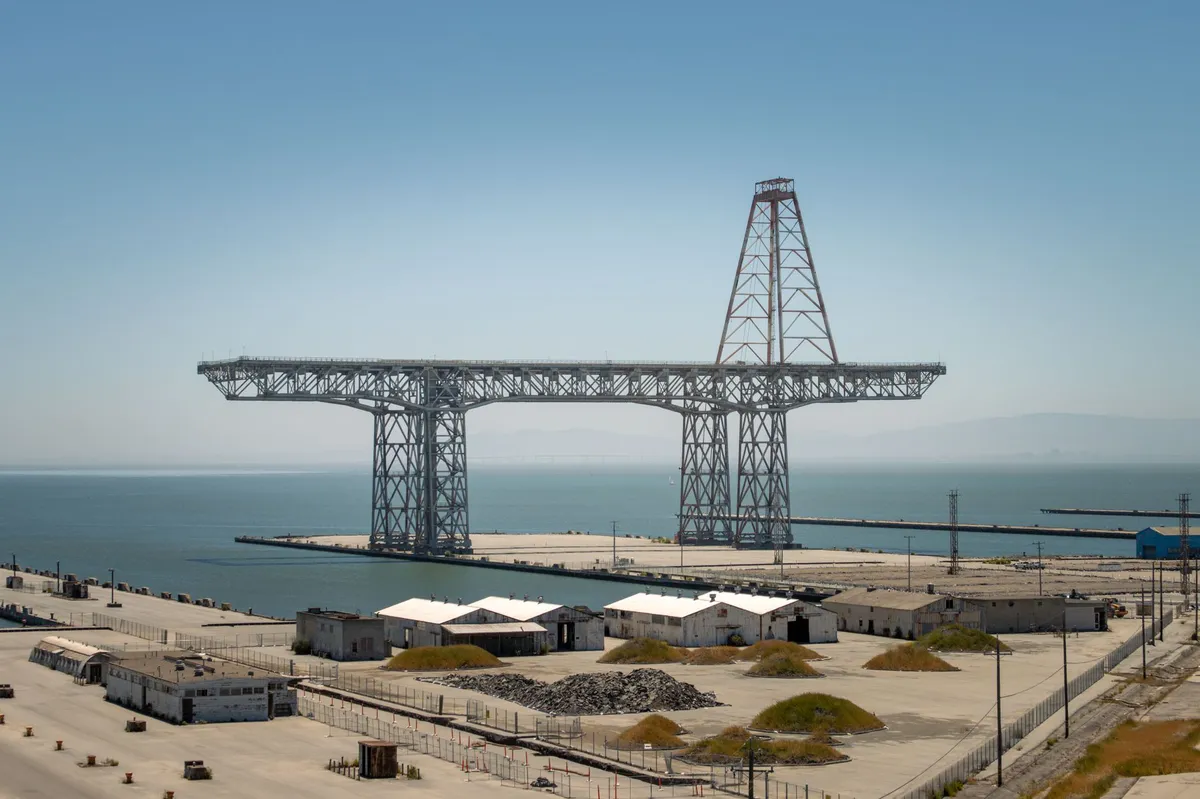
In a significant legal decision, U.S. District Judge James Donato ruled that Tetra Tech, a contractor responsible for cleaning up the Hunters Point Naval Shipyard, is immune from claims brought by homeowners alleging fraud related to the site’s radioactive cleanup. This ruling has profound implications for the affected residents, many of whom have suffered financial losses and health concerns linked to the alleged mishandling of hazardous materials.
The case illustrates the intricate relationship between federal laws governing nuclear liability and the rights of local homeowners, exposing a troubling dynamic where environmental wrongdoings may leave victims without legal recourse. As homeowners grapple with the fallout from this decision, the case underlines the vital need for transparency and accountability in environmental remediation efforts.
Background on the Hunters Point Naval Shipyard
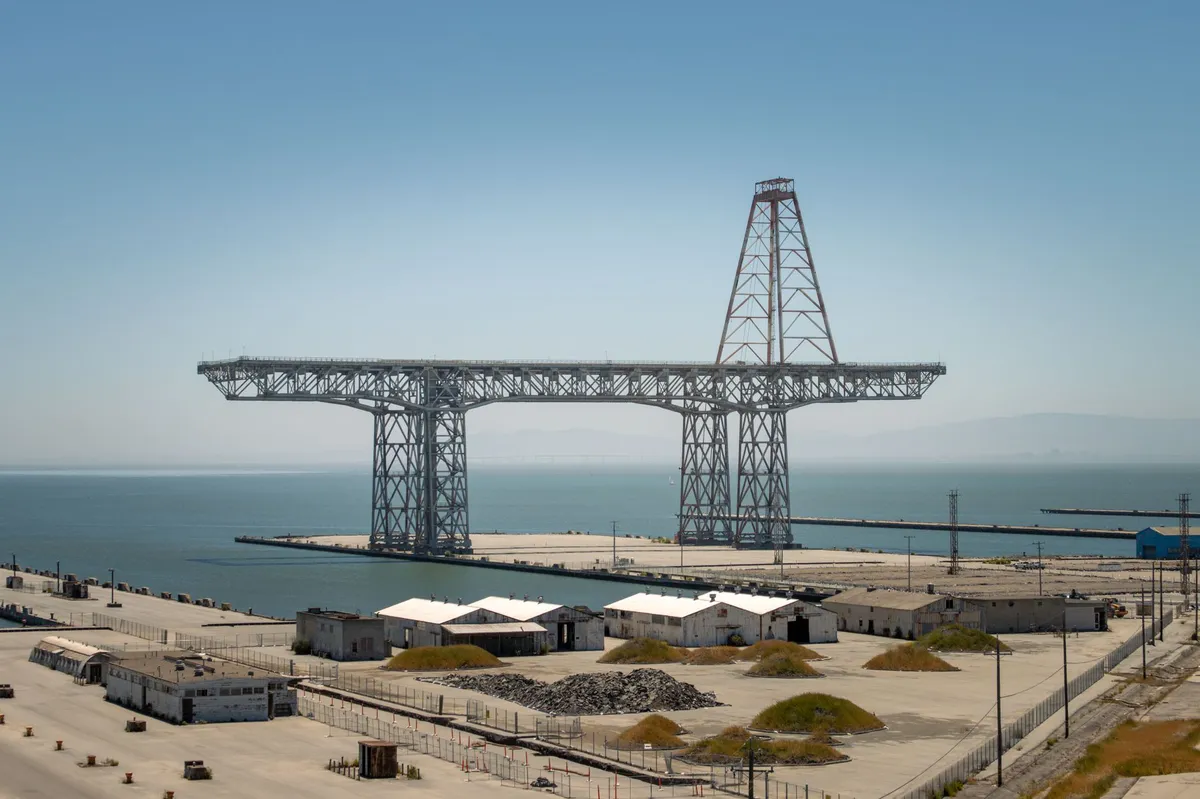
The Hunters Point Naval Shipyard, located in San Francisco's Bayview neighborhood, has a dark history as a site of radiation experiments from 1946 to 1969. It was also a decontamination hub for ships returning from hydrogen bomb tests. This legacy of radioactive waste has made the cleanup efforts particularly critical and contentious.
In 2018, homeowners filed a proposed class action lawsuit against Tetra Tech, its affiliates, and developers involved in the cleanup. The plaintiffs alleged that Tetra Tech ordered workers to destroy soil samples revealing high radioactive readings and replace them with samples from less contaminated areas, effectively concealing the extent of the contamination. This action led to significant depreciation in property values, with homes reportedly losing hundreds of thousands of dollars in worth.
The Price-Anderson Act and Its Implications
Central to Judge Donato's ruling was the Price-Anderson Act (PAA), a federal statute designed to limit the liability of private entities engaged in the nuclear energy sector. Under this act, claims related to nuclear incidents are generally treated as public liability actions, meaning that individuals cannot seek damages unless they can prove specific types of injury or property damage.
Judge Donato concluded that the claims brought by the plaintiffs fell under the PAA, stating that the case constituted a public liability action arising from a nuclear incident. He pointed out that the plaintiffs had acknowledged not suffering any physical injuries or property damage as defined by the statute, thus rendering their claims invalid under the PAA framework.
The Legal Landscape of Environmental Liability
The ruling underscores the complexities of environmental liability law in the U.S. In cases involving nuclear waste and contamination, federal statutes often provide a shield for companies like Tetra Tech, which can limit the legal avenues available to affected individuals. This situation raises essential questions about environmental justice and the protection of vulnerable communities.
Homeowners, particularly in lower-income brackets and retirement populations, have expressed frustration with the judicial process. Many of these individuals feel they have been caught in a web of corporate negligence and governmental oversight failures, leading to a situation where they are unable to seek redress for their grievances.

Community Impact and Ongoing Legal Battles
The implications of Judge Donato's ruling are far-reaching. Hundreds of families have been affected by the alleged fraudulent cleanup, with many experiencing diminished property values and lingering concerns about potential health risks associated with radioactive exposure. According to attorney Anne Marie Murphy, the case has been ongoing for eight years, leaving many families in limbo as they await justice.
Despite the setback with Tetra Tech, the plaintiffs successfully reached a $6.3 million settlement with Lennar Corporation and Five Point Holdings in 2020. This settlement addressed claims related to the developers' failure to disclose the hazardous conditions surrounding the cleanup, but it does not offer relief from the primary contractor, Tetra Tech, which remains embroiled in litigation.
- **Homeowners allege** Tetra Tech ordered the destruction of contaminated soil samples.
- **The Price-Anderson Act** limits liability claims related to nuclear incidents.
- **Plaintiffs' acknowledgment** of no physical injuries complicates their case.
- **Frustration mounts** as families await justice after years of litigation.

Future Considerations for Affected Homeowners
As the legal landscape evolves, affected homeowners must consider their options moving forward. Although the ruling has been a blow to those seeking to hold Tetra Tech accountable, it does not eliminate the possibility of further legal actions or appeals. Attorney Bradley Bowles expressed the plaintiffs' commitment to exploring all available legal options to challenge the ruling.
Homeowners are encouraged to stay informed about the developments in the case and to consult with legal professionals who specialize in environmental law and personal injury claims. Understanding the intricacies of federal statutes like the PAA and how they intersect with state laws will be crucial in navigating future claims.
Key Takeaways
- The ruling grants immunity to Tetra Tech under the Price-Anderson Act.
- Homeowners allege significant property value losses due to fraudulent cleanup efforts.
- Legal options for plaintiffs are limited due to the acknowledgment of no physical injuries.
- The case highlights the challenges of enforcing environmental accountability.
Frequently Asked Questions
What is the Price-Anderson Act?
The Price-Anderson Act is a federal law that limits the liability of private companies involved in nuclear energy and waste management. It allows for the treatment of certain lawsuits as public liability actions, meaning that individuals can only seek recovery for specific types of injuries or damages, primarily bodily injury, sickness, or property damage.
How does this ruling affect homeowners?
This ruling significantly impacts homeowners who have alleged harm from the cleanup efforts at the Hunters Point Naval Shipyard. With Tetra Tech being granted immunity, these homeowners may find it challenging to seek compensation for their losses, especially given the court's focus on the lack of documented physical injuries.
What options do homeowners have moving forward?
Homeowners may consider appealing the ruling or exploring other legal avenues. Consulting with attorneys who specialize in environmental law can provide guidance on potential claims against other parties involved, such as developers or regulatory agencies. Staying informed about legal developments and engaging in community advocacy may also be crucial for affected residents.
What should homeowners do if they suspect contamination?
If homeowners suspect contamination from a nearby site, they should document their concerns and seek professional evaluations of their property. Engaging with environmental experts and legal counsel can help in understanding the risks and determining the appropriate course of action to address any potential health hazards or property devaluation.
Disclaimer: This content is general information, not legal advice.
Comments
Navigating Truck Accident Claims: Protecting Your Rights After a Crash
After a truck accident, signing a release form could jeopardize your financial future. Learn how to navigate insurance claims and why legal representation is crucial.

Related articles




Popular in Personal Injury
- Hawaii Supreme Court Overturns 36-Year-Old Rape Conviction Due to Forensic Flaws
- The Impact of Pro Bono Work by BigLaw Firms in 2025
- Albertsons Faces Trial Over Role in Washington's Opioid Crisis
- The Hidden Dangers of Open Manholes in New York City
- Historic $81 Million Verdict in Utah Pedestrian Wrongful Death Case