Legal Protections for Witness Against West Texas Group Accused of Misconduct
A Texas court has granted a protective injunction to a former member of a controversial group accused of illegal activities in West Texas, highlighting the complexities of civil law and witness safety.
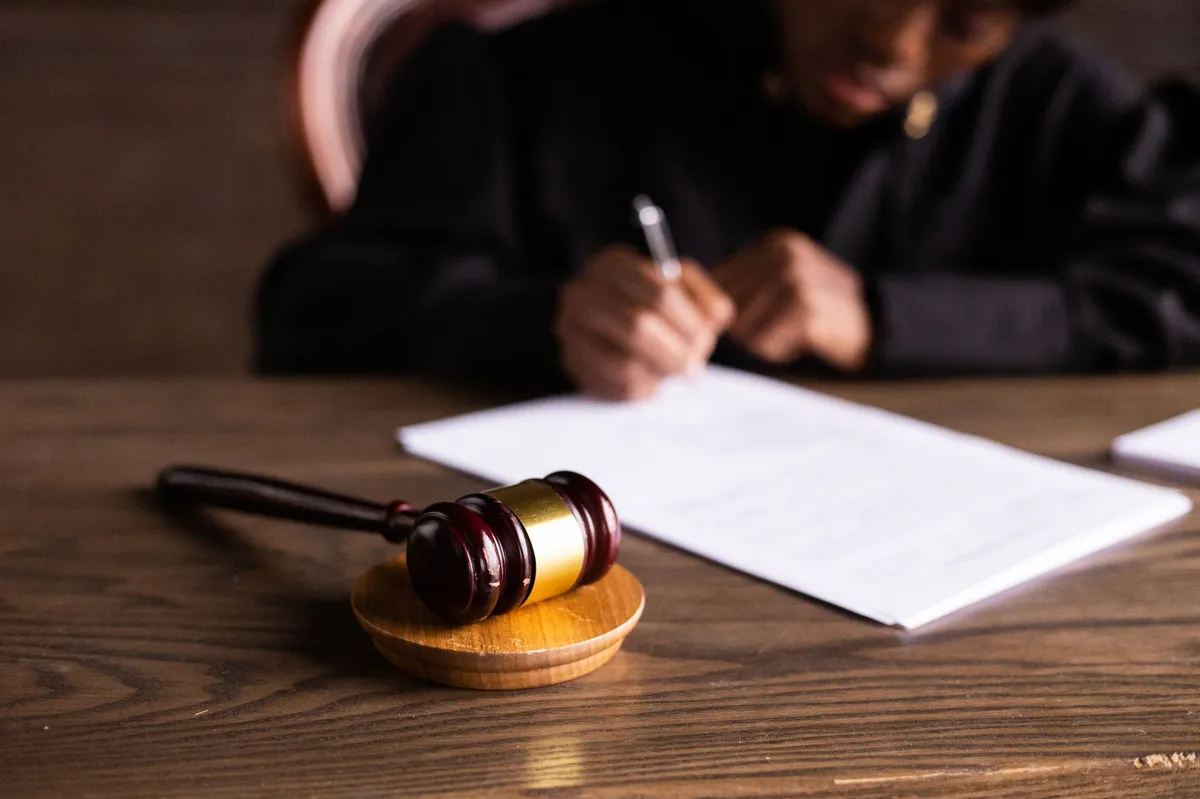
The legal landscape surrounding civil rights and witness protection is often fraught with tension and potential for intimidation. Recently, this tension came to a head in West Texas, where a former member of a controversial organization was granted protective measures against alleged harassment from the group's leadership. This case not only highlights the direct risks faced by whistleblowers but also underscores the broader implications of civil law when it intersects with community activism and property rights.
During a recent virtual hearing, Texas District Court Judge Alan Nicholas ruled in favor of Chasyte Rhea, who has alleged that she is being followed and intimidated by individuals associated with Malcom Tanner, the leader of the Melanated People of Power. Rhea's cooperation with state authorities in a case against Tanner has raised serious concerns for her safety, prompting the court to act swiftly in her favor.
Background on the Case and the Melanated People of Power
The Melanated People of Power, founded by Tanner, positions itself as a movement aimed at assisting Black individuals in acquiring property in Loving County, Texas. However, the group has come under scrutiny from state authorities, with allegations surfacing that Tanner violated consumer protection laws by promising free homes while also mishandling waste on his undeveloped land. In 2025, these accusations culminated in a lawsuit by the state, asserting that Tanner had engaged in deceptive practices.
Rhea, a mother of nine from Houston and a former member of Tanner's group, has come forward as a key witness in the state’s case against Tanner. Her testimony sheds light on the inner workings of the organization and the alleged threats made by Tanner to those he deems adversaries. During the hearing, Rhea detailed a pattern of intimidation, describing instances where she felt closely monitored and harassed by group members.
Incidents of Intimidation and Harassment
Rhea's testimony included alarming accounts of being followed by two individuals linked to Tanner, Vernetta Carey and Diondra Norris. She emphasized that this harassment escalated to damaging her vehicle, with her tire being punctured after a suspicious encounter at a local post office. Such incidents raise significant concerns not only about Rhea's immediate safety but also about the potential implications for others who might consider coming forward against the group.
Rhea's experiences are common among whistleblowers who face retaliation for speaking out against perceived injustices or illegal activities. The fear of retribution can deter individuals from reporting wrongdoing, which can perpetuate harmful practices within organizations.

Legal Framework for Protective Measures
The court's decision to grant Rhea an injunction reflects the legal mechanisms available to protect witnesses in civil cases. Under Texas law, a protective order may be issued to prevent harassment or intimidation of a witness. In this case, Judge Nicholas ruled that Tanner and his associates must maintain a distance of 500 yards from Rhea and her family, a measure designed to ensure her safety as the litigation proceeds.
In civil cases, the burden of proof for obtaining such protective measures rests with the party seeking the injunction. Rhea's testimony, supported by evidence of intimidation, was deemed sufficient by the court to warrant these protective measures. The court's decision illustrates the importance of providing a safe environment for witnesses, which is crucial for the integrity of the judicial process.
Implications of the Injunction
The issuance of the injunction not only safeguards Rhea but also sends a clear message to other potential witnesses about the importance of coming forward. It emphasizes that the legal system recognizes the risks associated with whistleblowing and is willing to take steps to mitigate those risks.
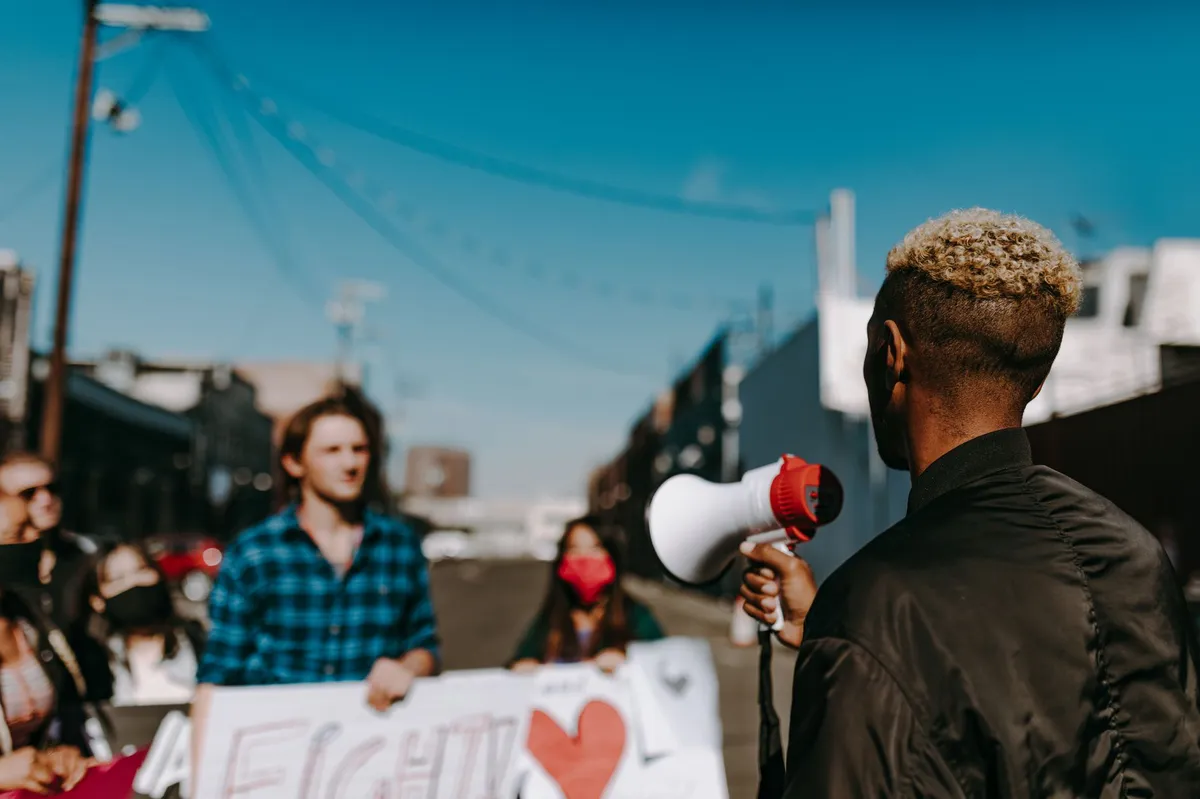
Additionally, the injunction reflects broader societal issues regarding the treatment of marginalized communities. Tanner's assertion that the state's actions are an attempt to suppress Black individuals seeking property rights raises questions about racial equity and the complexities of community movements. Understanding these dynamics is essential for comprehending the implications of this case.
The Role of the Court and Future Proceedings
As the case progresses, the role of the court will be pivotal in ensuring that justice is served while protecting the rights of all parties involved. Tanner, who is representing himself, has attempted to discredit Rhea's credibility, arguing that she is being manipulated by the state. However, Judge Nicholas has maintained a focus on the evidence presented, reinforcing the importance of a fair and impartial judicial process.
The state’s ongoing litigation against Tanner also raises significant questions about consumer protection in community movements. With the rise of grassroots organizations, it is crucial to examine how these groups operate within the legal framework and the responsibilities they bear towards their members and the broader community.
Key Takeaways
- Protective Orders: Courts can issue protective measures for witnesses to ensure their safety during legal proceedings.
- Whistleblower Risks: Individuals who come forward to report misconduct often face intimidation and harassment, highlighting the need for robust legal protections.
- Consumer Protection: Lawsuits against organizations that engage in deceptive practices underscore the importance of consumer rights, especially within vulnerable communities.
- Community Dynamics: The case illustrates the intersection of racial equity, community movements, and legal accountability.
Frequently Asked Questions
What constitutes a protective order in Texas?
A protective order in Texas is a legal decree that prohibits an individual from engaging in specified behaviors toward another person, such as harassment or intimidation. It can include restrictions on contact and proximity to the protected individual, designed to ensure their safety during legal proceedings.
How can someone become a whistleblower and what protections are available?
Becoming a whistleblower involves reporting illegal or unethical activities within an organization. Various laws, including the Whistleblower Protection Act, provide safeguards against retaliation for individuals who report misconduct. It is advisable for potential whistleblowers to consult with legal counsel to understand their rights and the protections available to them.
What are the potential consequences for organizations that violate consumer protection laws?
Organizations found to be in violation of consumer protection laws can face significant legal repercussions, including fines, lawsuits, and reputational damage. In severe cases, individuals within the organization may also face criminal charges, depending on the nature of the violations.
How does a civil case differ from a criminal case?
Civil cases involve disputes between individuals or organizations that typically seek monetary compensation or specific actions, while criminal cases involve government prosecution of individuals accused of violating laws. The burden of proof is also different; in civil cases, the standard is a preponderance of the evidence, whereas criminal cases require proof beyond a reasonable doubt.
This article is for informational purposes only and should not be construed as legal advice.
Comments
Understanding Assault Charges in Colorado: A Comprehensive Guide
Assault laws in Colorado vary significantly based on the severity of the act. This article breaks down the different degrees of assault, their implications, and the importance of legal representation.

Related articles


Popular in Personal Injury
- Hawaii Supreme Court Overturns 36-Year-Old Rape Conviction Due to Forensic Flaws
- The Impact of Pro Bono Work by BigLaw Firms in 2025
- Albertsons Faces Trial Over Role in Washington's Opioid Crisis
- The Hidden Dangers of Open Manholes in New York City
- Historic $81 Million Verdict in Utah Pedestrian Wrongful Death Case