Navigating International Adoption: The Essential Role of Immigration Adoption Lawyers
International adoption is a profound and complex journey influenced by multiple legal frameworks. Understanding the intricacies of this process, especially the critical role played by immigration adoption lawyers, can be pivotal for families seeking to adopt from abroad.

For families contemplating the profound journey of international adoption, the path is often filled with excitement and hope, but it is also fraught with challenges and complexities. The intersection of U.S. immigration law, the laws of the child's country of origin, and state-specific regulations can create a labyrinthine process that is difficult to navigate without specialized legal guidance. Understanding the essential role of an immigration adoption lawyer is crucial for families in Florida and beyond, as it sets the foundation for a successful adoption journey.
International adoption is not just a legal transaction; it is a life-altering commitment that requires careful consideration and expertise. Families must be prepared to tackle the various legal requirements, potential delays, and emotional hurdles that come with adopting a child from another country. This article delves into the significance of working with an immigration adoption lawyer, outlines the complexities of the process, and offers insights on how to avoid common pitfalls.
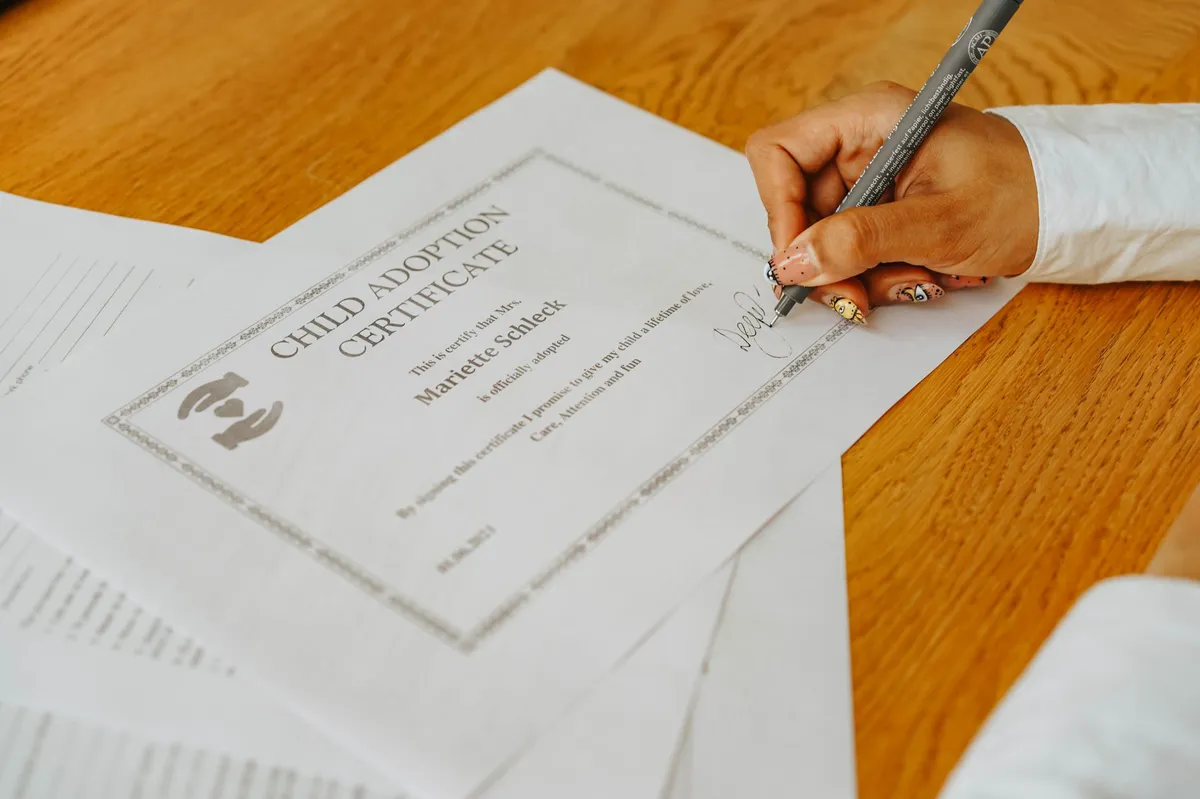
The Complexity of International Adoption
International adoption is a complex legal process that differs significantly from domestic adoption. In domestic adoptions, state law primarily governs the procedures, while international adoptions are influenced by a trifecta of legal frameworks: U.S. federal immigration law, the laws of the child's home country, and the requirements set forth by the Hague Adoption Convention.
The Hague Convention on the Protection of Children and Co-operation in Respect of Intercountry Adoption is an international treaty designed to establish safeguards for intercountry adoptions. Over 100 countries, including the United States, have ratified this Convention, which aims to prevent child abduction, trafficking, and to ensure that adoptions serve the best interests of the child. The U.S. Department of State oversees the compliance of these conventions, making the role of an immigration adoption lawyer essential as they navigate through these intricate regulations.

Understanding Hague and Non-Hague Adoptions
Adoptions can be categorized into two tracks: Hague and Non-Hague, based on whether the child’s country is a signatory to the Hague Convention. This distinction greatly impacts the procedures families must follow.
Hague Convention Adoptions
In Hague adoptions, families must work with an adoption service provider that is accredited or approved at the federal level. This ensures that all necessary services are provided in compliance with the Convention’s requirements. The accredited provider is responsible for delivering six essential adoption services, which include:
- Assessment of the child's needs
- Evaluation of prospective adoptive parents
- Placement of the child
- Post-placement services
- Facilitation of the adoption process
- Compliance with U.S. immigration requirements
Hague adoptions tend to be more structured and regulated, providing a framework that aims to protect the welfare of the child while ensuring that all legalities are rigorously followed.
Non-Hague Adoptions
On the other hand, Non-Hague adoptions involve a different set of requirements, primarily managed through U.S. Citizenship and Immigration Services (USCIS). Families typically start this process by submitting an I-600A application for advance processing, followed by an I-600 petition once they identify a specific child. The procedures can be less standardized compared to Hague adoptions, increasing the risk of missteps without proper legal guidance.

Key Stages Where Legal Guidance is Crucial
Throughout the international adoption process, there are several key stages where the expertise of an immigration adoption lawyer can make a significant difference:
1. Home Study Completion
A home study is a mandatory requirement for both Hague and Non-Hague adoptions. Conducted by a licensed professional, the home study assesses the prospective adoptive parents' health, finances, home environment, and background. An immigration adoption lawyer ensures that the home study meets both U.S. and the specific country's standards, which can vary considerably.
2. USCIS Eligibility
Before an international adoption can proceed, prospective adoptive parents must receive approval from USCIS. An adoption attorney can assist in managing the necessary paperwork, background checks, and home study requirements to facilitate a smoother process.
3. Compliance with Country-Specific Requirements
Each country has its unique adoption laws and procedures. A qualified immigration adoption lawyer helps families understand and meet these requirements while ensuring compliance with U.S. laws, thereby reducing the risk of delays or complications.
4. Securing the Child's Immigrant Visa
Once the adoption application is approved, the child must obtain a U.S. immigrant visa before they can legally travel to the United States. An immigration adoption lawyer plays a vital role in navigating this process, ensuring timely and accurate submission of all necessary documents.
Choosing the Right Immigration Adoption Lawyer
Choosing an attorney for international adoption is a pivotal step for families. Not all lawyers who specialize in adoption have relevant experience in international cases. When selecting an immigration adoption lawyer, consider asking the following questions:
- What is your experience with international adoptions?
- Can you provide references from past clients?
- What is your success rate with Hague and Non-Hague adoptions?
- How do you communicate with clients throughout the process?
By consulting with an experienced immigration adoption lawyer in Florida, families can set the stage for a successful international adoption journey from the outset.

Common Pitfalls in International Adoption
Many families embark on the international adoption process without legal guidance, only to encounter significant issues that can lead to delays or, in severe cases, the failure of an adoption to complete. Some common pitfalls include:
- Failure to meet home study requirements
- Incomplete or incorrect paperwork submitted to USCIS
- Not understanding the specific laws of the child's country
- Missing deadlines for visa applications
Engaging a specialist immigration adoption lawyer from the beginning can help avoid these common setbacks. Families who proactively seek legal guidance often experience a smoother adoption process and are more likely to realize their dream of bringing a child into their home.
Key Takeaways
- International adoption involves navigating complex legal frameworks.
- Consulting an immigration adoption lawyer can prevent costly delays.
- Understand the differences between Hague and Non-Hague adoptions.
- Legal guidance is crucial at key stages of the adoption process.
- Choose an attorney with specific experience in international adoptions.
Frequently Asked Questions
What is the Hague Convention, and how does it affect international adoption?
The Hague Convention on the Protection of Children and Co-operation in Respect of Intercountry Adoption is an international treaty aimed at ensuring that intercountry adoptions are conducted ethically and legally. It establishes legal standards to prevent child trafficking and to ensure that all adoptions serve the best interests of the child. For families considering adoption from a Hague country, compliance with these standards is mandatory, and working with an immigration adoption lawyer can help navigate these requirements.
How long does the international adoption process typically take?
The timeline for international adoption can vary widely based on several factors, including the child's country of origin, the type of adoption (Hague or Non-Hague), and the efficiency of the involved agencies. Generally, the process can take anywhere from six months to several years. Engaging an immigration adoption lawyer early in the process can help streamline the timeline and ensure that all necessary steps are taken promptly.
Can I adopt a child from a Non-Hague country without legal representation?
While it is technically possible to pursue an adoption from a Non-Hague country without legal representation, it is highly discouraged. The complexities of immigration law and the specific requirements of the child's home country can lead to significant pitfalls. An immigration adoption lawyer provides essential guidance, helping to ensure compliance with all legal requirements and reducing the risk of delays or denials.
What should I do if I encounter problems during the adoption process?
If you experience issues during your international adoption journey, it is crucial to seek legal assistance immediately. An experienced immigration adoption lawyer can help identify the source of the problem, advise on the best course of action, and work to resolve the issues effectively. Early intervention is often key to overcoming obstacles and ensuring a successful adoption.
This article is for informational purposes only and does not constitute legal advice.
Comments
Georgia Teen Sentenced to Life Without Parole for School Shooting
Colt Gray, a 16-year-old, received a life sentence without parole for a 2024 mass shooting at Apalachee High School, where he killed two teachers and two students. The judge's decision highlights the complexities of juvenile justice and the societal failures surrounding the case.

Related articles


Popular in Personal Injury
- Hawaii Supreme Court Overturns 36-Year-Old Rape Conviction Due to Forensic Flaws
- The Impact of Pro Bono Work by BigLaw Firms in 2025
- Albertsons Faces Trial Over Role in Washington's Opioid Crisis
- The Hidden Dangers of Open Manholes in New York City
- Historic $81 Million Verdict in Utah Pedestrian Wrongful Death Case