Ebola Outbreak in Congo: Escalating Violence and Workforce Strikes Complicate Response
The response to the ongoing Ebola outbreak in Congo faces severe limitations due to safety fears and strikes among health workers. With over 2,000 cases reported, the situation is critical as violence against health facilities escalates.
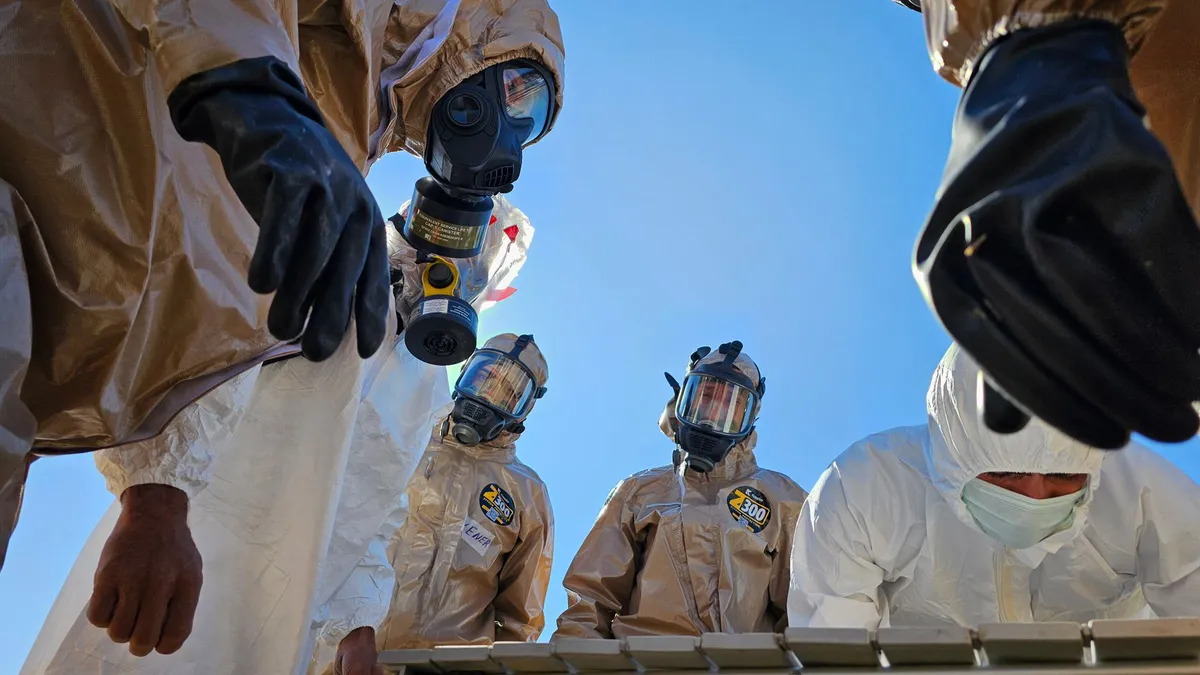
The ongoing Ebola outbreak in the Democratic Republic of Congo (DRC) has reached alarming levels, with over 2,181 confirmed cases and 864 fatalities reported. However, the response to this public health crisis has been severely hampered by escalating violence against health facilities and workers, alongside strikes from frontline health staff over unpaid salaries. This combination of factors has created a precarious situation for both the local population and the international health community, as the DRC grapples with the fastest-growing Ebola outbreak on record.
As health workers in the Ituri province, the epicenter of the outbreak, face violent attacks from angry mobs, the ability to treat infected patients and contain the virus is being critically undermined. With no approved vaccine or treatment for the specific Bundibugyo virus responsible for this outbreak, the stakes are higher than ever, and urgent action is needed to secure the safety of healthcare providers and the affected communities.
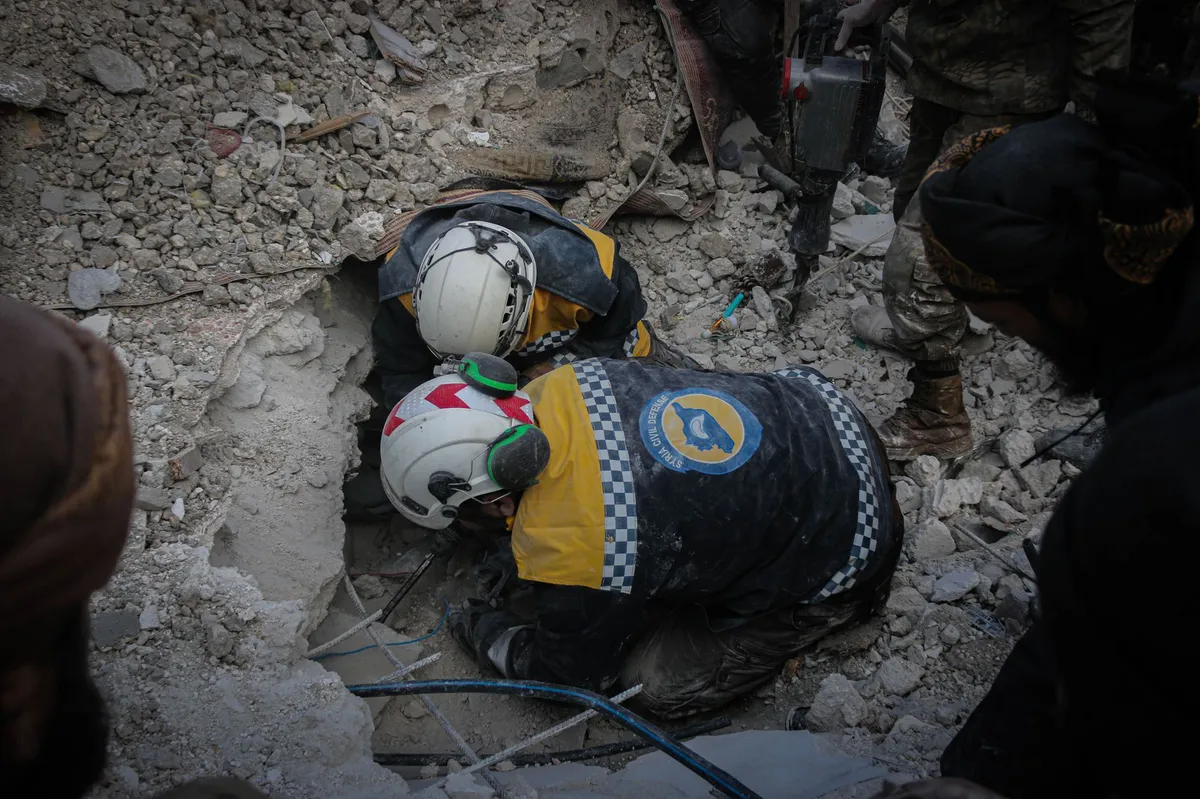
Understanding the Threat: Ebola and Its Challenges
Ebola is a severe viral illness that spreads through the contact with bodily fluids of infected individuals. The current outbreak is caused by the Bundibugyo virus, which, while less common than other strains, poses unique challenges due to the absence of effective vaccines and treatments. Traditional burial practices, which can facilitate the spread of the virus, have been restricted, leading to community unrest and further complicating response efforts.
The Role of Traditional Practices
In many cultures across Africa, funerals are deeply rooted in tradition, often involving washing and preparing the deceased's body. However, these practices can significantly increase the risk of transmission. Health authorities have attempted to educate communities on safer methods of burial, emphasizing the need for dignity while also protecting public health. Unfortunately, this educational outreach has been met with resistance, leading to violent confrontations between community members and healthcare workers.
Violence Against Health Workers: A Growing Concern
Throughout the Ebola outbreak, there have been at least a dozen recorded attacks on health facilities and workers. These assaults have primarily been carried out by local mobs, frustrated by the restrictions imposed on their traditional practices and the perceived failure of health authorities to effectively manage the outbreak. Pierre Akilimali, the incident manager for the Ebola response, highlighted that these violent incidents have disrupted not only treatment efforts but also the safe burial teams responsible for handling deceased patients.
The Impact of Strikes on Healthcare Response
Compounding the violence is a strike among health workers in Ituri province, who are demanding payment for their services. Unpaid salaries have led many frontline workers to abandon their posts, exacerbating the already dire situation. As Christophe Munyanderu, a civil society leader, noted, the departure of aid workers from the area could severely hinder efforts to combat the outbreak and save lives. The combination of violence and labor disputes has created a perfect storm that threatens to overwhelm an already fragile healthcare system.
The Role of International Aid and Community Engagement
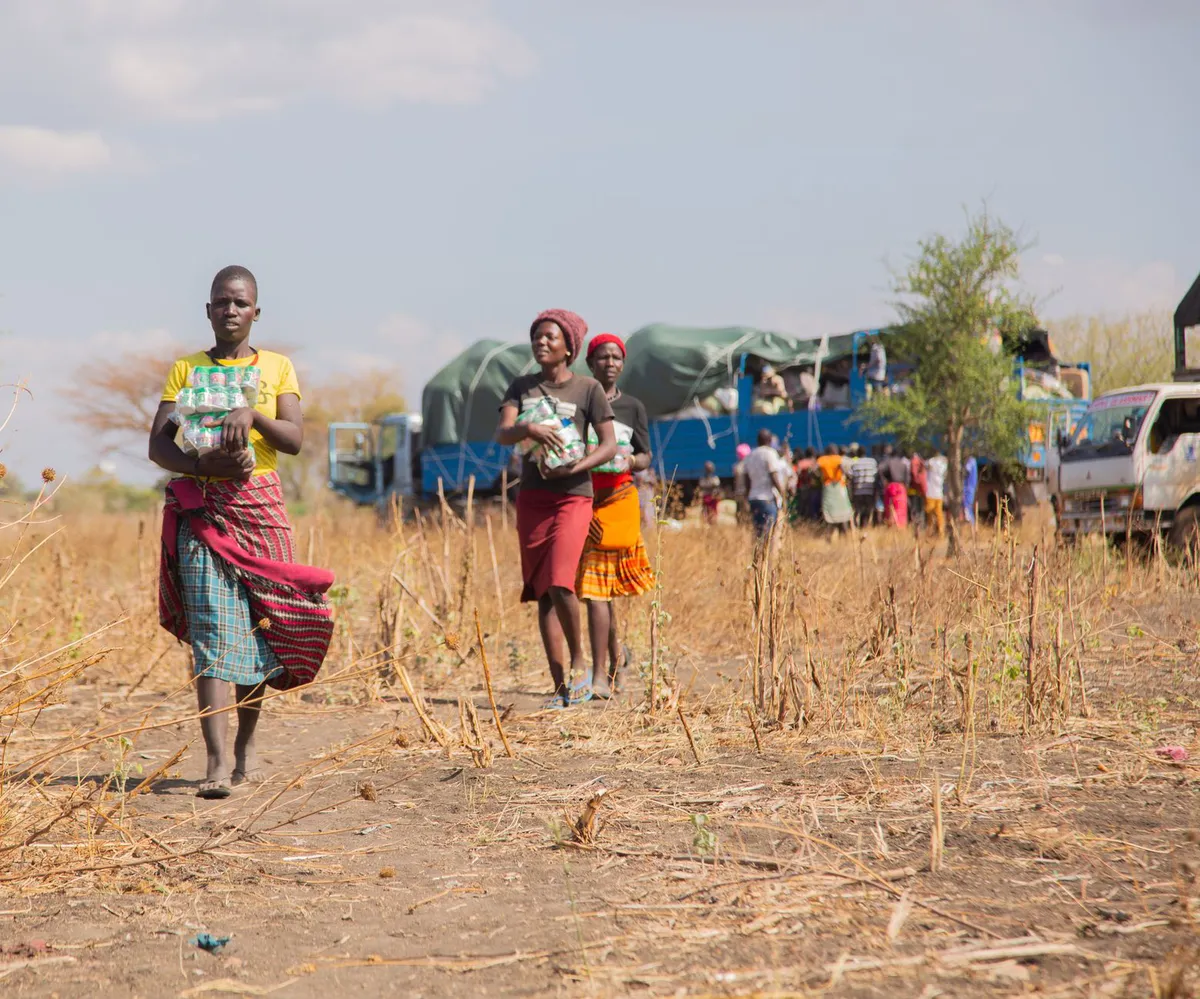
The United Nations and various humanitarian organizations have been closely monitoring the situation in Congo. U.N. spokesman Stéphane Dujarric expressed deep concern over the escalating violence and its impact on the Ebola response. Many humanitarian partners have relocated their staff to Bunia, the provincial capital, which is perceived as a safer environment. This reassignment highlights the urgent need for improved security measures to protect health workers and ensure the continuation of vital services.
Community Trust: A Key Element in Response
Building trust within affected communities is essential for a successful response to the outbreak. Engaging with local leaders and addressing grievances related to treatment and burial practices is crucial for fostering cooperation and compliance with health guidelines. By involving community members in the response efforts and respecting cultural sensitivities, health authorities can work towards a more effective containment strategy that respects the dignity of individuals while prioritizing public health.
Key Takeaways
- Over 2,181 Ebola cases have been reported in the DRC, with 864 fatalities.
- Violence against health workers and facilities has escalated, complicating response efforts.
- Strikes by health workers over unpaid salaries have further strained the healthcare system.
- Community engagement and trust-building are critical for effective outbreak response.
- The Bundibugyo virus lacks approved vaccines or treatments, increasing the urgency of the response.
Frequently Asked Questions
What are the symptoms of Ebola and how does it spread?
Ebola symptoms typically include fever, severe headache, muscle pain, weakness, diarrhea, vomiting, abdominal pain, and unexplained bleeding or bruising. The virus spreads through direct contact with bodily fluids from an infected person, such as blood, saliva, or vomit, and through contact with contaminated surfaces or materials. Understanding these transmission pathways is essential for preventing the further spread of the virus.
Why is there no vaccine or treatment for the Bundibugyo virus?
The Bundibugyo virus is a less common strain of the Ebola virus family, and as such, research and development for specific vaccines or treatments have not progressed as rapidly as for other more prevalent strains. The urgency of the current outbreak has highlighted the need for increased investment in medical research and the development of effective public health interventions to combat this deadly virus.
How can communities support Ebola response efforts?
Communities can play a crucial role in supporting Ebola response efforts by adhering to health guidelines, participating in education initiatives, and collaborating with health authorities to ensure safe burial practices. Local leaders can help dispel myths and misinformation about the virus, fostering a more cooperative environment that encourages residents to follow public health protocols. Building trust and understanding within communities is essential for the success of any health intervention.
What steps are being taken to improve safety for health workers?
Efforts to improve safety for health workers in the DRC include increased security measures around health facilities, training for staff on how to engage with communities effectively, and establishing communication channels that allow health workers to report threats or incidents of violence. Additionally, international organizations are advocating for the protection of health workers under humanitarian law, emphasizing their vital role in combating the outbreak and ensuring public safety.
Disclaimer: This content is general information and not legal advice.
Comments
Former Professor's Guilty Plea Unveils Dark Side of Fentanyl Distribution
Daniel Taylor, a former Texas Tech professor, pleads guilty to a fentanyl distribution scheme tied to serious overdoses, revealing the intersection of education and crime.

Related articles
Popular in Personal Injury
- Hawaii Supreme Court Overturns 36-Year-Old Rape Conviction Due to Forensic Flaws
- The Impact of Pro Bono Work by BigLaw Firms in 2025
- Albertsons Faces Trial Over Role in Washington's Opioid Crisis
- The Hidden Dangers of Open Manholes in New York City
- Historic $81 Million Verdict in Utah Pedestrian Wrongful Death Case