Ramsey County Sues Homeland Security Over ICE Arrest Investigation
Ramsey County in Minnesota has filed a lawsuit against the Department of Homeland Security, alleging obstruction in its investigation into a controversial ICE arrest that could be classified as kidnapping. This case raises significant questions about federal and state cooperation in law enforcement.

In a striking confrontation between state and federal authorities, Ramsey County, Minnesota, has initiated legal action against the Department of Homeland Security (DHS). This lawsuit stems from an incident on January 18, 2023, when federal immigration agents allegedly executed an arrest that the county describes as a potential kidnapping. As the country grapples with immigration enforcement policies and the role of federal agencies, this case raises critical questions about the balance of power between state and federal law enforcement.
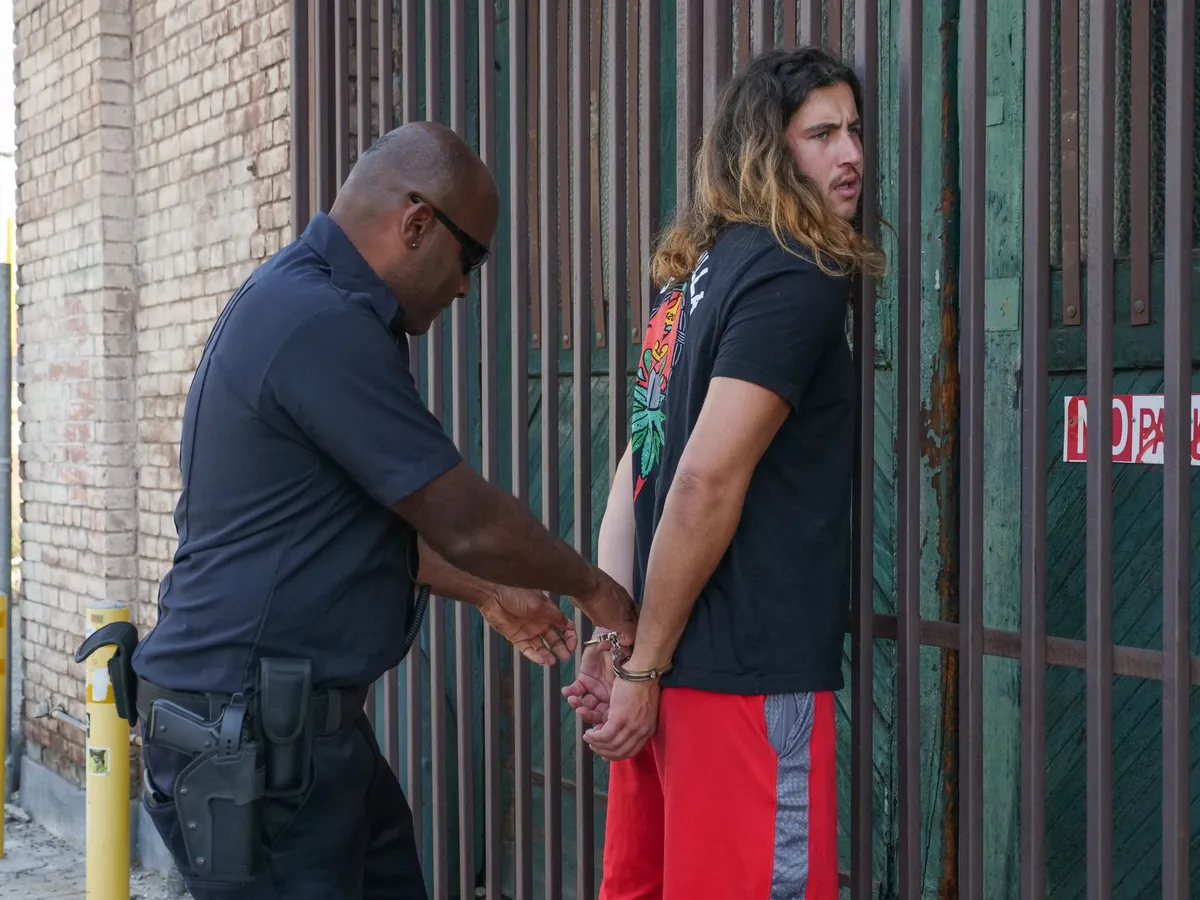
According to the lawsuit filed on Wednesday, the county is demanding access to evidence surrounding the arrest of 56-year-old ChongLy “Scott” Thao, a U.S. citizen and Hmong immigrant. Thao was reportedly detained by a group of unidentified, masked individuals—believed to be federal agents—who forced their way into his St. Paul home. Prosecutors allege that Thao was handcuffed and taken outside in freezing temperatures while wearing only shorts and Crocs, prompting serious concerns about the legality of the agents' actions.
Background of the Incident
Thao's arrest was executed under the auspices of a warrant aimed at targeting sexual predators allegedly linked to his property. However, Thao's family contends that no such individuals resided there, raising questions about the motivations behind the federal operation and the agents' authority. This incident is not merely an isolated event but part of a broader pattern of tension between state law enforcement and federal immigration authorities.
In the aftermath of the arrest, officials from Ramsey County's sheriff's and county attorney's offices swiftly opened a criminal investigation. However, they have encountered significant obstacles in their efforts to obtain necessary documentation and evidence from DHS. Over three months have passed without any clear justification from federal agencies regarding the withholding of requested materials, culminating in the county's decision to file a lawsuit.

The Legal Basis for the Lawsuit
The lawsuit is grounded in the Administrative Procedure Act, a federal law that allows individuals to challenge agency actions that are arbitrary or capricious. Ramsey County Attorney John Choi, along with Sheriff Bob Fletcher, argues that the federal government's refusal to share evidence not only obstructs their investigation but also undermines the principles of federalism. They assert that the federal government cannot evade scrutiny by withholding information from state authorities, particularly when potential criminal offenses—such as burglary, false imprisonment, and kidnapping—are being investigated.
Choi remarked in April that there was no evidence indicating that the federal agents had a legitimate warrant for their actions. This assertion strengthens the county’s case, framing the situation as a violation of both state and federal law. The county officials emphasize that the lack of cooperation from DHS marks an unprecedented departure from historical practices where federal and state agencies typically collaborated in criminal investigations.

Implications for Federal-State Relations
This lawsuit is emblematic of a growing rift between state and federal law enforcement agencies, particularly in the context of immigration enforcement. The Supremacy Clause of the Constitution provides federal officials with significant protections from state prosecution for actions taken in the course of their duties. However, it does not grant them absolute immunity, especially when state laws may have been violated.
The tensions highlighted by this case echo similar disputes across the country, where local law enforcement agencies have expressed frustration with federal counterparts over access to information and resources. The 10th Amendment, which reserves powers not delegated to the federal government for the states, plays a crucial role in these disputes. State officials argue that they have both the authority and the duty to investigate crimes occurring within their borders, underscoring the need for cooperation between layers of government.
Broader Context of Federal Overreach
The lawsuit comes in the wake of a troubling trend in which state investigators have encountered barriers when probing incidents involving federal agents. Recently, federal prosecutors faced scrutiny for withholding crucial evidence in unrelated cases, including the fatal shootings of two individuals by law enforcement. Minnesota Attorney General Keith Ellison expressed concern that the federal government had spent months attempting to conceal evidence from state investigators.
This lack of transparency and cooperation not only hinders state investigations but also raises significant civil liberties concerns. When federal agents operate without accountability, the potential for abuses of power increases. As communities navigate the complexities of immigration enforcement, it becomes imperative to ensure that the actions of federal agents are subject to oversight and scrutiny, especially when those actions may violate state laws.

Next Steps for Ramsey County
As Ramsey County moves forward with its lawsuit, the outcome will likely influence similar cases across the United States. The legal proceedings could set a precedent regarding the extent of federal immunity and the obligations of federal agencies to cooperate with state investigations. Furthermore, it may prompt a critical examination of federal immigration enforcement practices and their impact on local communities.
The county officials have exhausted all administrative remedies to obtain the necessary evidence and have stated that they have no choice but to pursue legal action. Their determination to seek justice for Thao and uphold the principles of accountability in law enforcement reflects a broader movement among state officials to assert their rights in the face of federal overreach.
Key Takeaways
- Ramsey County has filed a lawsuit against DHS for withholding evidence related to a controversial ICE arrest.
- The case raises critical questions about the relationship between state and federal law enforcement agencies.
- Potential charges against federal agents include burglary, false imprisonment, and kidnapping.
- The lawsuit reflects ongoing tensions regarding federal immigration enforcement and accountability.
- Outcomes could set precedents for future federal-state interactions in law enforcement.
Frequently Asked Questions
What led to Ramsey County's lawsuit against DHS?
Ramsey County's lawsuit was prompted by an incident involving the arrest of a local resident by federal immigration agents. The county officials claim that the agents acted unlawfully, detaining the individual without a proper warrant and in violation of state law. After months of attempting to obtain evidence from DHS without success, the county decided to pursue legal action to compel the agency to comply with their requests.
What are the potential legal implications of this case?
The legal implications of this case could be significant, potentially impacting the degree of cooperation required between federal and state law enforcement agencies. If the court sides with Ramsey County, it could establish a precedent for similar lawsuits, reinforcing the notion that federal authorities must be held accountable to state laws and investigations. This could also influence how immigration enforcement actions are conducted across the country.
How does this case relate to broader issues of federalism?
This case highlights the ongoing tensions between state and federal powers, particularly in the context of law enforcement and immigration policy. The principles of federalism dictate that states retain certain rights and powers not expressly granted to the federal government. As state officials assert their authority to investigate crimes within their jurisdiction, the outcome of this lawsuit may further define the boundaries of federalism in the United States.
What actions can citizens take in response to this situation?
Citizens concerned about the implications of this case can engage in various forms of advocacy, including reaching out to their local representatives, participating in community discussions about law enforcement practices, and supporting organizations that promote transparency and accountability in government. Additionally, staying informed about the developments of this case and similar ones can empower individuals to advocate for their rights and the rights of others in their communities.
This article is intended for informational purposes only and should not be construed as legal advice.
Comments
Trial of Georgia Teacher Accused in Son's Death: A Closer Look
The trial of Kianna Davis, a former teacher accused of murdering her two-year-old son, Karter Ambrose, has captivated attention as jurors deliberate over the evidence presented. This case raises significant questions about child welfare, legal responsibilities, and the implications of circumstantial evidence in criminal trials.

Related articles



Popular in Personal Injury
- Hawaii Supreme Court Overturns 36-Year-Old Rape Conviction Due to Forensic Flaws
- The Impact of Pro Bono Work by BigLaw Firms in 2025
- Albertsons Faces Trial Over Role in Washington's Opioid Crisis
- The Hidden Dangers of Open Manholes in New York City
- Historic $81 Million Verdict in Utah Pedestrian Wrongful Death Case