Unraveling Pregnancy Cravings: Insights from Brain Research
A groundbreaking study reveals how pregnancy alters brain activity, intensifying food cravings. Understanding these changes could inform maternal health strategies.

The phenomenon of food cravings during pregnancy is a well-known yet often misunderstood aspect of maternal health. For many women, the sudden and intense desire for specific foods can be puzzling, leading to questions about biological and psychological influences. A recent study conducted by researchers at Louisiana State University’s Pennington Biomedical Research Center sheds light on this issue by identifying significant changes in brain activity associated with food cravings during pregnancy. This research not only enhances our understanding of maternal behavior but also opens the door to potential implications for managing health during pregnancy.
The findings, published in the journal Nature Neuroscience, focus on the operation of serotonin-producing nerve cells in a specific brain region known as the dorsal raphe nucleus. These nerve cells play a critical role in various brain functions, including mood regulation, appetite, and reward processing. Understanding these mechanisms is crucial, as they can inform strategies for addressing excessive weight gain and cravings during pregnancy.

Brain Mechanisms Behind Cravings
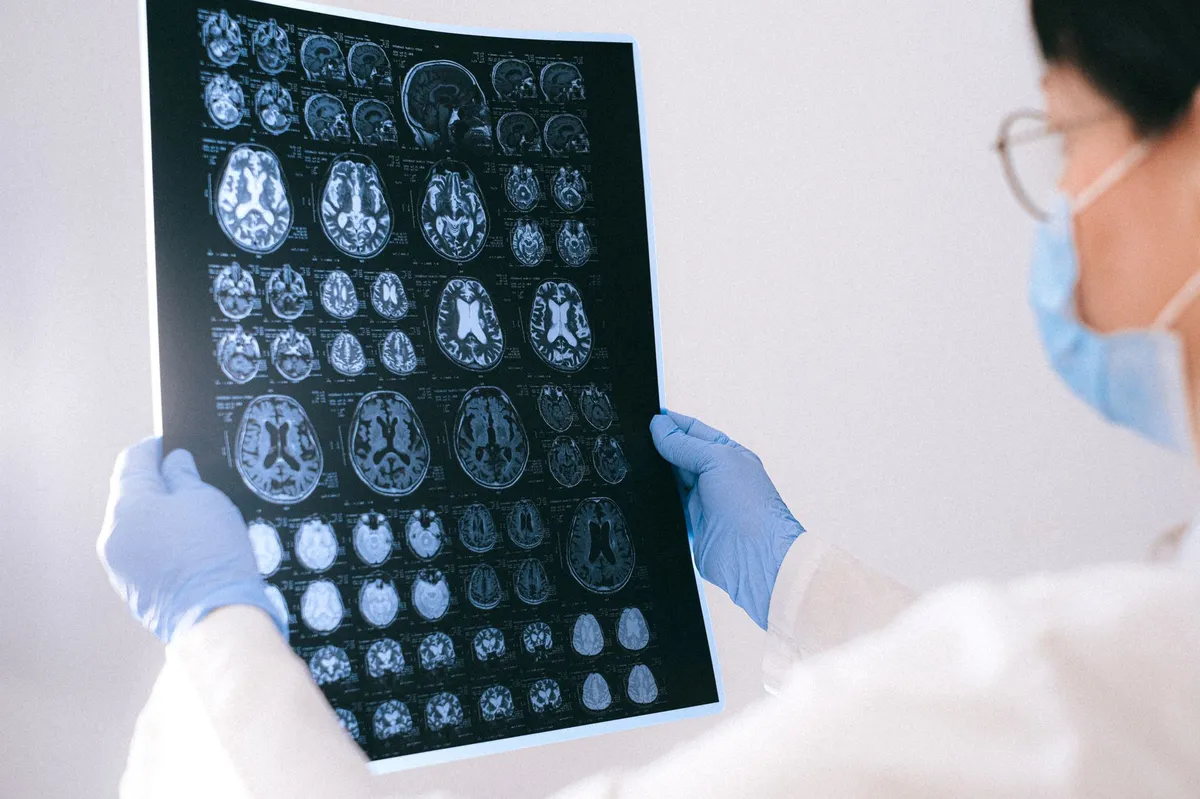
The study primarily explored how pregnancy influences the activity of serotonin neurons in the dorsal raphe nucleus. Researchers found that during pregnancy, these neurons exhibited decreased activity. This reduction in firing rates was directly correlated with increased behaviors resembling food cravings. Such findings suggest that hormonal and physiological changes during pregnancy may alter the brain's normal regulatory functions related to food-seeking behavior.
The Role of SK3 Potassium Channels
One of the pivotal discoveries from the research pertains to a specific potassium channel known as SK3. Potassium channels are crucial for regulating the electrical activity of nerve cells, influencing how frequently they send signals. In pregnant mice, SK3 activity was found to increase in the serotonin-producing cells, leading to a notable drop in their firing activity. This change seems to enhance the brain's signals that drive food-seeking behaviors, offering a potential explanation for the intense cravings many women experience.
The Connection to Reward and Motivation
Researchers did not stop there; they also examined the connection between the dorsal raphe nucleus and another brain region called the ventral tegmental area, which is integral to reward processing and motivation. This interconnectedness plays a significant role in regulating food-seeking behaviors. When researchers stimulated this pathway in pregnant mice, the food-craving-like behaviors were reduced. Conversely, when this pathway was inhibited in non-pregnant animals, there was an observable increase in such behaviors.
Implications for Maternal Health
Dr. Yanlin He, who led the research, emphasizes that these findings could provide a framework for understanding why some women experience more severe food cravings and weight gain during pregnancy than others. However, it is crucial to note that this research was conducted in mice, and caution must be exercised in extrapolating these results to humans. Further studies are necessary to determine whether similar brain changes occur in pregnant women and how they might relate to differences in appetite and food preferences.
Potential Risks and Future Research
As exciting as these findings are, researchers highlight the importance of understanding the potential risks associated with altering serotonin activity during pregnancy. While manipulating serotonin levels might offer a theoretical pathway to manage cravings, it could also entail significant risks for both maternal and fetal health. As such, ongoing research is essential to decipher the complex interplay between pregnancy-related hormones, body changes, SK3 activity, and serotonin signaling.
Understanding Maternal Cravings
While the current study does not provide a direct solution for managing pregnancy cravings, it offers a glimpse into the underlying brain activity that may influence food motivations during this critical period. Pregnant women often find themselves navigating a landscape of cravings that can impact their dietary choices and overall health. By understanding the biology behind these cravings, healthcare providers may be better equipped to support women in making healthy nutritional choices during pregnancy.
Key Takeaways
- Brain Changes: Pregnancy alters serotonin neuron activity, influencing food cravings.
- SK3 Potassium Channel: Increased SK3 activity reduces serotonin neuron firing, impacting appetite regulation.
- Reward Pathways: Interactions between brain regions affect food-seeking behavior during pregnancy.
- Future Research Needed: Further studies are essential to confirm findings in humans and explore implications for maternal health.
- Risks of Manipulation: Altering serotonin levels during pregnancy may pose risks to maternal and fetal health.
Frequently Asked Questions
What are the main findings of the study regarding pregnancy cravings?
The study identified that serotonin-producing neurons in the dorsal raphe nucleus become less active during pregnancy, which correlates with increased food-craving-like behavior. Additionally, the role of the SK3 potassium channel was crucial in these changes, indicating a biological basis for the cravings many women experience.
Why is understanding these cravings important for maternal health?
Understanding the biological mechanisms behind pregnancy cravings can help healthcare providers better support pregnant women in managing their diets and avoiding excessive weight gain. This knowledge can inform tailored nutritional advice and interventions that promote healthier eating habits during pregnancy.
Are the findings applicable to human pregnancies?
While the findings are based on studies conducted in mice, they provide a foundation for future research into human pregnancy. It is essential to conduct studies on human subjects to confirm whether similar brain changes and mechanisms occur, and how they may influence cravings and appetite.
What risks are associated with altering serotonin levels during pregnancy?
Manipulating serotonin activity could have unintended consequences for both maternal and fetal health, as serotonin is involved in many physiological processes. Therefore, any potential treatments based on these findings would require thorough investigation to ensure safety and efficacy before being applied in a clinical setting.
This article is for informational purposes only and does not constitute legal advice.
Comments
Cortisol Patterns and Cognitive Decline: Insights from Recent Research
A groundbreaking study links cortisol levels to cognitive decline in older adults, revealing significant racial differences in cortisol patterns and their implications for cognitive health.

Related articles
Popular in Personal Injury
- Hawaii Supreme Court Overturns 36-Year-Old Rape Conviction Due to Forensic Flaws
- The Impact of Pro Bono Work by BigLaw Firms in 2025
- Albertsons Faces Trial Over Role in Washington's Opioid Crisis
- The Hidden Dangers of Open Manholes in New York City
- Historic $81 Million Verdict in Utah Pedestrian Wrongful Death Case