ICE Agent Arrested: Legal Implications of Shooting Incident in Minnesota
Christian Castro, an ICE agent, faces serious charges after a shooting incident involving a Venezuelan immigrant. This case raises significant questions about accountability for federal agents in state courts.
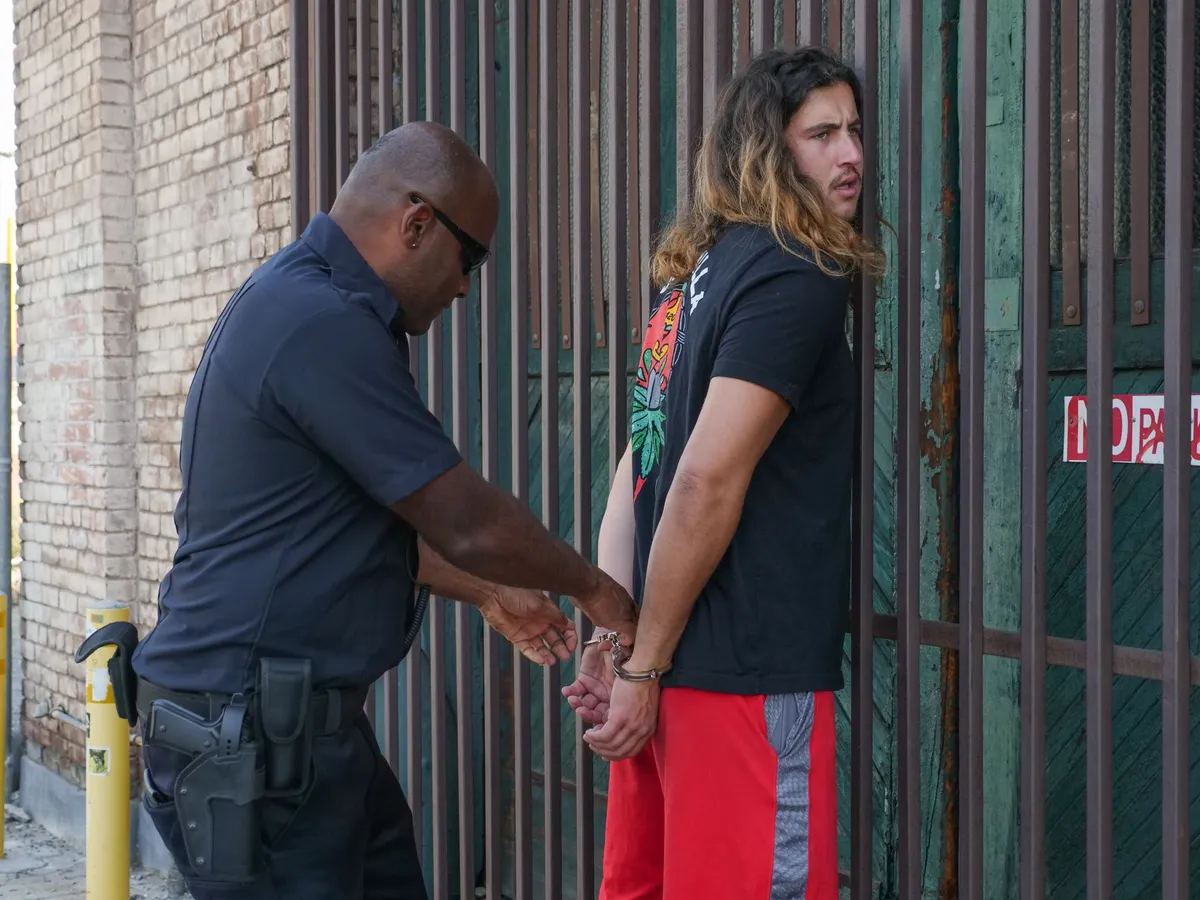
The recent case of Christian Castro, a federal Immigration and Customs Enforcement (ICE) agent, has captured national attention as he faces serious charges stemming from a shooting incident involving a Venezuelan immigrant in Minneapolis. The events leading up to his arrest and the legal challenges that lie ahead highlight the intricacies of prosecuting federal agents at the state level, raising critical questions about accountability and the balance of power between state and federal authorities.
Castro, 52, made his first appearance in Minnesota state court following his arrest by the Minnesota Bureau of Criminal Apprehension. This arrest culminated in a months-long effort to extradite him from Texas, where he had been held in a county jail. The charges against him include four counts of second-degree assault and one count of falsely reporting a crime, all linked to a shooting incident that took place in January.

Background of the Incident
In January, Castro allegedly fired a weapon through the front door of a Minneapolis residence, striking Julio Sosa-Celis in the leg. The bullet also penetrated a child's bedroom wall, raising serious concerns about public safety and the use of lethal force by law enforcement. Following the shooting, Castro reportedly provided a false narrative to Homeland Security officials, claiming that Sosa-Celis and another individual had attacked him with a snow shovel and broom. This assertion was contradicted by video evidence, which led to the eventual charges against him.
Previous Legal Challenges
Castro’s case is notable not only for the circumstances surrounding the shooting but also for the legal battles it sparked. Initially, the Justice Department filed federal charges against Sosa-Celis and a companion, but these were quickly dropped after inconsistencies in Castro’s statements came to light. The prosecution against Castro represents a significant shift, marking the first known instance of a federal agent being charged for actions stemming from an immigration enforcement operation in Minnesota.
Legal and Political Ramifications
The complexity of this case is exacerbated by the legal hurdles associated with prosecuting federal officers under state law. The Supremacy Clause of the U.S. Constitution provides federal agents with broad immunity, complicating state-led efforts to hold them accountable. Minnesota’s Attorney General Keith Ellison has voiced frustration over the lengthy extradition process and the challenges faced by state officials in pursuing legal action against federal employees.
This case follows a pattern of increasing scrutiny of federal agents' actions during immigration enforcement operations. It also highlights a growing tension between state and federal authorities, particularly in jurisdictions that have adopted more progressive stances on immigration and law enforcement. The interplay between state and federal jurisdictions is crucial, as it ultimately determines how justice is administered and who holds power in law enforcement.
The Broader Context of Federal Accountability
Castro's charges are not isolated; they come amid a broader movement to hold federal agents accountable for excessive use of force and misconduct. In April, another ICE agent, Gregory Donnell Morgan Jr., faced assault charges for allegedly pointing a gun at individuals on the highway. These incidents reflect a broader pattern of concern regarding the conduct of federal agents, particularly in states where immigration enforcement has been contentious.

The Path Forward: What to Expect
As Castro awaits his next court appearance scheduled for November 3, the case will likely unfold in the public eye, with implications for both legal precedents and public perceptions of federal law enforcement. His bail conditions include a $200,000 bond, surrendering his passport, and electronic home monitoring, indicating the seriousness of the charges and the court's concerns about potential flight risks.
Despite the challenges presented by prosecuting a federal officer, state officials remain resolute in their commitment to accountability. Ellison has asserted that “Christian Castro will not escape accountability,” signaling that Minnesota will continue to pursue legal avenues to ensure justice is served, regardless of the federal protections typically afforded to agents.
Key Takeaways
- Charges Against Castro: He faces four counts of second-degree assault and one count of falsely reporting a crime.
- Legal Complexities: Prosecuting federal agents is complicated by the Supremacy Clause, which grants them broad immunity.
- Public Safety Concerns: The shooting incident raises serious questions about the use of force by law enforcement.
- Political Tensions: This case underscores the ongoing tensions between state and federal authorities in immigration enforcement.
- Future Implications: The outcomes of these charges could set important legal precedents for accountability in federal law enforcement.
Frequently Asked Questions
What are the specific allegations against ICE agent Christian Castro?
Christian Castro is charged with four counts of second-degree assault and one count of falsely reporting a crime. The charges stem from an incident in January where he allegedly shot a Venezuelan immigrant, Julio Sosa-Celis, through a front door and then provided a false account of the event to authorities, claiming he had been attacked.
What challenges does Minnesota face in prosecuting federal agents?
Prosecuting federal agents presents unique challenges due to the Supremacy Clause of the U.S. Constitution, which grants federal officials broad immunity from state prosecution. This legal framework complicates efforts by state authorities to hold federal employees accountable for their actions, particularly in cases involving the use of force.
How has the public reacted to this case?
The public reaction has been one of concern regarding the use of force by federal agents, particularly in light of the shooting and the subsequent political tensions between Minnesota and Texas. Many advocates are calling for greater accountability and transparency in law enforcement, especially regarding federal immigration enforcement practices.
What are the potential outcomes for Castro’s case?
The potential outcomes for Castro’s case could range from acquittal to significant penalties, including imprisonment if he is found guilty. The case could set important legal precedents regarding the accountability of federal agents in state courts, influencing future cases involving law enforcement misconduct.
Comments
Understanding Legal Accountability in Nursing Homes: The Risks of Administrative Vacancies
Nursing homes face significant legal risks when administrators resign without prompt replacements. This article explores the implications of such vacancies, regulatory requirements, and how facilities can mitigate liability.

Related articles




Popular in Personal Injury
- Hawaii Supreme Court Overturns 36-Year-Old Rape Conviction Due to Forensic Flaws
- The Impact of Pro Bono Work by BigLaw Firms in 2025
- Albertsons Faces Trial Over Role in Washington's Opioid Crisis
- The Hidden Dangers of Open Manholes in New York City
- Historic $81 Million Verdict in Utah Pedestrian Wrongful Death Case