Tragic Speedboat Capsize in Vietnam Claims 15 Indian Tourists
A horrifying accident in southern Vietnam led to the tragic deaths of 15 Indian tourists when their speedboat capsized. This incident has raised critical questions about maritime safety regulations in popular tourist destinations.
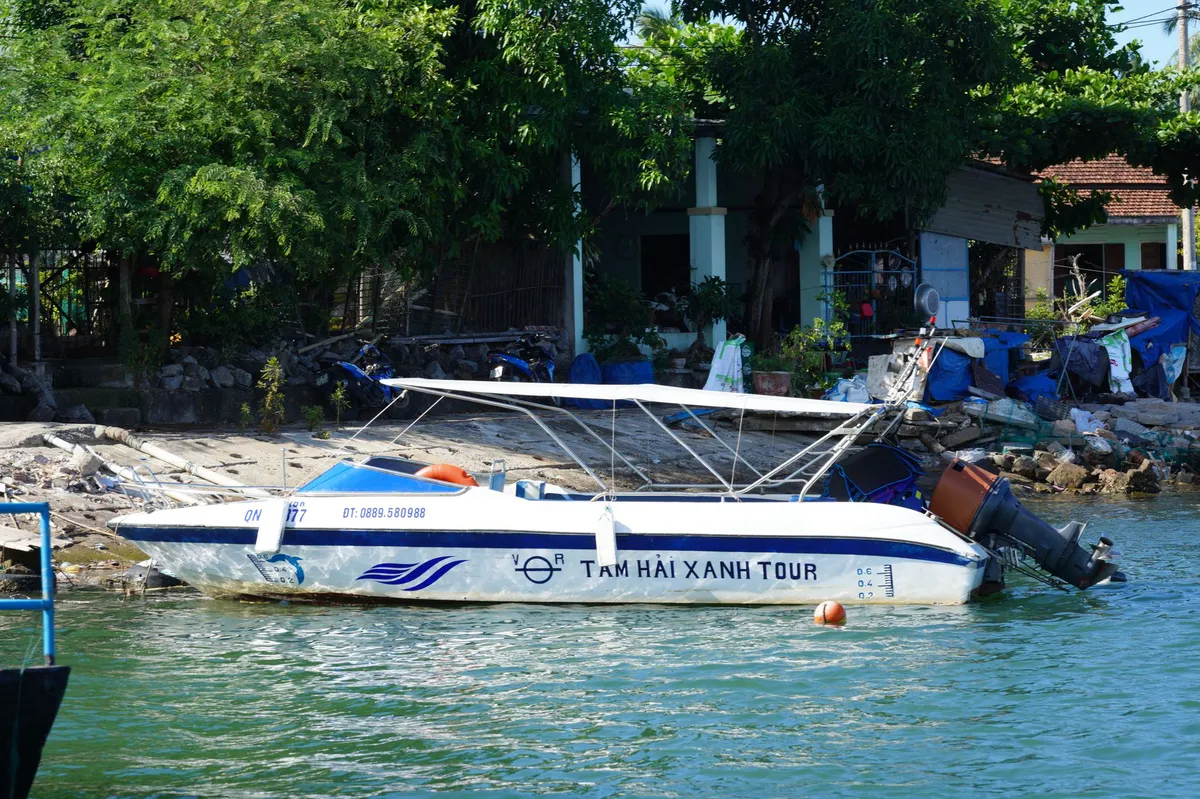
In a devastating incident off the coast of southern Vietnam, a speedboat carrying Indian tourists capsized, resulting in the loss of 15 lives. The tragedy unfolded as the vessel was returning from an island excursion, highlighting both the risks associated with maritime travel and the urgent need for enhanced safety regulations in tourist hotspots.
The speedboat was reportedly transporting 32 Indian tourists and four crew members when it overturned approximately 400 meters from Hon May Rut Ngoai Island, located near Phu Quoc, Vietnam's largest island. Eyewitness accounts describe chaotic scenes as nearby vessels rushed to assist, pulling passengers from the turbulent waters amidst harsh weather conditions.
Details of the Incident and Immediate Rescue Efforts
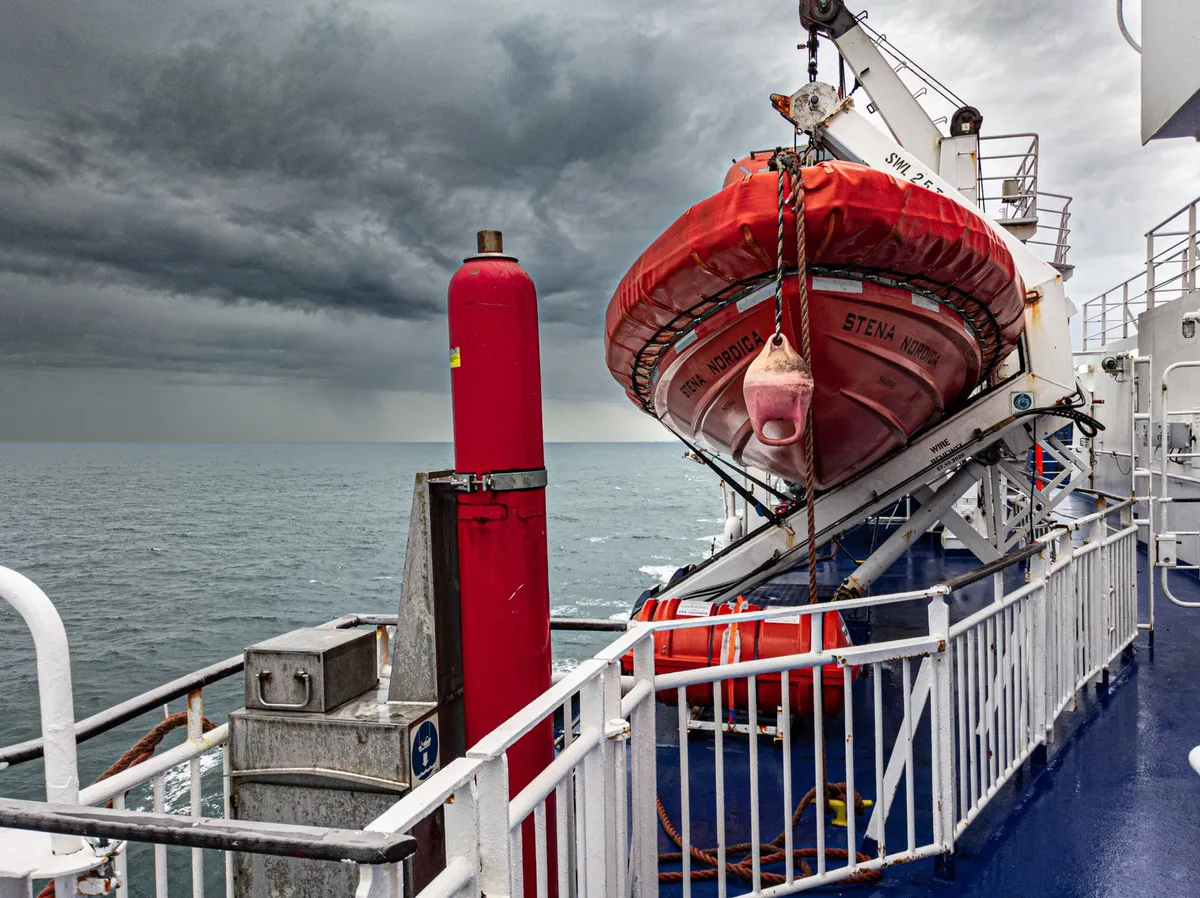
Survivors' accounts detail the harrowing moments as the speedboat capsized, with many individuals trapped inside. Local eyewitnesses reported that rescue operations were complicated by rough sea conditions and strong winds. Nearby boats quickly mobilized to save those in distress, while rescue teams from the navy, coast guard, and border patrol arrived shortly thereafter.
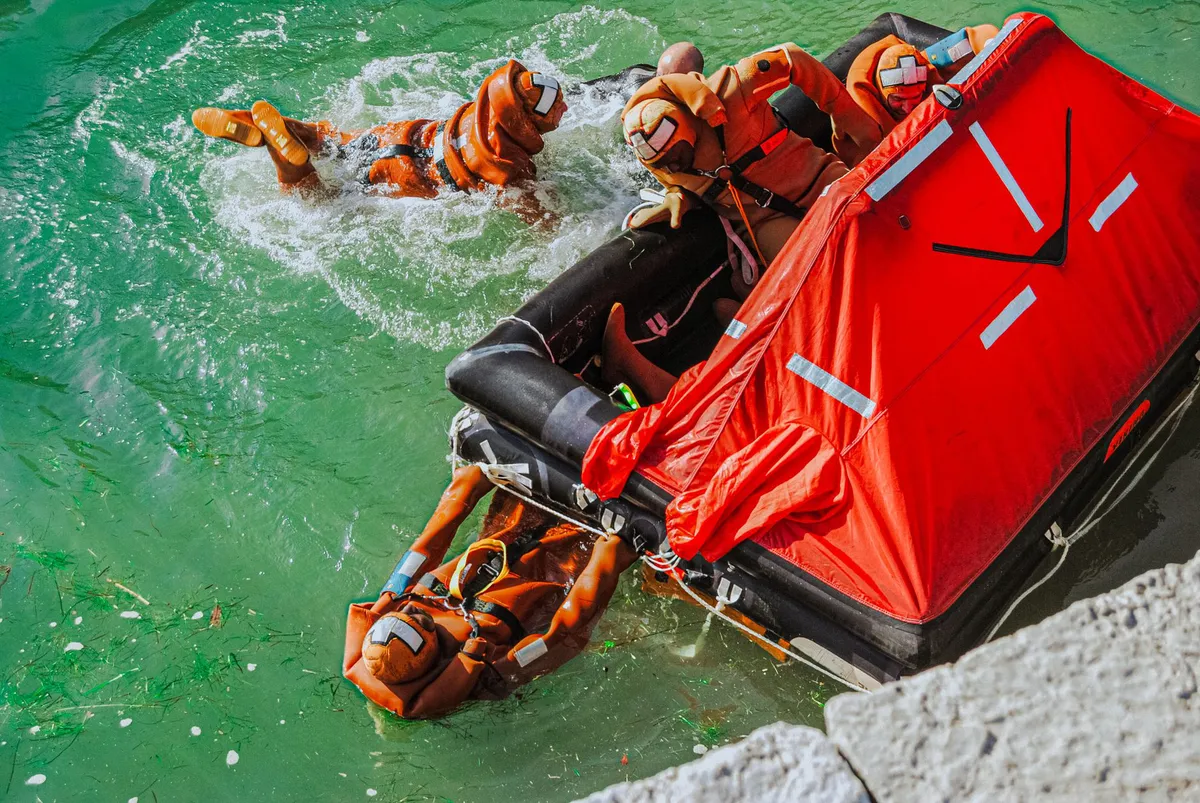
Ultimately, 21 people were rescued, and all deceased victims were recovered from the site. The injured were promptly transported to hospitals for medical care. Footage broadcasted on Vietnamese television depicted the rescue teams in action, using jet skis to ferry survivors back to shore while beachgoers provided immediate first aid to the victims.
Government Response and Investigation
The Vietnamese government has responded swiftly to this tragedy, with Prime Minister Le Minh Hung ordering an investigation into the circumstances surrounding the capsizing. He emphasized the necessity of holding accountable any parties deemed responsible for the accident. Furthermore, the Prime Minister called for a comprehensive review of waterway and maritime safety protocols in the region, which is frequented by millions of tourists annually.
In parallel, Indian Prime Minister Narendra Modi expressed his condolences, noting that the victims were employees of a private mobile phone company attending an annual meeting. The Indian Embassy has been actively involved, with personnel dispatched to the scene to assist.
Understanding the Context: Tourism and Maritime Safety
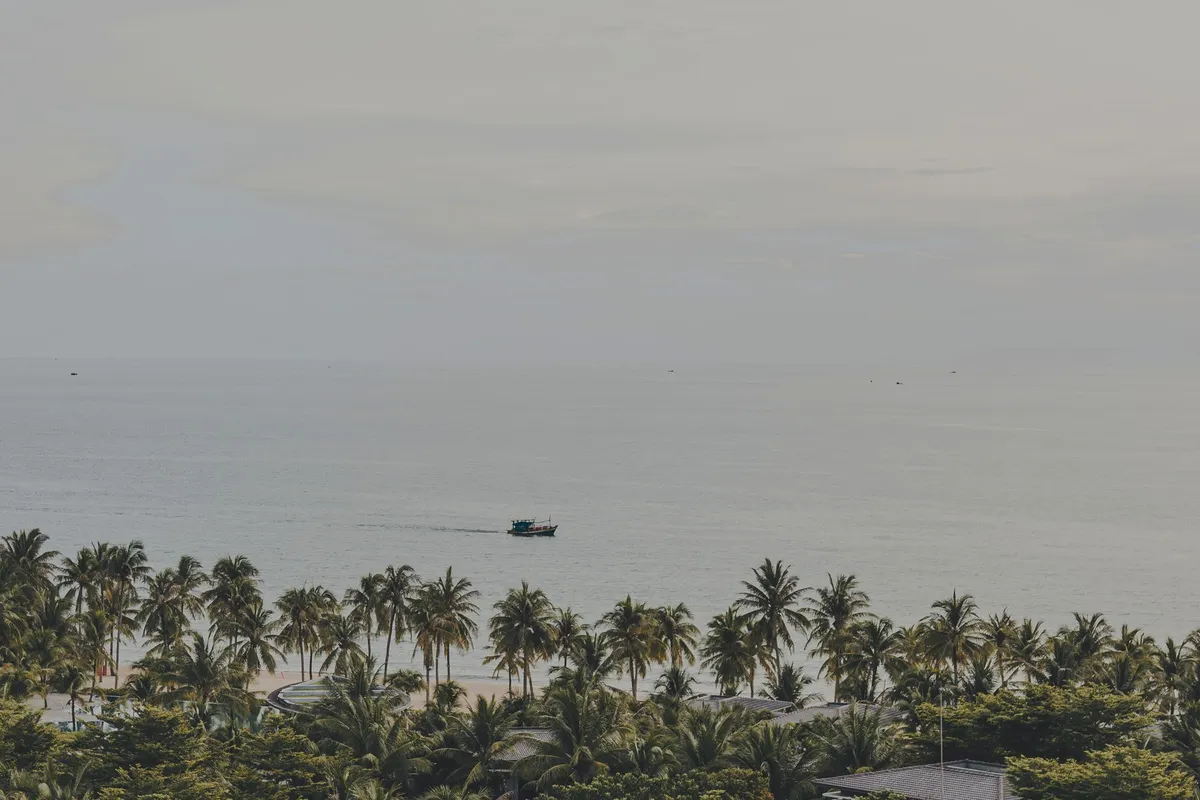
Phu Quoc Island, situated in the Gulf of Thailand, is renowned for its stunning beaches and vibrant tourism industry, attracting millions of visitors each year. This incident raises critical concerns regarding the safety measures in place for maritime travel, particularly in popular tourist destinations.
Tourism is a significant sector for Vietnam's economy, contributing to job creation and foreign exchange earnings. However, with this growth comes the responsibility to ensure that safety standards are prioritized. The capsizing incident underscores the potential dangers associated with maritime excursions, particularly during adverse weather conditions.
Maritime Safety Regulations
In Vietnam, maritime safety regulations are governed by both international and national laws, aimed at ensuring the safe operation of vessels. Key components of these regulations typically include:
- **Licensing and Training**: Boat operators and crew members are often required to possess specific licenses and undergo training to handle emergencies.
- **Vessel Inspections**: Regular inspections of boats are essential to ensure they meet safety standards, including life jackets, emergency equipment, and structural integrity.
- **Weather Monitoring**: Operators should be aware of weather conditions and have protocols in place for canceling trips during severe weather.
- **Passenger Safety Briefings**: Before embarking, passengers should receive briefings on safety procedures and emergency protocols.
Broader Implications and Future Steps
The tragic loss of life in this incident not only affects the families of the deceased but also poses significant implications for the tourism sector in Vietnam. As investigations unfold, stakeholders must consider how to enhance safety measures and rebuild trust with tourists wary of maritime travel.
Furthermore, this incident may prompt international scrutiny of Vietnam's tourism safety standards, particularly as travelers become increasingly aware of their rights and safety while abroad. Tourism boards and operators must address safety concerns transparently, ensuring that they implement and communicate stringent safety protocols effectively.
Key Takeaways
- 15 Indian tourists tragically lost their lives in a speedboat accident off the coast of Vietnam.
- The Vietnamese government has initiated an investigation into the causes of the accident.
- Safety measures for maritime travel in tourist hotspots must be reviewed and reinforced.
- Tourism stakeholders need to address safety concerns to rebuild trust with travelers.
Frequently Asked Questions
What caused the speedboat to capsize?
The exact cause of the speedboat's capsizing remains unclear, and an investigation is currently underway. Factors typically considered include weather conditions, vessel integrity, and operator error. The Vietnamese government is taking this matter seriously, calling for accountability and improved safety regulations in response to the tragedy.
What are the safety regulations for tourist boats in Vietnam?
Vietnam has established various maritime safety regulations intended to protect passengers on tourist boats. These include licensing requirements for operators, mandatory safety equipment aboard vessels, regular inspections, and adherence to weather advisories. However, the effectiveness of these regulations often hinges on enforcement and compliance by operators.
How can tourists ensure their safety while traveling?
Tourists can enhance their safety by researching tour operators and checking for certifications, reading reviews, and asking about safety protocols before booking excursions. Additionally, travelers should remain vigilant about weather conditions and follow instructions from tour guides and crew members during activities.
What support is available for the families of victims?
Families of the victims may have access to support through various channels, including government assistance programs, legal recourse for wrongful death claims, and support from non-profit organizations. It is essential for families to seek guidance on available resources as they navigate this difficult time.
This article provides general information and should not be construed as legal advice.
Comments
Tragedy on the Water: The Mysterious Death of Nolan Wells
The death of 18-year-old Nolan Wells during a July 4 boat trip raises questions about safety, law enforcement, and race in Mississippi. His family seeks answers and justice.
Related articles


Popular in Personal Injury
- Hawaii Supreme Court Overturns 36-Year-Old Rape Conviction Due to Forensic Flaws
- The Impact of Pro Bono Work by BigLaw Firms in 2025
- Albertsons Faces Trial Over Role in Washington's Opioid Crisis
- The Hidden Dangers of Open Manholes in New York City
- Historic $81 Million Verdict in Utah Pedestrian Wrongful Death Case