Controversy at Florida International University: Trump Aide Appointed Interim Law Dean
The appointment of a Trump administration aide as interim dean of Florida International University's law school raises significant concerns among faculty. This article explores the implications of this move on academic integrity and governance.
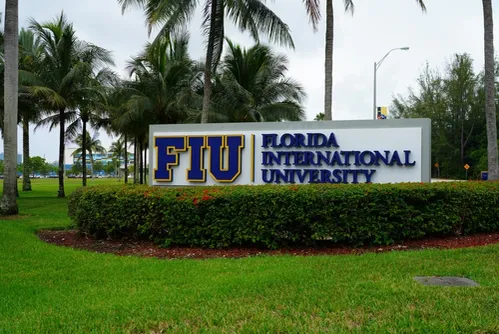
The academic landscape at Florida International University (FIU) has recently been stirred by the appointment of an aide from the Trump administration to the position of interim dean of the law school. This decision has not only raised eyebrows among faculty members but has also ignited a broader discussion about the intersection of politics, academia, and the integrity of legal education. Faculty members have expressed their concerns, viewing this appointment as a potential threat to the principles of academic freedom and governance.
As universities across the country navigate politically charged environments, the implications of such appointments can be profound. The selection of leaders in academic institutions often reflects the values and priorities of the administration, and when those leaders have ties to controversial political figures, questions arise about the direction in which the institution is headed.
The Background of the Appointment
The recent appointment of the interim law dean at FIU is emblematic of a trend where political affiliations may overshadow academic qualifications. The individual in question previously served in a high-profile position during the Trump administration, raising questions about whether their political background will influence the law school’s trajectory.
Faculty Reactions
In light of this appointment, a group of FIU faculty members has voiced their concerns through an open letter. They argue that the appointment lacks transparency and undermines the credibility of the institution. Faculty members emphasize the importance of selecting leaders based on merit rather than political connections, advocating for a more inclusive and representative decision-making process.
- Concerns about Academic Integrity: Faculty worry that the political affiliations of the new dean may compromise the academic independence of the law school.
- Calls for Transparency: The faculty is advocating for clear criteria and processes in the selection of academic leaders.
- Impact on Student Experience: The appointment raises questions about how the dean’s political views may affect the curriculum and student learning.

Political Influence in Academia
The intersection of politics and academia is not a new phenomenon. Over the years, there have been various instances where political affiliations of university leaders have sparked debates about academic freedom and integrity. This latest development at FIU echoes similar concerns voiced at other institutions where political appointees have taken on significant roles.
The Importance of Academic Freedom
Academic freedom is a cornerstone of higher education, allowing scholars to explore ideas and conduct research without interference. However, when individuals with strong political ties are appointed to leadership positions, it can create an environment where dissenting voices may feel pressured to conform. Faculty members at FIU are concerned that the new dean’s political history could stifle open dialogue and critical discussion, essential components of a vibrant academic community.
The Role of Governance in Higher Education
Governance structures in universities play a crucial role in maintaining the integrity of academic institutions. Faculty governance is essential for ensuring that the voices of educators are heard in decision-making processes. The faculty at FIU is calling for a more robust governance framework that includes a diverse representation of viewpoints, ensuring that appointments reflect the values of the academic community.
Potential Path Forward
In light of the concerns surrounding this appointment, the faculty's call for reform could pave the way for a more transparent and inclusive governance structure at FIU. Engaging in dialogue among faculty, administration, and students can foster a collaborative environment that mitigates the risks associated with politically motivated appointments.

Key Takeaways
- The appointment of a Trump aide as interim law dean at FIU raises concerns among faculty regarding academic integrity.
- Faculty members are advocating for transparency and merit-based selection processes for leadership roles.
- The situation highlights the broader issue of political influence in academia and its potential impact on educational environments.

Frequently Asked Questions
What are the main concerns of FIU faculty regarding the interim law dean appointment?
FIU faculty are primarily concerned that the appointment of a Trump administration aide could undermine academic integrity and independence. They fear that political affiliations might influence the law school's direction and the academic freedom necessary for fostering a diverse and critical educational environment.
How can universities ensure transparency in leadership appointments?
Universities can adopt clear guidelines and criteria for selecting leaders, involving faculty and student input in the decision-making process. Establishing committees that include representatives from various academic departments can create a more democratic approach to governance, ensuring that appointments reflect the institution’s values and mission.
What impact might politically affiliated leaders have on student education?
Politically affiliated leaders may inadvertently shape the curriculum and academic discourse within the institution. Students might encounter a bias in the educational content and discussions, which could affect their ability to engage with a wide range of perspectives. It is crucial for universities to promote a balanced and diverse academic environment to prepare students for real-world challenges.
What steps can faculty take to advocate for their concerns?
Faculty can organize collective actions, such as open letters and meetings, to voice their concerns regarding leadership appointments. Engaging in discussions with administration and advocating for clearer governance policies can empower faculty and create a more equitable decision-making process within the institution.
Disclaimer: The content is general information and not legal advice.
Comments
Federal Judges' Home Addresses Exposed: Implications for Safety and Privacy
A recent report highlights the troubling accessibility of federal judges' home addresses online, raising concerns about safety and privacy in the judiciary. This article explores the potential risks and legal ramifications of this disclosure.

Related articles
Popular in Employment Law
- TidalHealth Faces Discrimination Lawsuits Amid Allegations of Retaliation
- Understanding College Football Eligibility: Key Issues and Recent Developments
- Understanding Employee Mental Health Obligations in Franchise Workforces
- Sixth Circuit Ruling on ACA Nondiscrimination: Implications for Nurse Anesthetists
- Court Ruling Defends Journalist in Data Center Defamation Case