DOJ's Controversial Firing: A Case of Legal Integrity vs. Celebrity Influence
A recent lawsuit against the Department of Justice reveals allegations that a lawyer was dismissed for refusing to compromise her legal principles for Mel Gibson. This case raises significant questions about ethics in law and the influence of celebrity on legal proceedings.
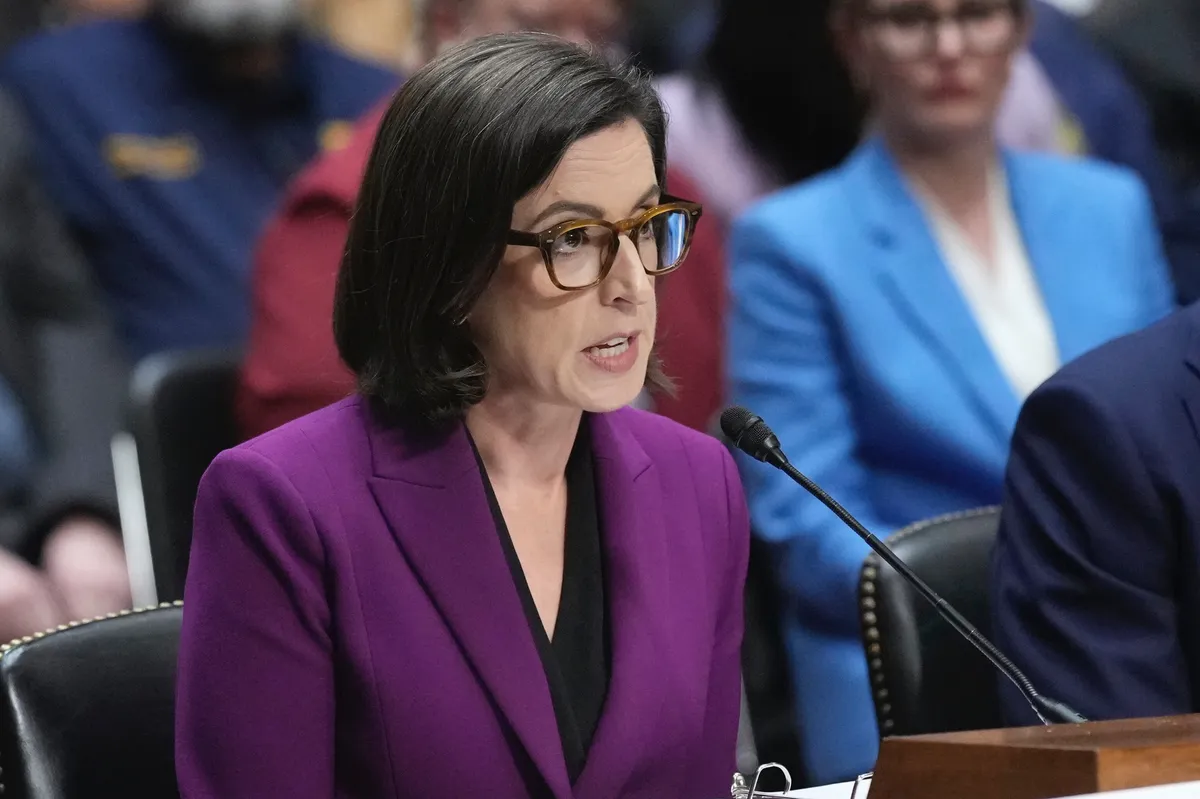
In a striking legal battle that intertwines celebrity influence with the principles of legal ethics, a former lawyer for the Department of Justice (DOJ) has filed a lawsuit claiming she was unjustly fired for refusing to bend the rules to accommodate well-known actor Mel Gibson. This dramatic case not only highlights the pressures that legal professionals may face but also raises critical questions about the integrity of the legal system when confronted with high-profile individuals.
The lawyer, whose identity has not been disclosed, asserts that her termination was rooted in her steadfast commitment to ethical standards. Allegations suggest that she was pressured to manipulate legal processes to favor Gibson, who has faced numerous controversies throughout his career. In a cultural moment where celebrity status often seems to supersede accountability, this lawsuit could serve as a pivotal point of discussion regarding the importance of maintaining ethical boundaries within the legal profession.
Background of the Case
The backdrop of this lawsuit is multi-faceted, involving the intersection of law, ethics, and celebrity culture. Mel Gibson, a prominent Hollywood figure, has a history of legal entanglements, including allegations of domestic violence and anti-Semitic remarks. His public persona has oscillated between that of a beloved actor and a controversial figure, which has inevitably influenced his legal interactions. The DOJ lawyer's claims bring to light the potential for undue influence that celebrities may exercise over legal proceedings.
According to the lawsuit, the lawyer was working on a case involving Gibson when she was allegedly instructed by her superiors to take actions that she believed compromised her legal and ethical obligations. This situation raises significant concerns about the pressure that government attorneys might face to prioritize the interests of powerful individuals over the principles of justice.
The Legal Framework: Employment Law and Whistleblower Protections
Understanding the legal context of this case requires a look at employment law and whistleblower protections. Under U.S. law, employees have the right to report unethical or illegal activities without fear of retaliation. The Whistleblower Protection Act, for example, is designed to shield federal employees who disclose information that they reasonably believe evidences a violation of laws, rules, or regulations. The lawsuit filed by the DOJ lawyer may invoke these protections, arguing that her dismissal was a direct result of her refusal to comply with unethical directives.
In employment law, the concept of “at-will employment” allows employers to terminate employees for almost any reason, but exceptions exist, especially when it comes to whistleblowing. If the court finds that the lawyer's firing was retaliatory, she could be entitled to remedies including reinstatement, back pay, and possibly damages for emotional distress or reputational harm.
The Implications of Celebrity Influence on Legal Proceedings
The allegations against the DOJ highlight broader issues within the legal system regarding the influence of celebrity status. High-profile individuals often have the resources to hire top legal talent and exert considerable pressure on legal institutions. This dynamic can lead to perceived or real inequities in how justice is administered. The lawyer's case raises questions about whether the legal system can afford to maintain its integrity in the face of celebrity influence.
Furthermore, this situation reflects a larger societal issue where public figures appear to evade accountability due to their status. The public is increasingly aware of the disparities in the legal treatment of celebrities versus ordinary citizens. As such, this case may resonate with those who feel disenfranchised by a system that seems to favor the powerful.
What This Means for Legal Professionals and the Public
The ramifications of this lawsuit extend beyond the individuals involved, touching on the ethics of the legal profession at large. Legal professionals are tasked with upholding the law while navigating the often murky waters of public opinion and media scrutiny. The case emphasizes the importance of maintaining a strong ethical foundation within legal practice, particularly in government roles where public trust is paramount.
For the public, this case serves as a reminder of the importance of accountability, not just for celebrities but also for institutions that serve the public good. It raises the question of how ordinary citizens can advocate for transparency and integrity in the legal system, especially when powerful interests are at play.
- Understanding your rights as a whistleblower is crucial for legal employees.
- The influence of celebrity status can create significant disparities in legal outcomes.
- Public trust in the legal system hinges on ethical adherence by legal professionals.
- Awareness of employment law can empower employees to stand against unethical practices.
Key Takeaways
- The DOJ lawyer's firing underscores potential ethical violations in legal practice.
- Whistleblower protections are vital for safeguarding integrity in public service roles.
- Celebrity influence can create systemic disparities in the legal system.
- Public accountability is essential for maintaining trust in legal institutions.
Frequently Asked Questions
What are the legal protections for whistleblowers in the U.S.?
In the United States, whistleblower protections are designed to safeguard employees who report illegal or unethical conduct. The Whistleblower Protection Act is a key piece of legislation that provides federal employees with the right to report misconduct without fear of retaliation. This protection extends to various forms of reporting, including internal complaints and external disclosures to relevant authorities. Employees who believe they have been retaliated against may have legal recourse to seek reinstatement and damages.
How does celebrity status affect legal proceedings?
Celebrity status can significantly impact legal proceedings in multiple ways. High-profile individuals often have access to superior legal resources and can attract media attention that may influence public perception. This dynamic can lead to a perception of preferential treatment within the legal system, creating disparities in how justice is administered. The case against the DOJ is an example of how celebrity influence can challenge the ethical standards of legal professionals.
What should I do if I believe I am facing retaliation at work?
If you believe you are experiencing retaliation at work, it's vital to document all relevant incidents and communications related to your concerns. Consult with a qualified employment attorney who can help you understand your rights and guide you through the process of filing a complaint or pursuing legal action. Whistleblower protections may apply, and an attorney can assist you in navigating these complex legal waters.
Can this case lead to changes in policy at the DOJ?
While the outcome of any legal case is uncertain, significant cases like this have the potential to influence policy changes within the DOJ and other governmental agencies. If the court finds in favor of the lawyer, it may prompt the DOJ to reevaluate its internal practices regarding the treatment of employees who report unethical conduct. Such an outcome could also inspire a broader conversation about the need for enhanced protections for legal professionals against undue influence.
This content is general information, not legal advice.
Comments
Federal Judges' Home Addresses Exposed: Implications for Safety and Privacy
A recent report highlights the troubling accessibility of federal judges' home addresses online, raising concerns about safety and privacy in the judiciary. This article explores the potential risks and legal ramifications of this disclosure.

Related articles
Popular in Employment Law
- TidalHealth Faces Discrimination Lawsuits Amid Allegations of Retaliation
- Understanding College Football Eligibility: Key Issues and Recent Developments
- Understanding Employee Mental Health Obligations in Franchise Workforces
- Sixth Circuit Ruling on ACA Nondiscrimination: Implications for Nurse Anesthetists
- Court Ruling Defends Journalist in Data Center Defamation Case