Workplace Harassment Lawsuit Filed Against San Francisco's Battery Club
A former employee of the Battery club in San Francisco has filed a lawsuit alleging years of harassment, discrimination, and retaliation. This case underscores the importance of workplace protections against discrimination based on age and disability.
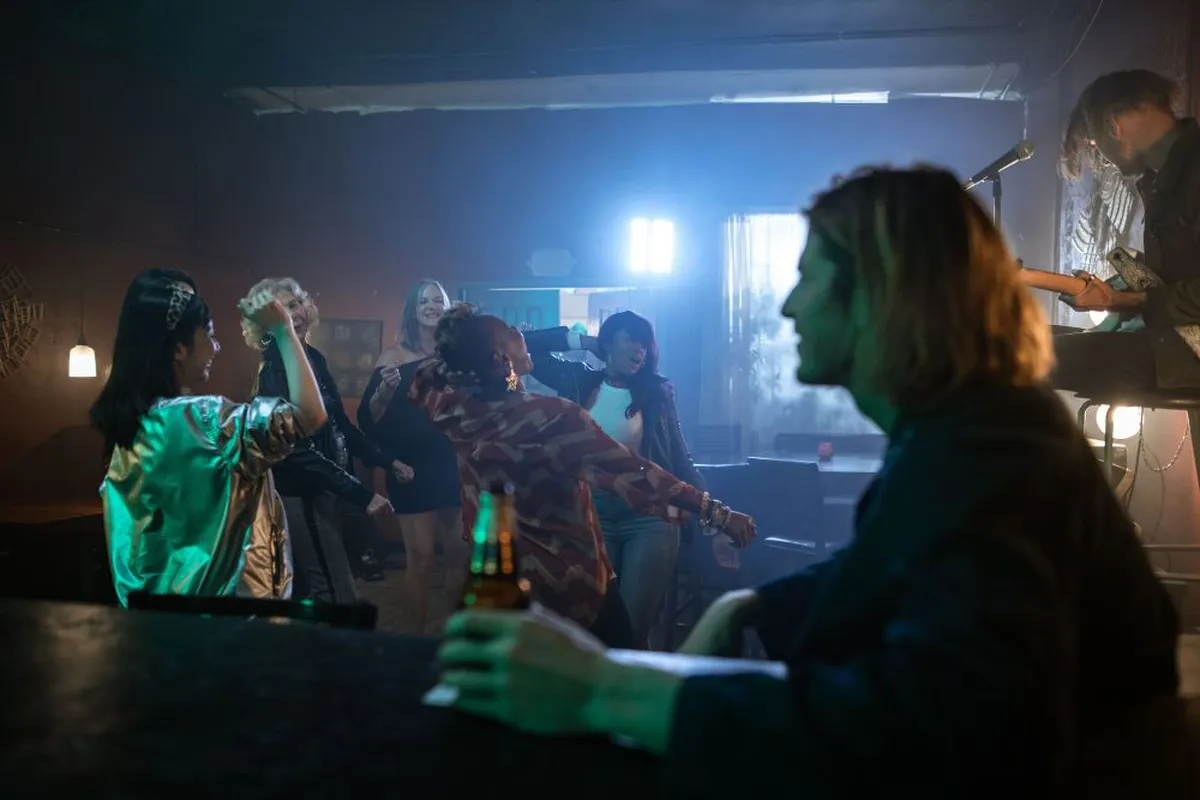
The serene ambiance of San Francisco's elite Battery club has been disrupted by serious allegations of workplace harassment and discrimination. Rene Panti, a 57-year-old employee, has filed a lawsuit against the members-only club, claiming he endured three years of mistreatment, harassment, and retaliation due to his age and physical disability. This case not only highlights the challenges faced by employees in high-stakes environments but also emphasizes the need for robust protections against workplace discrimination and harassment.
Panti's lawsuit, filed in the San Francisco Superior Court, includes 14 causes of action against the Battery. His claims paint a troubling picture of a work environment filled with derogatory remarks and unwanted physical interactions, raising questions about the accountability of employers in preventing such behavior.
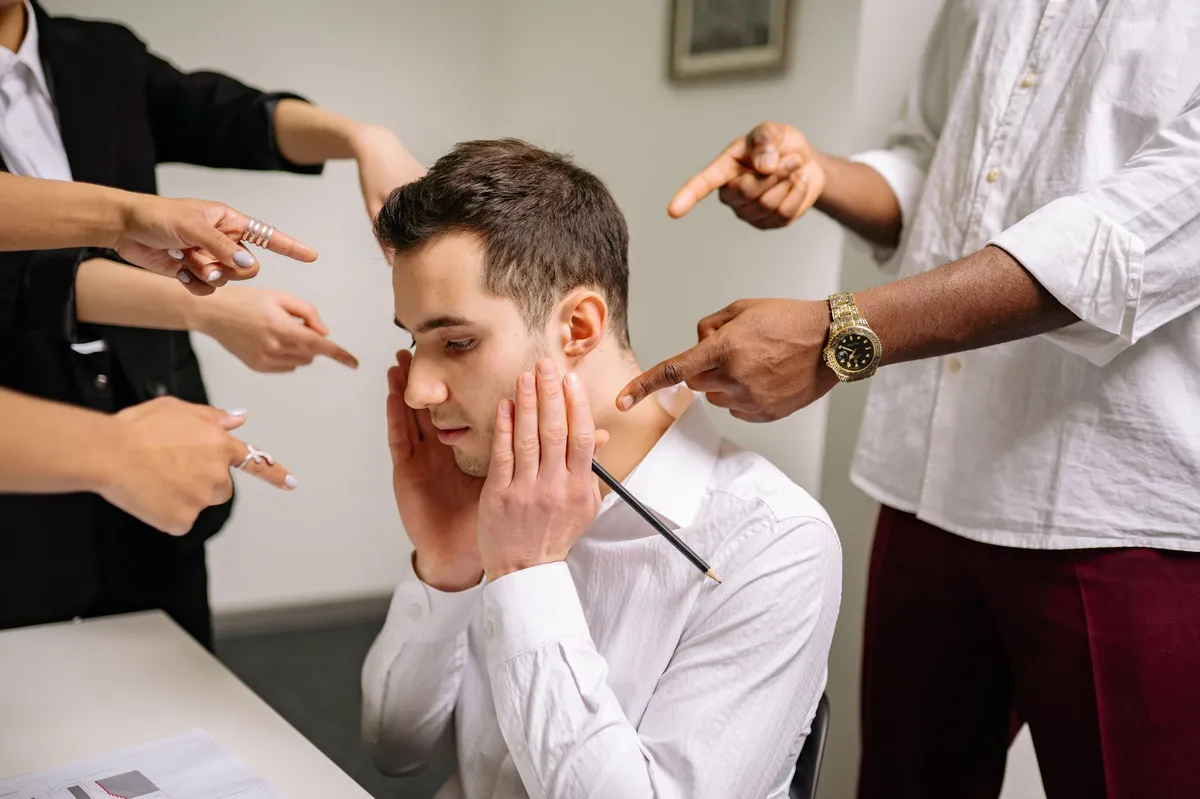
Details of the Allegations
According to the lawsuit, Panti began working at the Battery in 2021 as a dishwasher. His experiences of harassment began shortly thereafter, culminating in a hostile work environment that allegedly persisted until he filed his complaint in early 2023. The claims he has made include:
- Verbal Abuse: Panti alleges that coworkers and supervisors subjected him to consistent insults related to his age and visible congenital scoliosis.
- Sexual Harassment: The lawsuit includes claims of unwanted sexual comments and inappropriate touching, contributing to a toxic workplace culture.
- Retaliation: After supporting another employee’s allegations against management, Panti claims that the club stopped honoring necessary work accommodations related to his disability.
- Failure of Management: The lawsuit asserts that management was aware of the harassment but failed to take corrective actions, allowing a culture of discrimination to thrive.
Specific Incidents
Among the various incidents cited, one occurred during a fire drill when a manager allegedly referred to Panti as a “useless old man” and made crude comments about his sexual function in front of other employees. This incident exemplifies the open hostility Panti faced in his workplace, suggesting a broader pattern of discriminatory behavior. Furthermore, it is alleged that some inappropriate interactions may have been recorded by the club's security cameras, potentially providing evidence for Panti's claims.

The Impact on Panti's Health
As outlined in the lawsuit, the continuous harassment took a significant toll on Panti's mental health. He reported experiencing anxiety attacks at work, some severe enough to necessitate an overnight hospital stay. The cumulative effect of the workplace environment reportedly exacerbated his existing health issues, raising critical concerns about the organization's responsibility to provide a safe working atmosphere.
Accommodations and Retaliation
Panti's lawsuit also addresses the issue of workplace accommodations for his disability. Initially, the Battery had provided accommodations for his lifting restrictions, but these were allegedly rescinded after he supported another worker's claims against management. This raises important questions about the legal protections in place for employees with disabilities and the ramifications of workplace retaliation.
Legal Context and Potential Consequences
The allegations against the Battery club open a broader discussion about workplace harassment laws in the United States. Under both federal and state laws, employees are protected from discrimination based on age, disability, and other characteristics. The Americans with Disabilities Act (ADA) and the Age Discrimination in Employment Act (ADEA) provide frameworks for employees to seek justice when they face discrimination or harassment.
In cases like Panti's, if the court finds the Battery liable, the club could face significant financial repercussions, including:
- Compensatory Damages: For lost wages and medical expenses incurred due to the alleged harassment.
- Punitive Damages: Intended to punish the Battery for its actions and deter similar conduct in the future.
- Policy Changes: A potential requirement to implement new training and policies to prevent future incidents of discrimination and harassment.
Employer Accountability
Employers are legally obligated to provide a safe working environment free from harassment and discrimination. This means taking immediate and effective action in response to complaints, conducting thorough investigations, and ensuring that employees feel supported. The outcome of Panti's lawsuit could set a precedent for how similar cases are handled in the future, highlighting the importance of corporate accountability.
Battery Club's Response
In response to the lawsuit, Battery General Manager Frank Kawecki has publicly stated that the club plans to defend itself vigorously. He contends that the complaint presents a one-sided narrative that overlooks the club's internal investigations and responses to Panti's concerns during his employment. Kawecki emphasized that Panti remains employed by the club, suggesting that the allegations may not reflect systemic issues within the organization.
Despite these assertions, the lawsuit's serious nature raises essential questions about the culture within the Battery and the steps taken to protect employees from harassment and discrimination. As the case unfolds, both the Battery and Panti will be under scrutiny, and the public will be watching to see how the legal system addresses these serious allegations.
Key Takeaways
- Panti accuses the Battery club of years of harassment and retaliation based on age and disability.
- The lawsuit includes claims of verbal abuse, sexual harassment, and failure to provide necessary workplace accommodations.
- Legal protections exist under federal and state laws for employees facing workplace discrimination.
- The outcome could influence how similar harassment cases are managed in the future.
- Employer accountability is crucial for maintaining a safe and respectful workplace.
Frequently Asked Questions
What are the legal protections against workplace harassment in the U.S.?
In the United States, employees are protected from workplace harassment under various federal and state laws, including Title VII of the Civil Rights Act, the Americans with Disabilities Act (ADA), and the Age Discrimination in Employment Act (ADEA). These laws prohibit discrimination based on race, color, religion, sex, national origin, age, and disability, ensuring that employees can work in an environment free from harassment and discrimination.
What should an employee do if they experience workplace harassment?
If an employee experiences workplace harassment, they should document the incidents thoroughly, including dates, times, witnesses, and descriptions of the behavior. Reporting the harassment to a supervisor or human resources department is a critical step, as employers are legally obligated to investigate complaints and take appropriate action. If the issue persists, seeking legal counsel may also be necessary to explore options for filing a lawsuit or a formal complaint with relevant government agencies.
What are possible outcomes of a workplace harassment lawsuit?
Outcomes of a workplace harassment lawsuit can vary widely. If the plaintiff prevails, they may receive compensatory damages for lost wages and medical expenses, punitive damages aimed at punishing the employer, and orders for the employer to change policies or practices. Sometimes, cases are settled out of court, leading to financial compensation without admitting liability on the part of the employer.
How can employers prevent workplace harassment?
Employers can take several proactive steps to prevent workplace harassment, including implementing comprehensive training programs for all employees, establishing clear reporting procedures for complaints, and fostering an inclusive and respectful workplace culture. Regularly reviewing and updating policies on harassment and discrimination, as well as encouraging open communication, are also critical in ensuring that employees feel safe and supported.
This content is general information and not legal advice.
Comments
California Student Athletes' Fight for NIL Rights Hits Legal Roadblock
A recent court ruling dismisses a lawsuit challenging restrictions on student athletes' ability to profit from their name, image, and likeness, raising questions about the future of NIL rights in high school sports.

Related articles
Popular in Employment Law
- TidalHealth Faces Discrimination Lawsuits Amid Allegations of Retaliation
- Understanding College Football Eligibility: Key Issues and Recent Developments
- Understanding Employee Mental Health Obligations in Franchise Workforces
- Sixth Circuit Ruling on ACA Nondiscrimination: Implications for Nurse Anesthetists
- Court Ruling Defends Journalist in Data Center Defamation Case