California Student Athletes' Fight for NIL Rights Hits Legal Roadblock
A recent court ruling dismisses a lawsuit challenging restrictions on student athletes' ability to profit from their name, image, and likeness, raising questions about the future of NIL rights in high school sports.

In a significant legal setback for high school athletes in California, a federal judge has dismissed a class-action lawsuit aimed at challenging the California Interscholastic Federation (CIF) restrictions on student athletes' ability to profit from their name, image, and likeness (NIL). The ruling raises critical questions about the rights of young athletes and the broader implications for high school sports across the country.
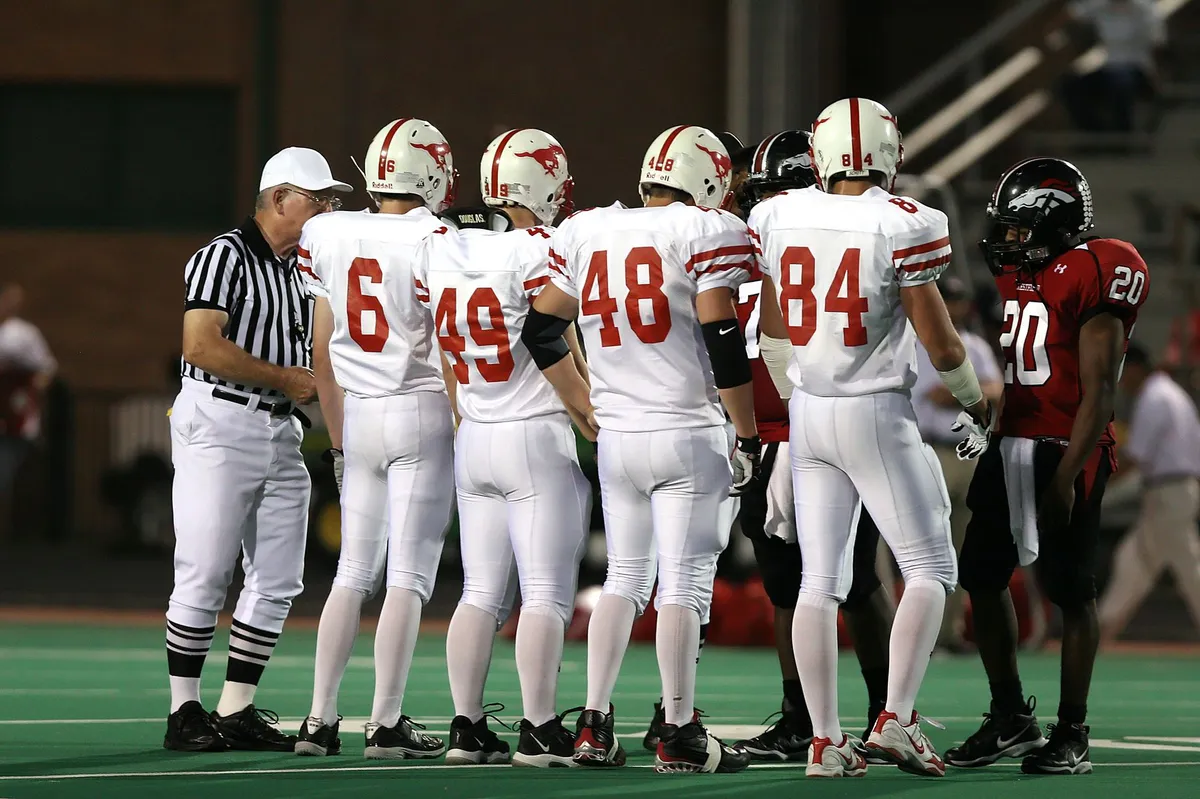
Patrick Hall, a former varsity football player at Mater Dei High School in Santa Ana, serves as the face of this legal battle. Hall's experience highlights a pervasive issue: although he contributed to his school's promotional materials and athletic success, he was legally barred from receiving any financial compensation due to CIF rules that tightly regulate student athletics. This legal framework effectively prevents athletes from monetizing their personal brand while associated with high school sports.
The Legal Landscape of High School Athletics
The CIF governs interscholastic sports for California high schools, imposing various regulations intended to maintain a level playing field and uphold the amateur status of student athletes. However, these regulations have come under scrutiny as the landscape of college and professional athletics evolves, particularly with the recent introduction of NIL rights at the collegiate level. Despite these advancements, high school athletes still find themselves in a legal quagmire where their potential to profit from their likeness is largely stifled.
Understanding the CIF's Regulations
The CIF's restrictions on NIL rights stem from a broader philosophy that emphasizes amateurism in high school sports. Among these rules are stringent caps on athletic awards and limitations on athlete transfers between schools. These regulations are defended under the state-action immunity doctrine, established in the landmark case Parker v. Brown, which protects certain state-imposed regulations from federal antitrust scrutiny. U.S. Magistrate Judge Laurel Beeler has upheld this doctrine, recently ruling that the CIF's rules, including those governing NIL licensing, are shielded from legal challenges.
The Dismissal of the Lawsuit
The class-action lawsuit initially aimed to challenge nearly all restrictions imposed by the CIF, focusing heavily on the NIL licensing rule. However, Judge Beeler dismissed the case, citing two primary reasons. First, she found that the plaintiffs failed to adequately define a plausible market that could support their antitrust claims. The athletes attempted to delineate the market by narrowing their focus to California varsity athletes and proposing submarkets for individual sports. However, Beeler was not convinced that a distinct NIL market for California high school athletes could exist separately from those in other states or across different sports.
Market Definition Challenges
One of the core issues that plagued the lawsuit was the plaintiffs' inability to establish a clear connection between the CIF's NIL rule and the economic harm they alleged. Beeler pointed out that the injuries claimed by the athletes were not directly attributable to the NIL restrictions but were instead a consequence of other existing regulations that limit athlete compensation. The court's analysis highlighted the complexity of defining market boundaries in a landscape where amateurism and established regulations play a significant role.

Implications for Student Athletes
The ramifications of this ruling extend beyond the immediate case. High school athletes across the country are watching as the legal landscape around NIL rights continues to evolve. The decision underscores the challenges faced by student athletes in advocating for their rights within a system that has historically prioritized amateurism over individual financial opportunities. The ruling also raises questions about whether high school athletes will ever gain the same rights as their collegiate counterparts, who have recently begun to capitalize on NIL opportunities.
Future Legal Options
In her ruling, Judge Beeler did leave the door open for the plaintiffs to potentially revive their case by pursuing a more focused argument centered around the market for school-affiliated NIL licensing. However, this new theory would need to be distinct from the previously rejected labor-market and broadcast-NIL theories. This nuanced approach could allow the plaintiffs to explore specific avenues for compensation that align closely with the CIF's regulations, potentially paving the way for future challenges against the status quo.
Key Takeaways
- Legal Challenges Persist: The recent court ruling demonstrates the ongoing legal challenges faced by student athletes seeking to profit from their NIL rights in California.
- CIF's Rules Under Scrutiny: The CIF's regulations are heavily scrutinized, particularly as the broader sports landscape shifts toward greater athlete compensation.
- Future of NIL Rights: The outcome of this case could influence the future of NIL rights and compensation for high school athletes nationwide.
- Potential for New Arguments: Plaintiffs may have the opportunity to revise their legal strategy to focus on more specific NIL licensing markets.
Frequently Asked Questions
1. What are NIL rights, and why are they important for student athletes?
NIL rights refer to the legal ability for athletes to monetize their name, image, and likeness. For student athletes, these rights are crucial as they represent an opportunity to earn income and gain financial independence, especially in a landscape where college athletes are now allowed to profit from their personal brands. The fight for NIL rights is particularly important as it challenges the traditional amateurism model that has long governed high school and college sports.
2. How does the CIF's NIL rule affect high school athletes?
The CIF's NIL rule restricts high school athletes from licensing their likeness when tied to school-related activities, effectively preventing them from earning compensation for their participation in sports. This means that even if an athlete is featured in promotional materials or broadcasts, they are not entitled to any financial gain, which could significantly impact their ability to benefit from their hard work and talent.
3. What are the implications of the court's ruling for future legal actions?
The court's dismissal of the lawsuit serves as a reminder of the significant hurdles that student athletes face when seeking to challenge established regulations. However, the possibility for the plaintiffs to revise their legal arguments could pave the way for future challenges. It highlights the necessity for a well-defined legal strategy that addresses the specific nuances of the CIF's regulations and the economic realities faced by student athletes.
4. What can student athletes do to advocate for their NIL rights?
Student athletes can take several steps to advocate for their NIL rights, including forming or joining advocacy groups that focus on athlete compensation and rights. Engaging with legal experts who specialize in sports law can also provide valuable insights into navigating the complex regulatory landscape. Additionally, staying informed about changes in legislation and participating in discussions around athlete rights can help amplify their voices in this ongoing battle for fair compensation.
Comments
Workplace Harassment Lawsuit Filed Against San Francisco's Battery Club
A former employee of the Battery club in San Francisco has filed a lawsuit alleging years of harassment, discrimination, and retaliation. This case underscores the importance of workplace protections against discrimination based on age and disability.

Related articles
Popular in Employment Law
- TidalHealth Faces Discrimination Lawsuits Amid Allegations of Retaliation
- Understanding College Football Eligibility: Key Issues and Recent Developments
- Understanding Employee Mental Health Obligations in Franchise Workforces
- Sixth Circuit Ruling on ACA Nondiscrimination: Implications for Nurse Anesthetists
- Court Ruling Defends Journalist in Data Center Defamation Case