Duke Law Faces Federal Scrutiny Over Racial Discrimination Allegations
The Department of Justice has launched an investigation into Duke Law School, focusing on allegations of racial discrimination in admissions practices. This article delves into the implications of these allegations for the institution and its stakeholders.
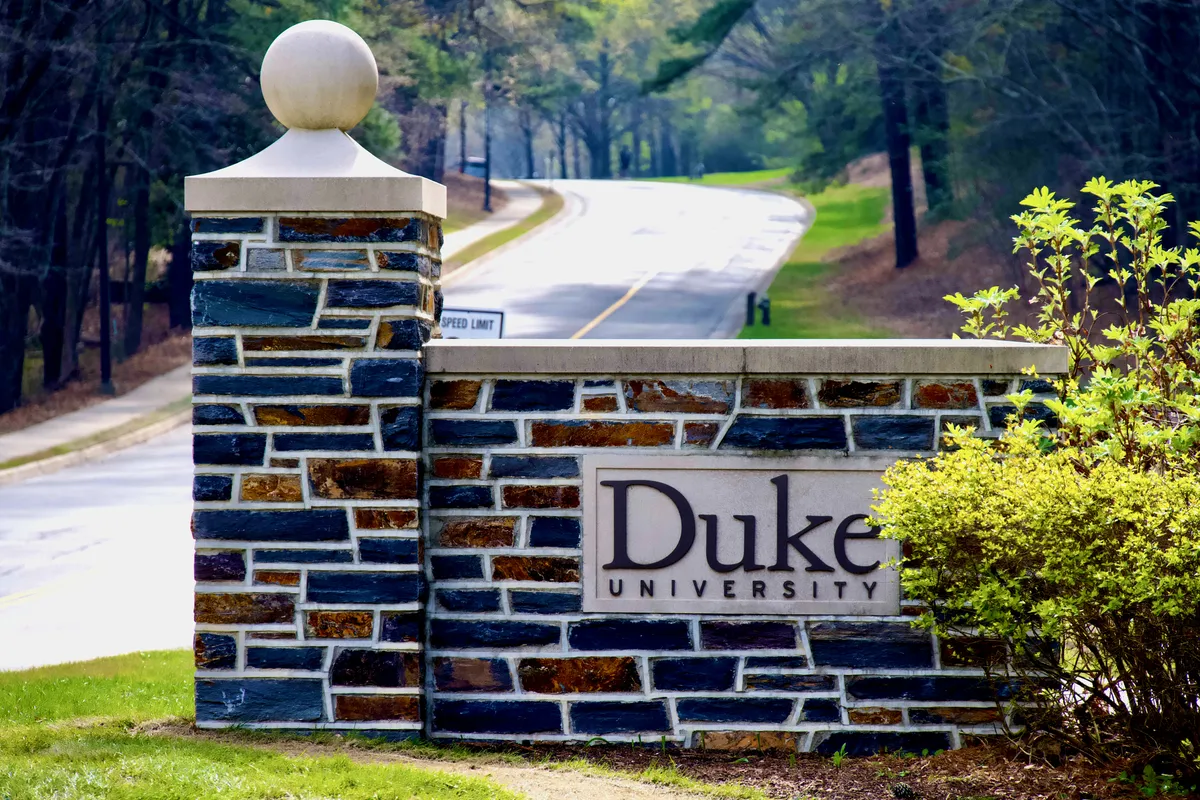
The legal landscape of higher education is often fraught with complex issues, particularly regarding the balance of diversity and merit in admissions processes. Recently, Duke University School of Law found itself at the center of controversy when the Department of Justice (DOJ) announced an investigation into allegations of racial discrimination within its admissions practices. This scrutiny not only raises questions about the integrity of Duke Law's policies but also highlights broader issues of equity in legal education across the United States.
At the heart of the DOJ’s inquiry are claims that Duke Law’s admissions process may favor certain racial or ethnic groups over others, potentially violating federal civil rights laws. Such allegations have significant ramifications for the university, its students, and the legal profession as a whole. As the investigation unfolds, it is crucial to understand the context of these claims, the legal framework surrounding them, and their potential impact on future admissions policies.
The Context of the Allegations
Accusations of racial discrimination in higher education are not new, but they have garnered increased attention in recent years amid national discussions on race and equity. The DOJ’s involvement signals a serious examination of Duke Law’s practices, which could set a precedent for how similar cases are handled in the future.
Understanding the Admissions Process
Law schools, including Duke Law, typically consider a variety of factors during their admissions processes. These can include academic performance, standardized test scores, personal statements, letters of recommendation, and diversity factors. The intention behind considering diversity is to foster a more inclusive environment that reflects the society in which students will eventually practice law.
However, critics argue that when diversity goals overshadow merit-based assessments, it can lead to discrimination against applicants from certain racial groups. The DOJ's investigation will likely scrutinize how Duke balances these competing interests.

Legal Framework Surrounding Discrimination Claims
The legal framework for addressing discrimination claims in education is robust, rooted in several key federal laws, including the Civil Rights Act of 1964. This act prohibits discrimination based on race, color, religion, sex, or national origin in programs receiving federal financial assistance. Duke University, as an institution that receives federal funds, is subject to these regulations.
The investigation will analyze whether Duke Law's admissions policies and practices disproportionately disadvantage applicants based on their race, which would constitute a violation of Title VI of the Civil Rights Act. A finding of discrimination could result in significant consequences, including the loss of federal funding or mandated changes to admissions processes.
The Role of the DOJ
The DOJ has the authority to investigate and enforce civil rights laws. Its involvement in this case indicates that the allegations are serious enough to warrant federal scrutiny. The department’s findings will be pivotal in determining whether Duke Law's admissions policies need reform or whether they comply with federal standards.
Implications for Duke Law and Legal Education
The implications of the DOJ's investigation extend beyond Duke Law. Should the investigation yield findings of discrimination, it could prompt other law schools to reassess their admissions policies to ensure compliance with federal laws. This could lead to a broader re-evaluation of how diversity is prioritized in legal education.
Potential Consequences for Students
For current and prospective students, the outcomes of this investigation could have far-reaching effects. If Duke Law is found to have engaged in discriminatory practices, it could harm the school's reputation and affect student recruitment. Moreover, it could influence students’ decisions on where to apply, as the perception of fairness and inclusivity in an institution's admissions process significantly impacts its desirability.
- Impact on Admissions Policies: A finding of discrimination could force Duke Law to alter its admissions criteria.
- Reputation at Stake: Ongoing investigations can tarnish the reputation of an institution, affecting its appeal to potential students.
- Broader Effects on Legal Education: Other law schools may follow suit in reassessing their admissions practices to avoid similar scrutiny.

Community Responses and Future Outlook
The response from the Duke Law community and the broader public has been varied. Some students and alumni have expressed concerns that the investigation could further polarize discussions about race and merit in law school admissions. Others view it as a necessary step toward ensuring fairness and equality in the admissions process.
Looking ahead, the outcome of the DOJ's investigation could reshape not only Duke Law's policies but also influence national conversations about diversity and inclusion in higher education. As legal institutions grapple with these complex issues, the balance between fostering diversity and maintaining meritocracy will remain a contentious topic.

Key Takeaways
- DOJ Investigation: Duke Law is under federal investigation for potential racial discrimination in admissions.
- Legal Implications: Findings of discrimination could result in significant policy changes and repercussions for the institution.
- Broader Impact: This case could influence admissions practices at law schools nationwide.
Frequently Asked Questions
What is the basis for the DOJ's investigation into Duke Law School?
The DOJ's investigation is based on allegations that Duke Law's admissions practices may disproportionately favor certain racial or ethnic groups over others, potentially violating federal civil rights laws. This inquiry seeks to ensure compliance with Title VI of the Civil Rights Act, which prohibits discrimination in federally funded programs.
What could happen if Duke Law is found to have engaged in discriminatory practices?
If the investigation concludes that Duke Law has engaged in discriminatory admissions practices, the school could face significant consequences, including the possibility of losing federal funding or being required to make substantial changes to its admissions policies. This could also lead to a broader reevaluation of how diversity is approached in legal education across the country.
How might this investigation affect current and prospective law students?
The outcomes of this investigation could impact current and prospective students by altering the perception of Duke Law's inclusivity and fairness. If the school is found to have discriminatory practices, it may deter future applicants and affect its overall reputation, thus influencing students' decisions on where to apply.
What are the broader implications for legal education if other schools are similarly scrutinized?
Should the DOJ's investigation reveal systemic issues within Duke Law's admissions practices, it could lead to increased scrutiny of similar institutions across the country. Other law schools may reassess their admissions criteria to avoid similar allegations, potentially resulting in a significant shift in how diversity and merit are balanced in legal education.
This content is general information, not legal advice.
Comments
US Job Market Faces Uncertainty Amid Declining Employment Rates
Recent data reveals a surprising dip in U.S. job numbers, with 23,000 positions lost last month, contradicting economic forecasts. While the unemployment rate decreases, concerns about labor force participation and economic indicators signal a complex landscape ahead.

Related articles

Popular in Employment Law
- TidalHealth Faces Discrimination Lawsuits Amid Allegations of Retaliation
- Understanding College Football Eligibility: Key Issues and Recent Developments
- Sixth Circuit Ruling on ACA Nondiscrimination: Implications for Nurse Anesthetists
- Understanding Employee Mental Health Obligations in Franchise Workforces
- Court Ruling Defends Journalist in Data Center Defamation Case