OpenAI Settles Discrimination Claims: A Landmark Case in Hiring Practices
OpenAI has agreed to pay $3.2 million to settle federal hiring discrimination claims by the DOJ. The settlement includes changes in recruitment practices to ensure equal access for U.S. workers.
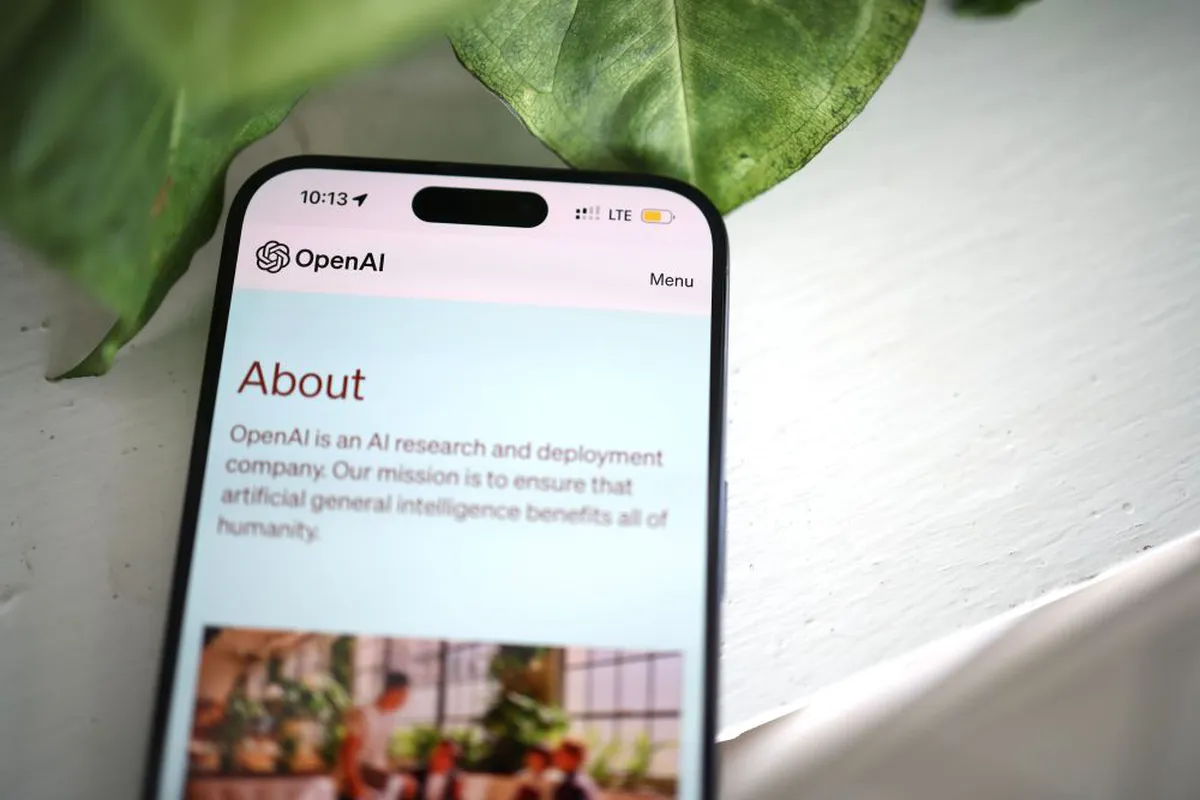
The recent $3.2 million settlement between OpenAI and the U.S. Department of Justice (DOJ) marks a significant turning point in the realm of hiring practices, particularly concerning the recruitment of U.S. citizens versus foreign workers. This case unveils serious allegations of discrimination that suggest systemic barriers were placed in the way of American job seekers, favoring foreign workers with temporary employment visas. The implications of this settlement reach far beyond OpenAI, affecting a broader audience of U.S. job seekers and potentially altering the landscape of recruitment practices across the tech industry and beyond.
Announced by the DOJ’s Civil Rights Division, the settlement follows an investigation that exposed OpenAI's preferential treatment of foreign applicants over qualified U.S. candidates. The agreement compels OpenAI to not only pay civil penalties but also to overhaul its recruitment strategies to ensure compliance with federal regulations. As companies increasingly rely on global talent, the case emphasizes the importance of fair hiring practices and the need to protect U.S. workers from discrimination.

Background of the Case
The allegations against OpenAI stem from violations of the Immigration and Nationality Act during the Permanent Labor Certification (PERM) process, which allows employers to sponsor foreign workers for permanent residency if they cannot find qualified American workers for positions. The DOJ's investigation revealed that OpenAI employed different recruitment methods for PERM positions that created unnecessary barriers for U.S. applicants.
Investigation Findings
According to DOJ officials, OpenAI deviated from its standard hiring practices in several concerning ways:
- **Limited Job Visibility**: While most job openings were advertised on the company's public careers website, positions requiring PERM certification were not.
- **Obscure Application Process**: Interested candidates could only submit paper applications through the mail, which is an outdated and less efficient method compared to electronic submissions.
- **Inaccessible Advertising**: Some job openings were advertised in late-night radio slots, making them less visible to potential U.S. applicants.
These findings indicate that OpenAI's recruitment approach for certain positions was not only inequitable but also potentially illegal, as it limited opportunities for qualified U.S. workers.

Financial and Operational Implications
The financial ramifications of this settlement are significant. OpenAI has agreed to pay **$1.2 million in civil penalties** to the federal government and establish a **$2 million back pay fund** for individuals who may have been negatively affected by its discriminatory hiring practices. Although the number of positions involved was fewer than ten, the DOJ emphasized that the financial settlement reflects the substantial value of the employment opportunities these positions represented.
Changes to Hiring Practices
As part of the settlement, OpenAI is mandated to implement a series of changes to its recruitment practices, which include:
- **Public Posting of PERM Positions**: Future PERM job openings must be posted on the company’s public careers website.
- **Electronic Application Acceptance**: The company will be required to accept electronic applications for these positions.
- **Employee Training**: OpenAI must provide training to employees involved in the hiring process to ensure compliance with federal regulations.
- **Ongoing Monitoring**: The company will be subject to federal monitoring and reporting requirements to prevent similar discriminatory practices in the future.
These changes aim to foster a more equitable recruitment environment and ensure that U.S. workers have fair access to job opportunities.

Impact on U.S. Job Seekers and Broader Implications
This settlement is a critical development in the ongoing effort to protect U.S. workers from discrimination based on citizenship status. It falls under the DOJ's **Protecting U.S. Workers Initiative**, a program aimed at enforcing laws that prohibit employers from discriminating against American workers in favor of foreign labor.
Future Investigations
The DOJ has indicated that this settlement is just one of many agreements reached under the renewed initiative, which restarted in 2025. Future investigations will continue to scrutinize hiring practices across companies to ensure compliance with federal laws. Employers found to have limited opportunities for American workers in favor of foreign applicants may face:
- Civil penalties
- Compensation payments to affected workers
- Mandatory training programs
- Increased oversight to prevent future violations
The settlement with OpenAI serves as a reminder to other companies about the importance of equitable hiring practices. Organizations must not only comply with federal laws but also prioritize transparency and fairness in their recruitment processes.
Key Takeaways
- OpenAI has settled federal hiring discrimination claims for **$3.2 million**.
- The settlement mandates changes in hiring practices to ensure **equal access** for U.S. job seekers.
- The case highlights the importance of compliance with the **Immigration and Nationality Act**.
- Future investigations will target employers who favor foreign workers over qualified U.S. candidates.
- The settlement is part of a broader initiative to protect U.S. workers from discrimination.
Frequently Asked Questions
What prompted the DOJ investigation into OpenAI's hiring practices?
The DOJ's investigation into OpenAI was prompted by allegations that the company favored foreign workers over qualified U.S. applicants during its hiring process, particularly in relation to the PERM positions. The investigation revealed discrepancies in how these positions were advertised and the application methods employed by OpenAI, leading to concerns about potential violations of federal law.
What are the consequences for OpenAI following this settlement?
Following the settlement, OpenAI is required to pay **$3.2 million**, which includes **$1.2 million in civil penalties** and the establishment of a **$2 million back pay fund**. Additionally, the company must implement significant changes to its recruitment practices, including public posting of job openings and acceptance of electronic applications for PERM positions. These measures are designed to ensure compliance with federal regulations and to promote fair access for U.S. workers in the future.
How does this settlement affect the tech industry and other employers?
This settlement serves as a cautionary tale for other employers, particularly in the tech industry, where reliance on global talent is common. It underscores the need for companies to adopt equitable hiring practices and comply with federal laws regarding discrimination based on citizenship status. Employers may want to reassess their recruitment strategies to avoid potential legal consequences and align with best practices that promote fairness and transparency.
What should workers do if they suspect discrimination based on citizenship status?
Workers who suspect they have faced discrimination based on their citizenship status should contact the DOJ’s Immigrant and Employee Rights Section for guidance on workplace protections under federal law. It is crucial for employees to understand their rights and the available legal recourse if they believe they have been unfairly denied job opportunities. Documenting all relevant interactions and maintaining records can also be beneficial in the event of a formal complaint.
This content is for general informational purposes only and should not be considered legal advice.
Comments
Duke Law Faces Federal Scrutiny Over Racial Discrimination Allegations
The Department of Justice has launched an investigation into Duke Law School, focusing on allegations of racial discrimination in admissions practices. This article delves into the implications of these allegations for the institution and its stakeholders.

Related articles

Popular in Employment Law
- TidalHealth Faces Discrimination Lawsuits Amid Allegations of Retaliation
- Understanding College Football Eligibility: Key Issues and Recent Developments
- Understanding Employee Mental Health Obligations in Franchise Workforces
- Sixth Circuit Ruling on ACA Nondiscrimination: Implications for Nurse Anesthetists
- Court Ruling Defends Journalist in Data Center Defamation Case