New Jersey AG Files Lawsuit Against Amazon Over Driver Treatment
New Jersey's Attorney General has initiated a federal lawsuit against Amazon, alleging that the company imposes unfair working conditions and pay structures on its delivery drivers. This action highlights broader concerns about Amazon's market dominance and its impact on labor rights.

In a significant legal challenge to one of the world's largest corporations, New Jersey’s Attorney General, Jennifer Davenport, has filed a federal lawsuit against Amazon, accusing the e-commerce giant of exploiting its dominant market position to impose unfair wages and working conditions on its delivery drivers. This lawsuit underscores pressing issues surrounding labor rights within the gig economy and raises critical questions about how large companies affect competitive practices in the marketplace.
The lawsuit, which spans 52 pages, articulates a compelling narrative about Amazon's monopolistic practices. Davenport asserts that the company operates as a monopsonist, a term used to describe a market situation where a single buyer (in this case, Amazon) wields significant control over the prices paid to suppliers (the delivery drivers and their employers). This control stifles competition and undermines fair labor practices, leading to a workforce that is overworked and underpaid.
The Mechanisms of Control
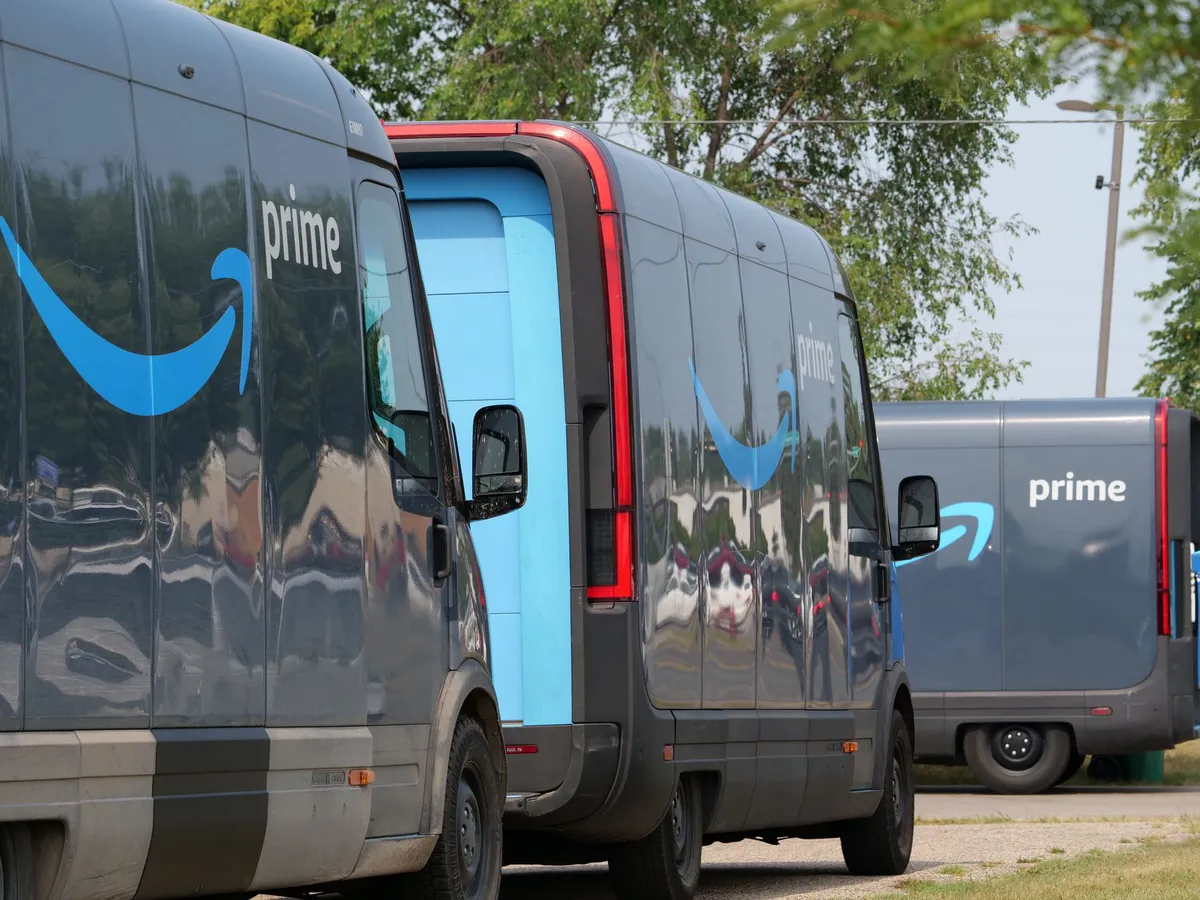
According to the lawsuit, Amazon's influence extends deeply into its network of delivery service partners, which are independent companies contracted to deliver packages. These partners, while ostensibly independent, are reportedly beholden to Amazon’s stringent demands, limiting their ability to negotiate better terms for their drivers. The AG’s complaint highlights several mechanisms through which Amazon maintains this control:
- Unionization Prevention: Amazon allegedly discourages unionization efforts among delivery drivers by threatening to terminate contracts with companies that allow such movements. For instance, a delivery service in Edison, New Jersey, warned its drivers of potential contract termination if they pursued unionization.
- No-Poach Agreements: The lawsuit claims that Amazon enforces no-poach agreements, preventing delivery companies within its network from hiring each other's drivers. This practice effectively eliminates competition for labor, keeping wages low.
- Market Manipulation: By limiting the size and bargaining power of its delivery partners, Amazon can dictate the terms of compensation and working conditions for drivers, effectively stifling any potential for improvement.

The Impact on Drivers
The implications of Amazon's practices on the lives of its delivery drivers are profound. As the lawsuit suggests, many drivers face limited job opportunities and harsh working conditions that can severely impact their quality of life. Drivers often work long hours under demanding conditions, with little recourse to improve their situation due to the monopolistic environment created by Amazon.
Case Examples
The lawsuit cites specific instances where Amazon's actions directly harmed delivery drivers. For example, the complaint references the termination of contracts in response to unionizing efforts, which led to the abrupt loss of employment for 150 drivers in Queens. Such retaliatory actions not only disrupt the lives of individual workers but also foster a culture of fear among drivers considering collective action.
Broader Legal Context
This lawsuit is not an isolated incident; it forms part of a larger tapestry of legal challenges facing Amazon. In addition to the current suit, New Jersey's Attorney General is involved in another case alongside multiple states and the Federal Trade Commission (FTC) that accuses Amazon of employing a sophisticated algorithm to manipulate prices, thereby stifling competition in the marketplace.
Moreover, the New Jersey AG has also brought attention to Amazon's treatment of pregnant workers and those with disabilities, further highlighting the company's controversial labor practices. A separate suit claims that Amazon misclassifies drivers as independent contractors, depriving them of essential benefits and legal protections that employees typically enjoy.
The Implications for the Gig Economy
The legal actions against Amazon could have far-reaching consequences not only for the company but also for the entire gig economy in the United States. As more workers find themselves classified as independent contractors—often with fewer rights and protections than traditional employees—these lawsuits may set important precedents for how gig workers are treated across various industries.
This case could influence legislation and regulatory practices regarding worker classification, wages, and safety standards, ultimately impacting millions of workers in the gig economy. If successful, the lawsuit may empower workers to advocate for better compensation and working conditions within their industries.
What to Expect Moving Forward
As the lawsuit unfolds, it will be crucial for observers to monitor the reaction from Amazon and the broader implications for labor rights and corporate governance. Legal experts suggest that the outcome could hinge on several factors, including the ability of the AG to substantiate claims of monopolistic practices and the willingness of the courts to intervene in corporate labor practices.
Moreover, the public response to these allegations could pressure Amazon to reconsider its labor policies, especially as consumer awareness around ethical business practices grows. The outcome of this case may encourage other states to pursue similar actions against large corporations, thereby reshaping the landscape of labor rights in the gig economy.
Key Takeaways
- New Jersey's Attorney General has filed a lawsuit against Amazon for alleged monopolistic practices affecting delivery drivers.
- The lawsuit claims Amazon prevents unionization and enforces no-poach agreements to control labor costs.
- Amazon's market dominance could have significant implications for labor rights in the gig economy.
- Ongoing legal actions may influence future legislation regarding worker classification and protections.
Frequently Asked Questions
What are the main allegations against Amazon in this lawsuit?
The New Jersey Attorney General alleges that Amazon engages in monopolistic practices that adversely affect delivery drivers' wages and working conditions. Key claims include preventing unionization, enforcing no-poach agreements that limit competition for drivers, and exerting undue influence over delivery service partners.
How could this lawsuit affect Amazon's business practices?
If the lawsuit results in a ruling against Amazon, the company may be compelled to alter its labor practices significantly. This could include increasing pay for delivery drivers, allowing unionization, and changing how it contracts with delivery service partners. Such changes could set precedents impacting how other companies in the gig economy operate.
What are the broader implications for workers in the gig economy?
The legal challenges against Amazon may inspire similar actions against other companies in the gig economy. A ruling in favor of workers could lead to increased protections, better wages, and improved working conditions for millions of gig workers across various sectors, fundamentally changing the landscape of labor rights in America.
What should workers do if they feel exploited by their employers?
Workers who believe they are being exploited by their employers should document their experiences and seek legal advice. They may also contact their state’s labor board or labor rights organizations for assistance. Understanding their rights and exploring options for collective bargaining or unionization can empower workers to advocate for better conditions.
*The content provided here is general information and not legal advice.
Comments
Understanding Whistleblower Protections in Illinois: Your Rights and Remedies
Illinois has strengthened its whistleblower protections, empowering workers to report illegal conduct without fear of retaliation. This article delves into the legal framework, what constitutes whistleblower activity, and the remedies available to those who face retaliation.

Related articles

Popular in Employment Law
- TidalHealth Faces Discrimination Lawsuits Amid Allegations of Retaliation
- Understanding College Football Eligibility: Key Issues and Recent Developments
- Understanding Employee Mental Health Obligations in Franchise Workforces
- Sixth Circuit Ruling on ACA Nondiscrimination: Implications for Nurse Anesthetists
- Court Ruling Defends Journalist in Data Center Defamation Case