Judicial Concerns Rise Over Targeted Social Media Posts by DHS Lawyer
Judges are voicing alarm over social media posts made by a Department of Homeland Security attorney that appear to target the judiciary, raising concerns about the integrity of the legal system. This article explores the implications of such actions and the broader impact on public trust in legal institutions.
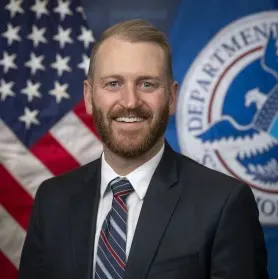
In a troubling development that underscores the contentious relationship between government agencies and the judiciary, a group of judges has formally urged a lawyer from the Department of Homeland Security (DHS) to retract social media posts that many believe undermine the integrity of the legal system. The posts in question have ignited debates about the boundaries of professional conduct for government attorneys and the potential ramifications of public disparagement of the judiciary.
The calls for retraction come amid a backdrop of increasing scrutiny of government actions and the widening chasm between public perception and the judiciary's role. This incident raises pressing questions about accountability, the influence of social media, and the extent to which government officials can express personal opinions without compromising public trust in legal institutions.
The Role of Social Media in Modern Legal Discourse
Social media has transformed the way individuals and institutions communicate. For government officials, platforms like Twitter and Facebook offer a powerful means to engage with the public. However, they also present unique challenges regarding professionalism and accountability. In the context of a government lawyer's role, the expectation is that their public statements reflect the values and integrity of the institution they represent.
Impact on Public Trust
When a lawyer representing a federal agency makes disparaging remarks about the judiciary, it can erode public trust in the legal system. The judiciary relies on the perception of neutrality and fairness, and any indication that government officials are undermining that perception can have far-reaching consequences.
Legal and Ethical Implications
Legal professionals are generally bound by ethical guidelines that govern their conduct. For instance, the American Bar Association (ABA) Model Rules of Professional Conduct stress the importance of maintaining the integrity of the profession. These rules are designed to ensure that all lawyers, including those working for government agencies, uphold the standards expected of their roles. Disparaging remarks about judges and the judicial process can be interpreted as a breach of these ethical obligations.
Potential Consequences for the DHS Attorney
The implications for the DHS attorney could be significant. If the posts are perceived as violating ethical guidelines, they could lead to disciplinary actions that range from reprimands to more severe penalties. Additionally, these posts could impact the attorney's career trajectory within the federal government, as professional reputations are critical in law-related fields.
Judicial Responses and the Call for Accountability
The judges’ response to the DHS attorney's social media activity illustrates a broader concern about the relationship between the judiciary and the executive branch. By publicly calling for the removal of these posts, the judiciary is asserting its role in maintaining the integrity of the legal process. This move highlights the necessity for accountability among those who serve in government roles, particularly when their actions have the potential to impact public perception of the justice system.
Maintaining the Separation of Powers
The principle of separation of powers is a cornerstone of the American government system. Judicial independence is vital for a balanced government and must be protected from external influences, including disparaging remarks from other branches. The actions of the DHS attorney could be viewed as an attempt to undermine this independence, raising concerns about the power dynamics at play between government branches.
What This Means for the Future of Legal Discourse
This incident may serve as a pivotal moment in discussions regarding the conduct of government lawyers and their engagement in public discourse. As social media continues to play a prominent role in shaping public opinion, the legal community must grapple with how to navigate these platforms responsibly. The potential for harm when government officials step beyond the bounds of professional respect cannot be overstated.
- Judges are advocating for the removal of damaging social media posts.
- Legal professionals are bound by ethical guidelines that prohibit disparaging remarks.
- Public trust in the judiciary is paramount for the integrity of the legal system.
- Potential consequences for the DHS attorney could include disciplinary actions.

Key Takeaways
- Judges are calling for a DHS attorney to remove social media posts targeting the judiciary.
- Ethical guidelines for lawyers emphasize maintaining respect for the judicial system.
- Public trust in the legal system is crucial and can be jeopardized by negative rhetoric.
- The incident highlights the need for accountability among government officials.

Frequently Asked Questions
What are the ethical guidelines for government attorneys regarding social media use?
Government attorneys are expected to adhere to the same ethical standards that apply to all legal professionals. This includes refraining from making disparaging comments about the judiciary or the legal process, as outlined in the American Bar Association Model Rules of Professional Conduct. Violating these guidelines can lead to disciplinary action, including reprimands or even termination.
How can social media impact public perception of the judiciary?
Social media has a powerful influence on public perception. When government officials express negative opinions about the judiciary, it can create doubt about the impartiality and credibility of the judicial system. This can lead to a loss of confidence among the public, which undermines the essential role of the judiciary in upholding the law and protecting individual rights.
What should government officials consider before making public statements?
Before making public statements, government officials should carefully consider the potential implications of their words. This includes reflecting on how their comments may be perceived by the public and the potential fallout for their careers and the institutions they represent. Engaging in respectful dialogue that maintains the integrity of their office is critical to fostering public trust.
What steps can be taken to address issues of accountability among government lawyers?
Addressing accountability among government lawyers requires a multifaceted approach, including reinforcing ethical training, promoting transparency, and ensuring that there are clear consequences for misconduct. Regular evaluations and updates to ethical guidelines can help ensure that government lawyers understand their responsibilities and the importance of maintaining the integrity of the legal system.
This article is for informational purposes only and should not be considered legal advice.
Comments
Understanding Whistleblower Protections in Illinois: Your Rights and Remedies
Illinois has strengthened its whistleblower protections, empowering workers to report illegal conduct without fear of retaliation. This article delves into the legal framework, what constitutes whistleblower activity, and the remedies available to those who face retaliation.

Related articles

Popular in Employment Law
- TidalHealth Faces Discrimination Lawsuits Amid Allegations of Retaliation
- Understanding College Football Eligibility: Key Issues and Recent Developments
- Understanding Employee Mental Health Obligations in Franchise Workforces
- Sixth Circuit Ruling on ACA Nondiscrimination: Implications for Nurse Anesthetists
- Court Ruling Defends Journalist in Data Center Defamation Case