Legal Battle Over Secret Recording: Implications for Free Speech and Accountability
A California appeals court hears a case involving a secret recording of a meeting among Los Angeles politicians. The outcome could have significant implications for the First Amendment and political accountability.
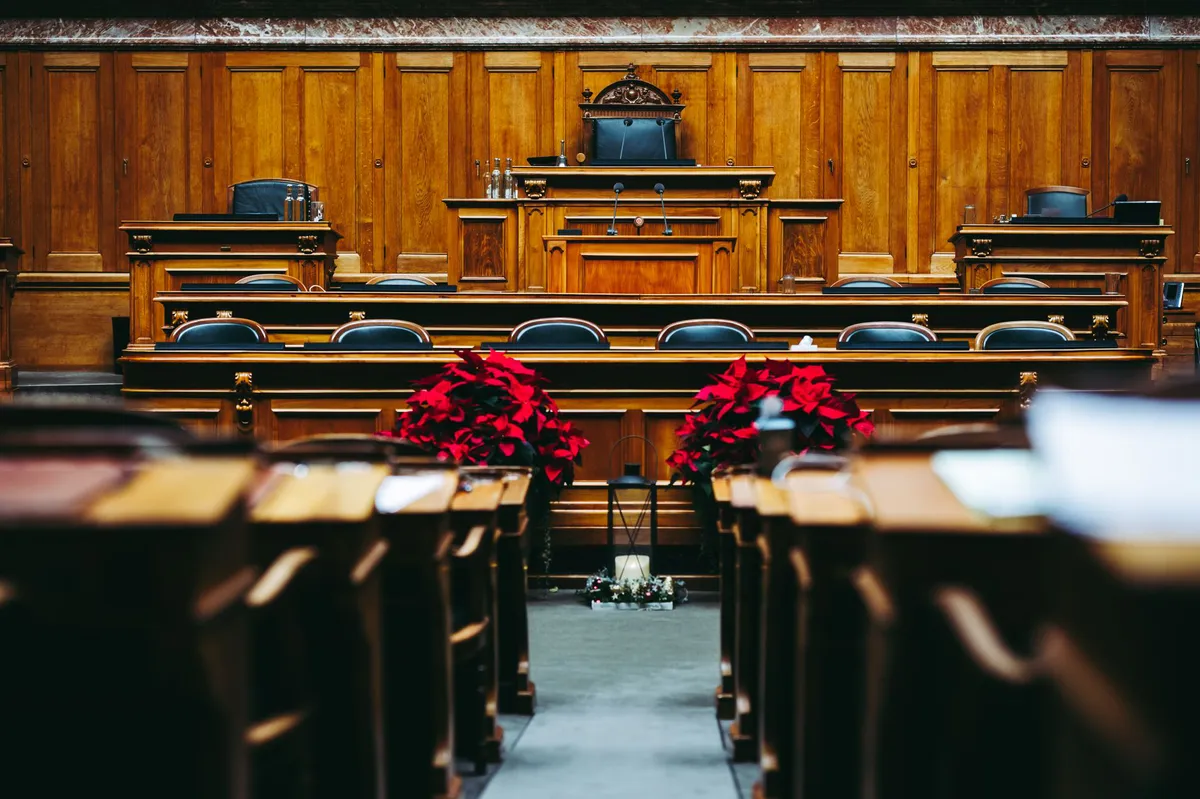
In a case that has captured public attention and stirred significant debate about free speech and political accountability, the California Court of Appeals is considering a lawsuit stemming from an infamous 2021 secret recording involving several Latino politicians in Los Angeles. The recording, which revealed crass and racist remarks during a discussion about redistricting, has led to political fallout, resignations, and a question over the legality and ethics of the recording itself.
This legal dispute centers on a lawsuit filed by former Los Angeles City Council member Kevin de León against Santos Leon and his wife, Karla Vasquez. De León alleges that the couple secretly recorded a meeting that took place at the LA County Federation of Labor, which included discussions that have since been deemed profoundly offensive and unacceptable. The implications of this case extend beyond the individuals involved, touching on critical issues surrounding the First Amendment, the nature of public discourse, and the complexities of California's anti-SLAPP (Strategic Lawsuit Against Public Participation) statute.
The Background of the Recording Incident
The meeting that led to this controversy was held in October 2021 and included key figures such as de León, then-Councilmember Gil Cedillo, and labor leaders Ron Herrera and Nury Martinez. During this 80-minute session, the politicians made derogatory comments about their colleagues, using racially charged language that ultimately catalyzed public outrage when the recording was leaked in 2022. The fallout was significant: Martinez and Herrera resigned in the wake of the scandal, while de León, despite not resigning, faced a significant defeat in his 2024 reelection bid.
Central to the case is whether the actions of Leon and Vasquez in recording the meeting can be classified as protected activity under the First Amendment. Santos Leon’s attorney has argued that the lawsuit infringes on their right to free speech, contending that the act of recording a public meeting, even if done secretly, is a form of protected expression. However, this argument is contested by de León's legal team, which maintains that the couple's actions were not in service of any public debate but rather an illicit invasion of privacy.
Legal Arguments and the Anti-SLAPP Statute
California’s anti-SLAPP statute is designed to protect individuals from lawsuits that aim to silence their free speech rights on matters of public interest. It provides a mechanism for defendants to seek early dismissal of claims that would suppress their constitutional rights. In this case, the couple's initial motions to strike the lawsuit were denied by a trial judge, leading them to appeal the decision.
During the recent appellate hearing, Assistant Justice Anne Richardson highlighted that the lawsuit focuses on the act of secretly recording the meeting rather than any subsequent discussion about it. This distinction is critical; arguments regarding the context of the recording—such as the motivations behind it or discussions held afterward—did not appear to be part of de León's complaint.
De León's attorney, Kimberly Casper, emphasized that Leon and Vasquez have denied making the recording, which undermines their claim of it being a protected activity. She argued that the timing of the leak—almost a year after the recording—suggests that it was not intended to further any public discourse but rather to serve personal agendas.
The Fallout and Broader Implications
The repercussions of this case extend beyond the courtroom. The leaked recording has raised questions about accountability among elected officials and the lengths to which individuals may go to expose misconduct. For many, the scandal serves as a reminder of the importance of transparency in political discourse and the ethical considerations surrounding the recording of private conversations.
Moreover, the case highlights the tension between free speech and privacy rights. While the First Amendment protects robust debate and expression, the circumstances under which the recording was made raise concerns about consent and the ethical implications of secretly recording conversations, particularly those involving public officials.
- Key Figures Involved: Kevin de León, Santos Leon, Karla Vasquez, Ron Herrera, Nury Martinez, Gil Cedillo.
- Key Legal Considerations: First Amendment rights, California's anti-SLAPP statute, privacy laws.
- Outcomes at Stake: Potential implications for political accountability, ethical standards in politics, future cases involving secret recordings.
Additional Legal Challenges and Developments
In addition to de León's lawsuit, Santos Leon and Karla Vasquez are facing further legal challenges. Cedillo, who also participated in the meeting, has filed a separate lawsuit against the couple and the LA Federation of Labor. The complexities of these intertwined cases illustrate the cascading effects of the original scandal, creating a web of legal battles that will likely unfold over the coming months.
As these legal proceedings continue, they will serve as a litmus test for the balance between safeguarding free speech and protecting individuals from invasive practices that could undermine the integrity of political dialogue. The outcomes could set important precedents for how similar cases are handled in the future.
Key Takeaways
- This case revolves around a secret recording of a meeting involving Los Angeles politicians that sparked widespread outrage.
- The applicability of California's anti-SLAPP statute is central to the ongoing legal arguments, with implications for First Amendment rights.
- The consequences of this case may influence future cases regarding free speech and privacy in political contexts.
- The fallout from the recording has led to resignations and has raised ethical questions about accountability in public office.
- Interconnected lawsuits may further complicate the legal landscape surrounding this case.
Frequently Asked Questions
What is the anti-SLAPP statute in California?
The anti-SLAPP statute is a legal provision in California that protects individuals from lawsuits intended to suppress their free speech rights on matters of public interest. It allows defendants to seek early dismissal of such claims, ensuring that discussions on important societal issues are not stifled by intimidating litigation.
What are the potential consequences for the politicians involved?
The politicians involved face a variety of repercussions, including political fallout, damage to their reputations, and potential legal consequences. The scandal has already resulted in resignations from key figures, and ongoing lawsuits may further complicate their political futures and legal standing.
How does this case relate to First Amendment rights?
This case directly involves First Amendment rights, as it questions the extent to which individuals can engage in secretive practices to expose misconduct in public office. The outcome could set important legal precedents regarding the balance between free expression and the right to privacy within political discourse.
Are there any criminal charges associated with the secret recording?
As of now, there have been no criminal charges filed against Santos Leon and Karla Vasquez regarding the secret recording. However, it is important to note that making secret recordings without consent is illegal in California, which raises questions about the legality of their actions and any potential criminal liability they may face in the future.
This article is for informational purposes only and does not constitute legal advice.
Comments
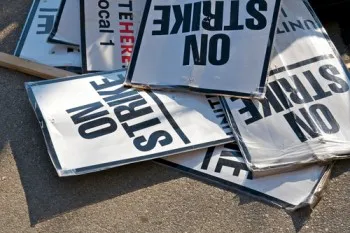
New York Public Defenders End Strike: Implications for Justice System
After a weeklong strike, New York public defenders are back to work, highlighting critical issues in the justice system. This article explores the strike's causes, its impact on legal defense, and what it means for the future of public defense.
Related articles
Popular in Employment Law
- TidalHealth Faces Discrimination Lawsuits Amid Allegations of Retaliation
- Understanding College Football Eligibility: Key Issues and Recent Developments
- Understanding Employee Mental Health Obligations in Franchise Workforces
- Sixth Circuit Ruling on ACA Nondiscrimination: Implications for Nurse Anesthetists
- Court Ruling Defends Journalist in Data Center Defamation Case