New York Public Defenders End Strike: Implications for Justice System
After a weeklong strike, New York public defenders are back to work, highlighting critical issues in the justice system. This article explores the strike's causes, its impact on legal defense, and what it means for the future of public defense.
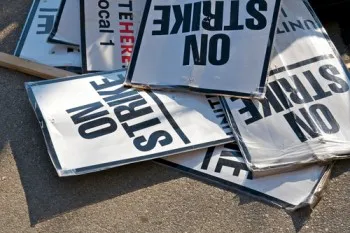
The recent weeklong strike by public defenders in New York has drawn attention to the systemic challenges facing the public defense system in the United States. By halting their work, these defenders not only advocated for better wages and working conditions but also underscored the essential role they play in ensuring justice for those who cannot afford legal representation. As they return to their posts, the outcomes of this strike hold significant implications for the rights of defendants and the broader legal landscape.
This strike was not merely about pay; it was a manifestation of long-standing frustrations regarding resource allocation, caseloads, and the overall treatment of public defenders. The legal representation provided by public defenders is a cornerstone of the American legal system, aimed at upholding the Sixth Amendment right to counsel. However, with rising demands and insufficient funding, many public defenders find themselves overwhelmed, leading to concerns about the quality of defense that indigent defendants receive.
Understanding the Strike's Background
The public defenders' strike in New York is part of a broader national conversation about the challenges facing public defense systems across the country. Public defenders are often burdened with large caseloads—sometimes representing hundreds of clients a year—while being compensated less than their counterparts in private practice. This disparity raises questions about equity in the legal system and the ability of defendants to receive fair representation.
Key Causes of the Strike
- Low Compensation: Public defenders often earn significantly less than private defense attorneys, leading to high turnover rates and burnout.
- Overwhelming Caseloads: Many public defenders handle more cases than recommended, compromising the quality of defense.
- Lack of Resources: Insufficient support staff and funding hinder the ability to prepare thorough defenses.
- Workplace Conditions: Advocating for better working conditions and support systems for mental health and well-being.
The Impact on the Justice System
The implications of the strike extend far beyond the immediate concerns of wages and conditions. A public defense system that is overworked and underfunded threatens the integrity of the entire judicial process. When defendants do not receive adequate representation, it can lead to wrongful convictions, harsher sentences, and a lack of trust in the legal system.
Defendants' Rights at Stake
For many individuals facing criminal charges, a public defender is their only option for legal representation. The right to counsel is a fundamental aspect of a fair trial, and when that counsel is stretched too thin, the risks increase. The strike highlighted the urgent need for reforms that ensure public defenders can effectively advocate for their clients, which is essential to uphold the principles of justice.

Future of Public Defense in New York
As New York public defenders return to work, there is an opportunity for meaningful change. The strike has sparked discussions among lawmakers, legal advocates, and the public about the necessity of investing in the public defense system. Potential reforms may include increasing funding, implementing caps on caseloads, and providing additional resources to public defenders.
Legislative Response
In the wake of the strike, legislators may feel pressure to address the systemic issues highlighted by the public defenders. Proposed changes could involve reallocating state funds to bolster public defense budgets, thereby ensuring that public defenders can provide effective representation without facing insurmountable challenges. Reforms may also include training programs aimed at enhancing the skills of public defenders and improving their overall working conditions.

Key Takeaways
- The New York public defenders' strike was driven by low pay, overwhelming caseloads, and inadequate resources.
- Public defenders play a crucial role in ensuring defendants receive fair representation, directly impacting the justice system's integrity.
- The strike opens the door for potential reforms that could enhance public defense services across New York and beyond.
- Legislative action may be necessary to address the systemic issues revealed by the strike and improve conditions for public defenders.
Frequently Asked Questions
What led to the public defenders' strike in New York?
The strike was prompted by a combination of low compensation, overwhelming caseloads, and inadequate resources. Public defenders in New York, like many across the country, face significant challenges in providing effective representation due to these systemic issues, leading to a decision to strike for better conditions.
How does this strike affect defendants in the criminal justice system?
The strike directly impacts defendants who rely on public defenders for legal representation. With public defenders advocating for their rights and pushing for necessary changes, the strike highlights the importance of adequate legal support, which is essential for a fair trial. The outcome of this strike may lead to improved conditions that benefit defendants in the long run.
What reforms can be expected following the strike?
Following the strike, there may be a push for legislative reforms aimed at increasing funding for public defense, implementing limits on caseloads, and providing additional resources for public defenders. These changes could significantly enhance the quality of representation that defendants receive, thereby strengthening the justice system as a whole.
Why is public defense important in the American legal system?
Public defense is vital in the American legal system as it ensures that all defendants, regardless of their financial situation, have access to legal representation. The right to counsel is a fundamental principle enshrined in the Sixth Amendment, and an effective public defense system is essential for maintaining fairness and equity in the justice system.
Comments
Legal Battle Over Secret Recording: Implications for Free Speech and Accountability
A California appeals court hears a case involving a secret recording of a meeting among Los Angeles politicians. The outcome could have significant implications for the First Amendment and political accountability.
Related articles
Popular in Employment Law
- TidalHealth Faces Discrimination Lawsuits Amid Allegations of Retaliation
- Understanding College Football Eligibility: Key Issues and Recent Developments
- Sixth Circuit Ruling on ACA Nondiscrimination: Implications for Nurse Anesthetists
- Understanding Employee Mental Health Obligations in Franchise Workforces
- Court Ruling Defends Journalist in Data Center Defamation Case