California Attorney Faces $540K Restitution for Real Estate Misconduct
In a landmark ruling, the California Supreme Court has ordered attorney Thomas John Spielbauer to pay significant restitution following his misconduct in a real estate deal. This decision highlights the evolving standards of attorney discipline and the implications for legal practitioners in California.
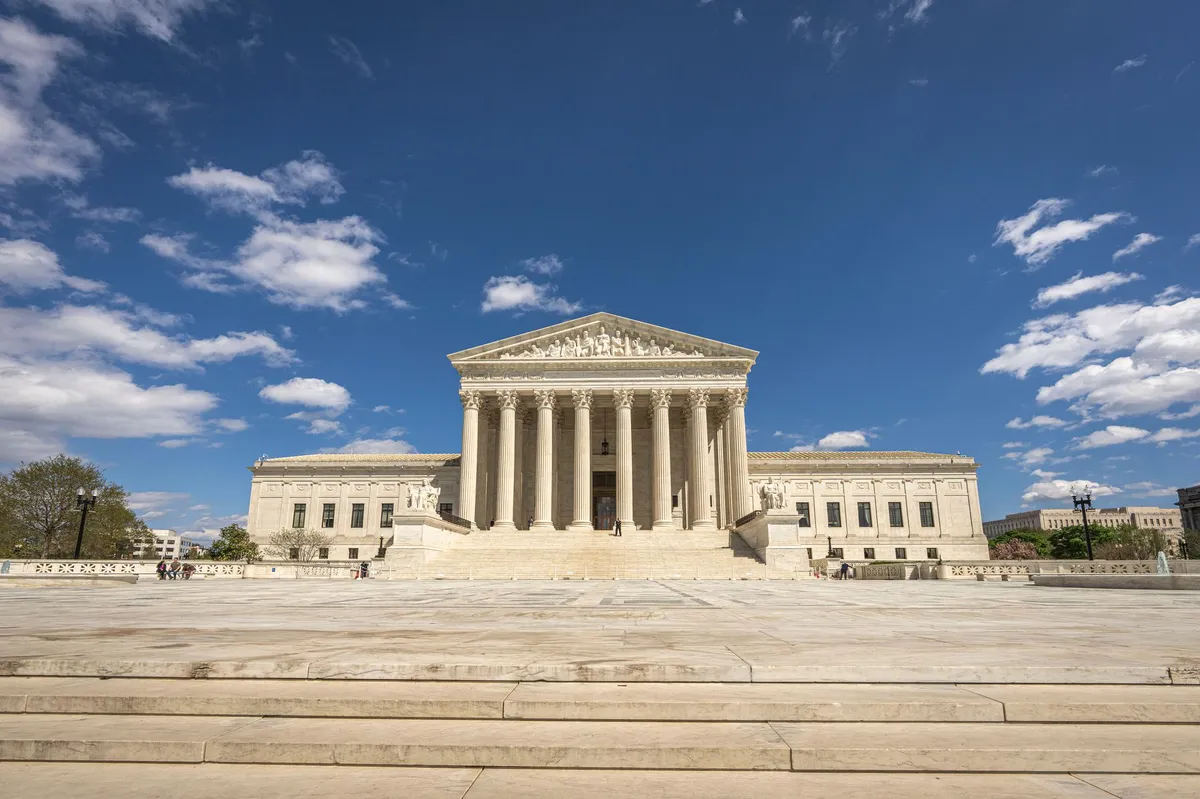
The California Supreme Court recently made a significant ruling that has the potential to reshape the landscape of attorney discipline in the state. In a unanimous decision, the court ordered attorney Thomas John Spielbauer to pay over half a million dollars in restitution to a non-client. This ruling not only serves as a punishment for Spielbauer's past misconduct but also sets a precedent regarding the responsibilities attorneys have toward victims of their actions, even when those victims are not direct clients.
At the heart of this case is a real estate transaction from 2010 involving a company called Devine Blessings, Inc., where Spielbauer served as president and sole shareholder. The case illustrates a troubling narrative of inflated demands and alleged fraud, culminating in a civil judgment against Spielbauer for over $860,000. Despite the judgment, Spielbauer declared bankruptcy and failed to pay the owed amount, prompting the state bar to intervene.

The Legal Background of the Case
The California State Bar initiated its disciplinary action against Spielbauer after discovering the civil fraud judgment. The charges included serious allegations such as fraud, moral turpitude (which refers to conduct that is contrary to community standards of justice, honesty, or good morals), and failure to report the civil fraud judgment itself. The initial hearings led to a recommendation for disciplinary measures including suspension and probation, yet the bar's review department concluded that restitution was not warranted because the aggrieved party was a non-client.
This conclusion drew criticism and scrutiny, prompting the case to escalate to the California Supreme Court. In the court's opinion, Associate Justice Kelli M. Evans emphasized that the review department had misinterpreted precedents regarding restitution in discipline cases.

The Court's Reasoning and Implications
The court's ruling articulated a broader interpretation of the role of restitution in attorney discipline. Justice Evans highlighted that restitution serves not only to compensate victims but also fulfills rehabilitation goals and protects the public from future misconduct by attorneys. The court asserted that the previous ruling's exclusion of restitution based on the status of the victim as a non-client was a misreading of legal precedents, particularly the case of Sorensen v. State Bar.
By mandating restitution, the court aims to reinforce the notion that accountability is essential in the legal profession. This ruling is particularly noteworthy as it expands the liability of attorneys, emphasizing that misconduct—especially fraudulent activity—has far-reaching consequences beyond the immediate transaction.
Spielbauer's Defense and Concerns Raised
In response to the ruling, Spielbauer’s defense attorney, Glen L. Moss, expressed significant concerns about the implications this case could have for the legal profession at large. He described the decision as a “disaster,” suggesting it could lead to increased malpractice insurance rates. Moss argued that the ruling effectively broadens the scope of restitution liability for attorneys, potentially making it more difficult for them to practice without the looming threat of financial repercussions for actions taken outside typical client relationships.
Moss pointed out the adage, “a man who represents himself has a fool for a client,” to illustrate Spielbauer's predicament, implying that the attorney's lack of defense contributed to the judgment against him. This comment underscores the importance of professional legal representation even in self-represented cases.

The Fallout for Spielbauer and the Legal Community
The Supreme Court's decision imposes a two-year suspension on Spielbauer from practicing law, with an additional two years of probation. Importantly, he must pay nearly $540,000 in restitution—plus interest—before he can return to practice. The payment structure requires him to remit one-fifth of the total restitution each year for the next five years, reflecting the court's skepticism regarding his likelihood of repayment given his previous bankruptcy filing and non-compliance with past judgments.
The court articulated that Spielbauer’s conduct was not merely a case of civil misbehavior but rather indicative of fraudulent activity that raises serious questions about his capacity to fulfill his professional obligations. This ruling may serve as a warning to other attorneys: the ramifications of misconduct extend beyond disciplinary actions and into the realm of financial liability.
Broader Implications for Attorney Discipline
This ruling has far-reaching implications for the legal community, particularly in California. It clarifies that attorneys may be held financially accountable for misconduct that affects non-clients, reinforcing the idea that professional conduct standards are paramount and that the legal profession must prioritize ethical behavior.
As the legal landscape continues to evolve, attorneys may need to adapt their practices to mitigate the risk of similar disciplinary actions. This could involve heightened awareness of the implications of their conduct, better training in ethical practices, and an understanding of the potential consequences of their actions on the broader community.
Key Takeaways
- Restitution Ordered: The California Supreme Court mandated over $540,000 in restitution from attorney Thomas Spielbauer for misconduct.
- Wider Accountability: The ruling expands the concept of attorney liability to include non-clients affected by misconduct.
- Suspension and Probation: Spielbauer faces a two-year suspension and is required to pay restitution before regaining his license.
- Legal Precedent: This decision may influence future attorney discipline cases regarding restitution and accountability.
- Increased Malpractice Rates: Concerns raised about potential increases in malpractice insurance rates for attorneys as a result of this ruling.
Frequently Asked Questions
What does the ruling mean for attorneys in California?
This ruling signifies a shift in how attorney discipline is approached in California, particularly regarding financial responsibilities. Attorneys may now face restitution orders even when the harmed parties are not clients, which could lead to increased scrutiny of their conduct and a greater emphasis on ethical practices. If misconduct occurs, attorneys could be liable for damages that extend beyond traditional client relationships, potentially leading to higher malpractice insurance rates.
How does this ruling impact the victims of attorney misconduct?
The ruling is a win for victims of attorney misconduct, as it allows for restitution to be ordered even if the harmed party is not a client. This expands the avenues through which victims can seek compensation for damages, reinforcing the idea that attorneys have a duty not just to their clients, but to the public at large. The decision may encourage victims to come forward, knowing that there is a mechanism in place to hold attorneys accountable for their actions.
What are the potential consequences for Spielbauer?
Thomas Spielbauer faces significant financial and professional consequences as a result of this ruling. Besides the mandated restitution of nearly $540,000, he is also subjected to a two-year suspension from practicing law and two years of probation. The requirement to pay restitution before reinstatement indicates the court's doubt about his financial responsibility, particularly given his history of bankruptcy and failure to honor previous judgments. Failure to comply could result in further disciplinary action.
Comments
The Critical Role of Evidence in Title IX Allegations: A Comprehensive Guide
Understanding the importance of evidence in Title IX investigations is crucial for ensuring fair outcomes. This article explores what constitutes evidence, its impact on investigations, and the legal framework that governs these processes.

Related articles

Popular in Employment Law
- TidalHealth Faces Discrimination Lawsuits Amid Allegations of Retaliation
- Understanding College Football Eligibility: Key Issues and Recent Developments
- Understanding Employee Mental Health Obligations in Franchise Workforces
- Sixth Circuit Ruling on ACA Nondiscrimination: Implications for Nurse Anesthetists
- Court Ruling Defends Journalist in Data Center Defamation Case