Smart Glasses: A New Frontier in Workplace Disputes
As smart glasses gain traction in various industries, they could lead to an uptick in workplace disputes. Understanding the implications will be crucial for employers and employees alike.
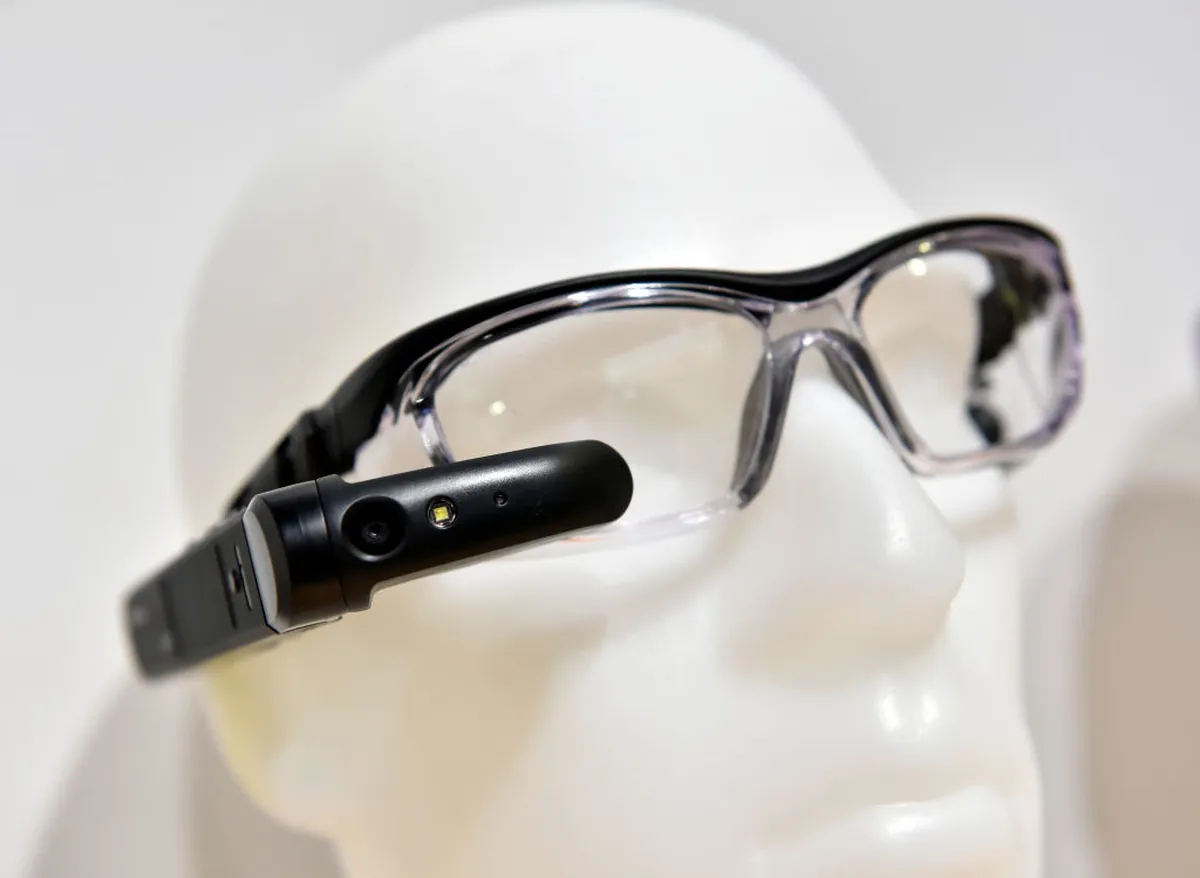
The advent of smart glasses is reshaping various industries, from healthcare to manufacturing. These innovative devices, which overlay digital information onto the physical world, offer numerous advantages, such as improved efficiency and enhanced training capabilities. However, as their popularity increases, so does the potential for workplace disputes. Understanding the legal implications surrounding smart glasses is essential for both employers and employees as they navigate this new technological landscape.
The Rise of Smart Glasses in the Workplace
Smart glasses are equipped with augmented reality (AR) technology, allowing users to access information hands-free while remaining engaged in their tasks. Industries such as logistics, healthcare, and construction are utilizing these devices for various applications. For instance, a warehouse worker can receive real-time inventory updates without needing to consult a handheld device. In healthcare, surgeons can view patient data and imaging while performing procedures, enhancing precision and patient safety.

Legal Implications of Smart Glasses
As smart glasses become more integrated into workplace operations, legal issues may arise regarding privacy, intellectual property, and employee rights. Here are several key considerations:
- Privacy Concerns: Smart glasses equipped with cameras raise questions about employee surveillance and privacy. Employers must balance the benefits of monitoring productivity with the rights of employees to work in a space free from constant observation.
- Intellectual Property Rights: With the ability to capture and share information instantaneously, disputes may arise over ownership of data and proprietary information accessed via smart glasses.
- Liability Issues: If an employee is injured while using smart glasses at work, questions about liability may surface. Employers may face legal challenges regarding workplace safety and the adequacy of training provided to employees using this technology.

Workplace Culture and Smart Glasses
The introduction of smart glasses can significantly impact workplace culture. Employees might feel empowered by the technology, leading to increased productivity and job satisfaction. However, it can also create a divide among employees, particularly if some are not trained or equipped with the same technology. Additionally, concerns over privacy might foster distrust if employees feel they are being constantly monitored.
Addressing Potential Disputes
To mitigate potential disputes arising from the use of smart glasses, employers should consider the following strategies:
- Establish Clear Policies: Develop comprehensive policies regarding the use of smart glasses in the workplace. This should include guidelines on privacy, data security, and acceptable usage.
- Training and Education: Provide training sessions to ensure all employees understand how to use smart glasses effectively and responsibly. This should also cover the legal implications of their use.
- Foster Open Communication: Encourage dialogue between management and employees regarding the implementation of new technology. Addressing concerns early can prevent misunderstandings and disputes.

Key Legal Considerations for Employers
Employers must navigate a complex legal landscape when integrating smart glasses into their operations. Key considerations include:
Understanding the Law
Employers should familiarize themselves with laws related to employee privacy, data protection, and workplace safety. This includes federal regulations as well as state-specific laws that may offer additional protections to employees.
Consulting Legal Counsel
It may be prudent for employers to consult with legal experts when drafting policies related to smart glasses. A knowledgeable attorney can help ensure compliance with applicable laws and mitigate potential liability.
Key Takeaways
- Smart glasses are gaining popularity across various industries, potentially leading to workplace disputes.
- Legal issues surrounding privacy, intellectual property, and liability are crucial considerations.
- Employers should establish clear policies and provide training to minimize disputes and enhance the benefits of this technology.
Frequently Asked Questions
What are smart glasses, and how are they used in the workplace?
Smart glasses are wearable devices that provide augmented reality experiences, allowing users to access digital information hands-free while performing tasks. They are used in various industries for applications such as real-time data access, training, and enhancing operational efficiency.
What legal issues can arise from using smart glasses at work?
Legal issues that may arise include concerns over employee privacy due to surveillance capabilities, intellectual property disputes regarding data ownership, and liability issues if an employee is injured while using the device. Employers must navigate these challenges to ensure compliance with relevant laws.
How can employers prevent disputes related to smart glasses?
Employers can prevent disputes by establishing clear policies regarding the use of smart glasses, providing thorough training for employees, and fostering open communication about the technology's implementation and its implications.
What should employees do if they have concerns about smart glasses in the workplace?
Employees should voice their concerns to management, seeking clarification on policies and expressing any apprehensions regarding privacy or safety. Open communication is essential for addressing issues and ensuring a positive workplace environment.
Comments
The Critical Role of Evidence in Title IX Allegations: A Comprehensive Guide
Understanding the importance of evidence in Title IX investigations is crucial for ensuring fair outcomes. This article explores what constitutes evidence, its impact on investigations, and the legal framework that governs these processes.

Related articles
Popular in Employment Law
- TidalHealth Faces Discrimination Lawsuits Amid Allegations of Retaliation
- Understanding College Football Eligibility: Key Issues and Recent Developments
- Understanding Employee Mental Health Obligations in Franchise Workforces
- Sixth Circuit Ruling on ACA Nondiscrimination: Implications for Nurse Anesthetists
- Court Ruling Defends Journalist in Data Center Defamation Case