The Enduring Legal Legacy of 9/11: Implications for American Rights
The events of September 11, 2001, reshaped U.S. law and civil liberties. This article explores how 9/11 continues to influence legal practices, rights, and national security policies today.

The terrorist attacks on September 11, 2001, were not only a pivotal moment in American history but also a significant turning point for U.S. law and civil liberties. As the nation grappled with the shocking loss of life and the existential threat posed by terrorism, lawmakers and legal scholars began to reassess the balance between national security and individual rights. The aftermath of 9/11 has left a profound and enduring legacy on the American legal landscape, affecting everything from surveillance practices to immigration policies and civil rights protections.
This article delves into the legal ramifications of 9/11, examining how the crisis prompted a wave of legislation and policy changes that continue to resonate to this day. We will explore the key legal developments that emerged in the wake of the attacks, assess their implications for civil liberties, and consider how the dialogue around these issues has evolved over the past two decades.
The Legislative Response: The USA PATRIOT Act
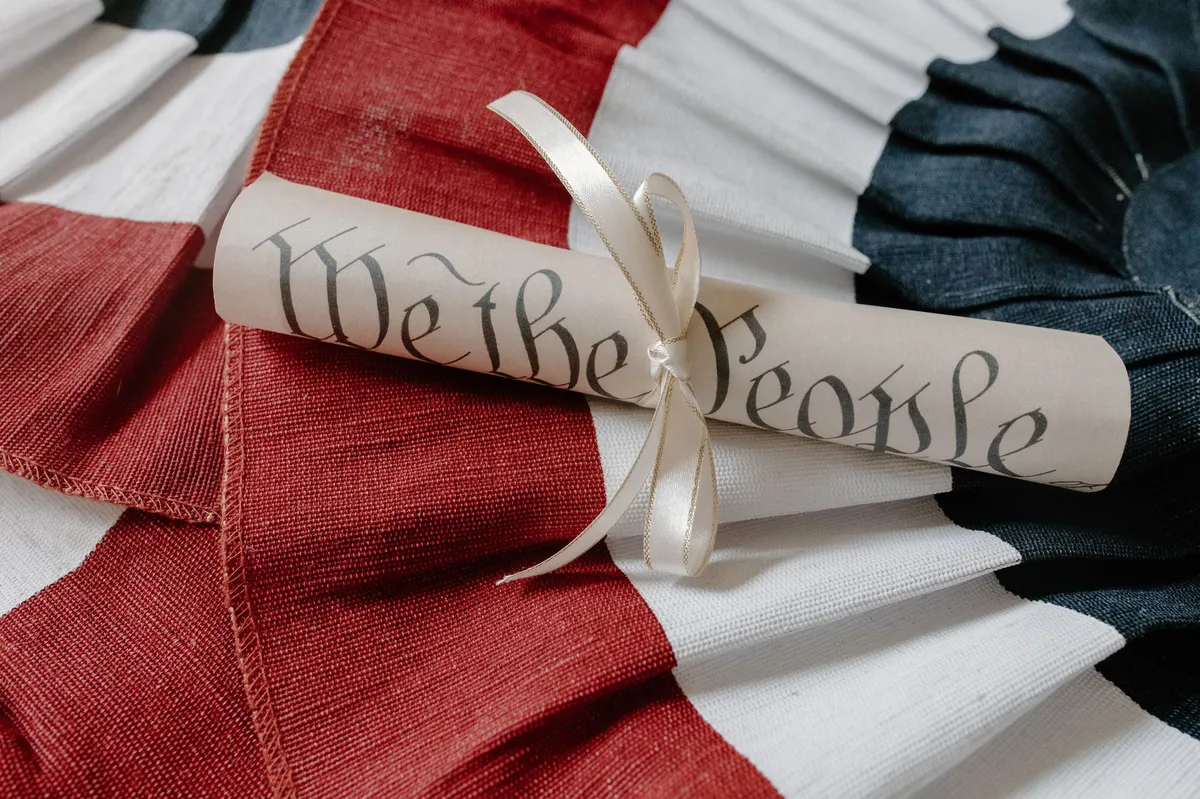
In response to the attacks, Congress swiftly enacted the USA PATRIOT Act in October 2001. This sweeping legislation aimed to bolster national security and enhance law enforcement's ability to prevent future terrorist attacks. However, many of its provisions raised concerns about civil liberties. Key aspects of the USA PATRIOT Act included:
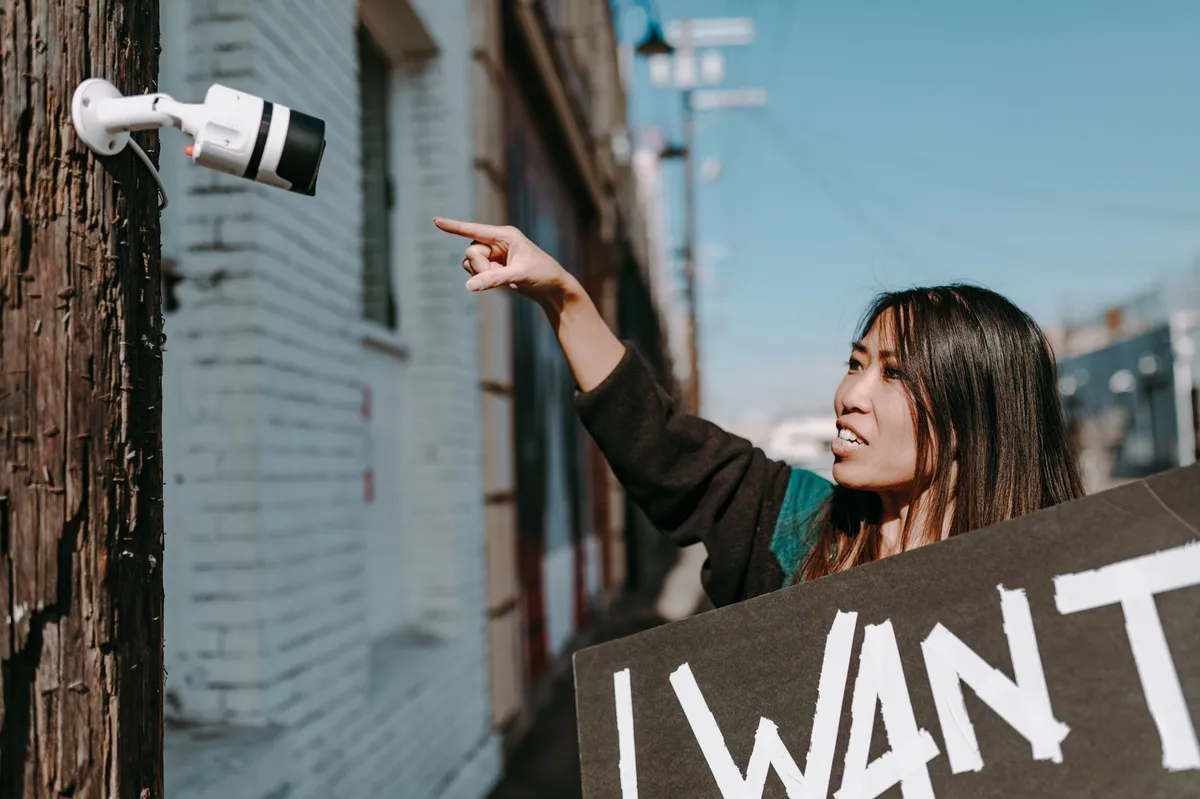
- Expanded Surveillance Powers: Law enforcement agencies gained increased authority to conduct surveillance on individuals without a warrant, leading to concerns about violations of the Fourth Amendment, which protects against unreasonable searches and seizures.
- Information Sharing: The Act facilitated greater information sharing between intelligence and law enforcement agencies, which critics argue blurred the lines between criminal investigations and national security efforts.
- Detention of Non-Citizens: The legislation allowed for the detention of non-citizens without formal charges, raising alarms about due process rights.
Impact on Civil Liberties
The legal changes initiated by the USA PATRIOT Act and subsequent legislation have had lasting effects on civil liberties in the United States. Critics argue that the expansion of government powers has led to a culture of surveillance and discrimination that disproportionately affects marginalized communities, particularly Muslim Americans and individuals of Middle Eastern descent.
Surveillance and Privacy Concerns
In the years following 9/11, the growth of surveillance programs, such as the National Security Agency's (NSA) mass data collection efforts, has sparked an ongoing debate about privacy rights. The revelations by whistleblower Edward Snowden in 2013 brought to light the extent of government surveillance, leading to public outcry and calls for reform.
Racial Profiling and Discrimination
Post-9/11 policies have also contributed to increased racial profiling and discrimination against certain communities. Legal challenges to these practices have emerged, highlighting the tension between security measures and civil rights. Courts have grappled with balancing the government's interest in national security against the fundamental rights of individuals.
Changes in Immigration Law
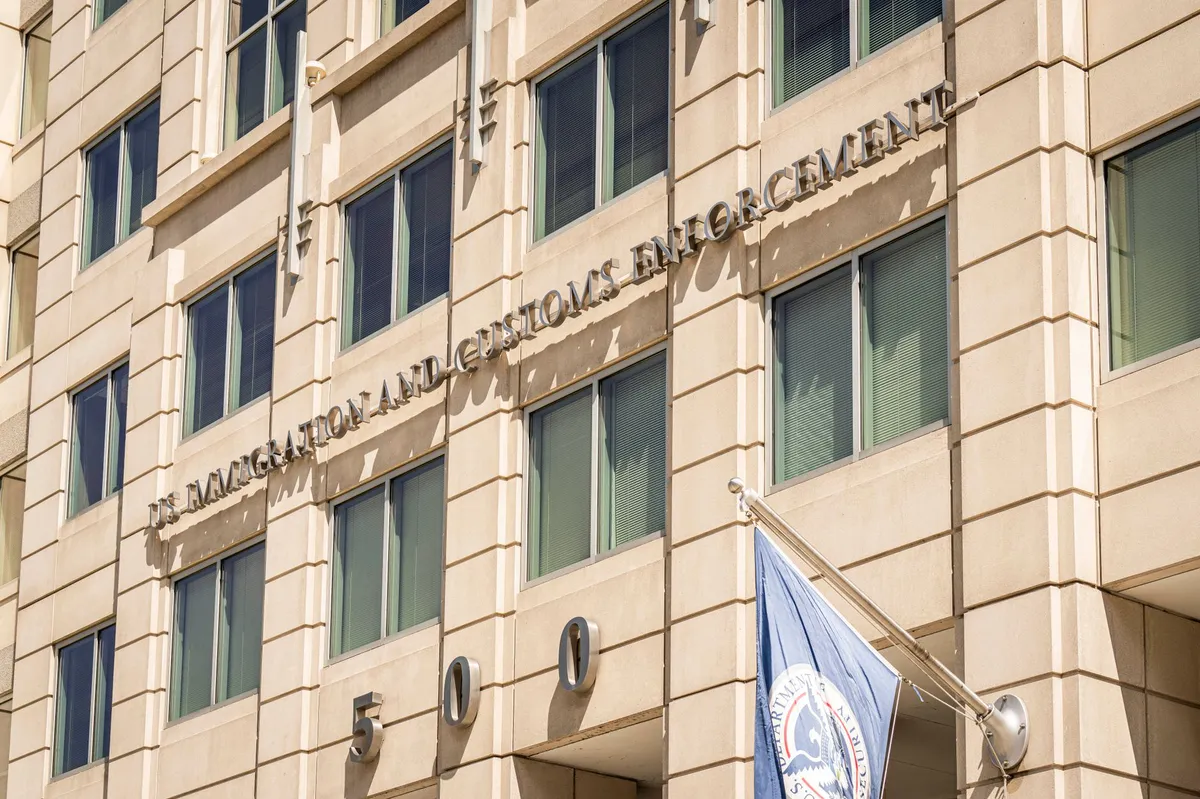
9/11 also prompted significant changes to U.S. immigration policy, particularly concerning the treatment of immigrants from predominantly Muslim countries. The implementation of the Enhanced Security Procedures and the introduction of the No Fly List have raised questions about fairness and transparency in the immigration system.
Increased Scrutiny of Immigrants
Individuals seeking asylum or entering the U.S. have faced heightened scrutiny and longer processing times. Critics argue that these policies have created a hostile environment for immigrants and refugees, undermining the U.S.'s historical commitment to being a haven for those fleeing persecution.
Legal Challenges and Reforms
Advocacy groups have filed lawsuits challenging aspects of post-9/11 immigration policies, arguing that they violate constitutional protections. While some reforms have been made, many of the original provisions remain in place, continuing to affect the lives of countless immigrants.
The Evolving Dialogue on National Security and Civil Rights
As the nation reflects on the legacy of 9/11, the dialogue around national security and civil rights continues to evolve. Legal scholars and civil rights advocates emphasize the importance of maintaining a vigilant stance against government overreach, advocating for transparency and accountability in security measures.
Public Awareness and Activism
The legacy of 9/11 has galvanized a generation of activists who are committed to protecting civil liberties. Organizations like the American Civil Liberties Union (ACLU) and others have worked tirelessly to challenge unconstitutional practices and advocate for reforms that uphold individual rights.
Looking Ahead
As the threat of terrorism evolves, so too must the legal frameworks that govern national security. Striking a balance between ensuring public safety and safeguarding civil liberties remains a significant challenge for lawmakers and the judiciary. The lessons learned from the post-9/11 era will undoubtedly shape the future of American law and the protection of individual rights.
Key Takeaways
- The USA PATRIOT Act significantly expanded government surveillance powers.
- Post-9/11 policies have led to increased scrutiny and discrimination against certain immigrant communities.
- Legal challenges continue to address the tension between national security and civil liberties.
Frequently Asked Questions
What are the main provisions of the USA PATRIOT Act?
The USA PATRIOT Act includes provisions that expand surveillance powers, enhance information sharing between agencies, and allow for the detention of non-citizens without formal charges. Critics argue that these measures infringe on civil liberties and violate the Fourth Amendment protections.
How has 9/11 affected immigration policies in the U.S.?
Post-9/11, immigration policies have become more stringent, particularly for individuals from predominantly Muslim countries. Increased scrutiny, longer processing times, and the implementation of no-fly lists have raised concerns about fairness and the impact on refugees seeking asylum in the U.S.
What role do advocacy groups play in addressing post-9/11 legal issues?
Advocacy groups such as the ACLU play a crucial role in challenging unconstitutional practices and advocating for reforms that protect civil liberties. Their efforts include filing lawsuits, raising public awareness, and lobbying for legislative changes to ensure that rights are safeguarded against government overreach.
Are there ongoing legal challenges related to 9/11 legislation?
Yes, numerous legal challenges continue to address the implications of post-9/11 legislation, particularly concerning the balance between national security and civil liberties. Courts are increasingly tasked with evaluating the constitutionality of surveillance practices and immigration policies that some argue infringe upon individual rights.
Disclaimer: This content is general information and not legal advice.
Comments
Macron's Landmark Visit to the UK: New Dynamics with PM Burnham
French President Emmanuel Macron's recent visit to the UK marks a significant moment in Franco-British relations under new Prime Minister Andy Burnham, featuring discussions on key bilateral issues.

Related articles


Popular in Business Law
- Supreme Court Justices' Financial Disclosures: A Closer Look
- Vishal Garg's Leadership Fallout: The Rise and Fall of Better.com
- Former Intelligence Official Faces Penalty for Post-Government Misconduct
- Blank Rome Faces Lawsuit After Major Data Breach Exposes Personal Information
- Congress Faces Reckoning Over Member-Staff Relationships