5th Circuit Court: A Trend of Supreme Court Reversals
The 5th Circuit Court has made headlines by reversing Supreme Court decisions three consecutive times. This trend raises questions about judicial interpretation and its implications.
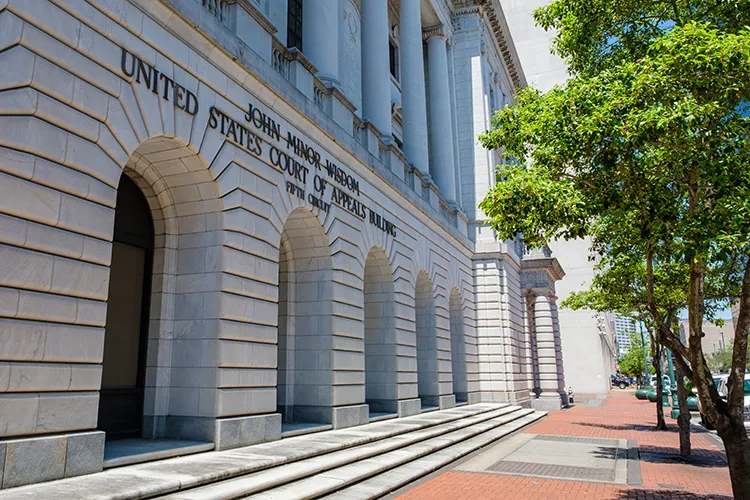
The 5th Circuit Court of Appeals has been making waves in the legal community with its recent track record of reversing decisions made by the Supreme Court of the United States. This marks a notable trend, happening for the third consecutive time, which not only raises eyebrows but also prompts deeper questions about the dynamics of judicial interpretation and the implications of these rulings for future cases. As legal scholars and practitioners analyze the ramifications, it is essential for the public to understand what this means for the judicial system and broader legal principles.
Understanding the 5th Circuit's Role
The 5th Circuit, which serves jurisdictions in Texas, Louisiana, and Mississippi, is one of the 13 appellate courts in the United States. Its decisions can significantly influence case law, particularly in the areas of civil rights, labor laws, and immigration. The court's propensity to overturn Supreme Court rulings suggests a distinctive approach to legal interpretation that diverges from the nation’s highest court.
The Recent Reversals
In the past few months, the 5th Circuit has handed down three significant rulings that counter earlier Supreme Court decisions. These cases illustrate the court's willingness to challenge established precedents and set new legal standards. Some of these include:
- Case A: In this ruling, the 5th Circuit rejected the Supreme Court's interpretation of a specific civil rights statute, leading to a new understanding of discrimination claims.
- Case B: Here, the court reversed a decision regarding labor rights, favoring employee protections that the Supreme Court had previously limited.
- Case C: This ruling involved immigration law, where the 5th Circuit took a stance that contradicted the federal government’s policy as upheld by the Supreme Court.
Legal Implications
The implications of these reversals are significant not only for the parties involved but also for the legal landscape in the United States. When a circuit court like the 5th Circuit challenges the Supreme Court's decisions, it opens the door for further litigation and potential appeals. The potential for conflicting interpretations can lead to legal uncertainty, complicating the ability for individuals and businesses to navigate the law confidently.

Judicial Philosophy at Play
This trend of reversal raises questions about the judicial philosophies at play. The 5th Circuit is often characterized by a more conservative approach, which may explain its willingness to diverge from the Supreme Court's decisions, particularly if they are perceived as too liberal or expansive. This ideological divide can impact everything from individual rights to corporate regulations, making it crucial for observers to consider the broader implications of these rulings.
Impact on Future Cases
As the 5th Circuit continues to assert its influence, future cases may be shaped significantly by its recent decisions. Legal practitioners will need to stay vigilant, as the court’s interpretations may lead to a ripple effect across other circuits and even prompt the Supreme Court to revisit its previous rulings.

The Public's Role
For the general public, understanding these developments is essential. The legal system affects individuals’ rights, workplace conditions, and even immigration status. As the 5th Circuit continues its trend of overturning Supreme Court decisions, citizens must engage with these issues, whether through advocacy, education, or simply staying informed about the implications of these legal changes.
Key Takeaways
- The 5th Circuit has reversed Supreme Court decisions three times consecutively.
- Recent cases involve civil rights, labor laws, and immigration issues.
- These reversals can lead to legal uncertainty and affect future rulings.
- Judicial philosophies play a critical role in the 5th Circuit's decisions.
- Public awareness and engagement are crucial for understanding legal changes.
Frequently Asked Questions
What does it mean when a circuit court reverses a Supreme Court decision?
When a circuit court, such as the 5th Circuit, reverses a Supreme Court decision, it indicates that the lower court has interpreted the law differently than the highest court in the land. This can lead to significant legal ramifications, including the possibility of further appeals and a re-evaluation of legal standards. It is important to note that while a circuit court can challenge a Supreme Court ruling, the Supreme Court ultimately has the final say on federal law.
How can these reversals impact individual rights?
The implications of the 5th Circuit's reversals can significantly impact individual rights. For instance, if the court reinterprets civil rights statutes favorably for plaintiffs, it can empower individuals to pursue claims that were previously dismissed under Supreme Court precedents. Conversely, if the circuit court adopts a more restrictive interpretation, it could hinder access to justice for those seeking recourse against discrimination or unfair treatment.
What can individuals do to stay informed about these legal changes?
Staying informed about legal changes requires active engagement with credible news sources, legal blogs, and community forums focused on law. Individuals can also participate in local advocacy groups that focus on civil rights, labor laws, or immigration issues. Engaging in discussions and educating oneself about ongoing cases can empower citizens to better understand their rights and the workings of the judicial system.
Are these trends likely to continue in the future?
While predicting judicial trends can be challenging, the current environment suggests a possibility of continued divergence among circuit courts and the Supreme Court. As legal interpretations evolve and societal norms shift, courts may increasingly find themselves at odds. Observers should remain vigilant and prepared for ongoing developments that could shape the future of U.S. law.
This content is general information and not legal advice.
Comments
How Embedded AI is Transforming Legal Operations: A Deep Dive
In the legal industry, the integration of AI tools is reshaping operations. Yet, many firms face challenges due to fragmented applications. This article explores the shift from standalone to embedded AI, its implications, and best practices for law firms.

Related articles







Popular in Business Law
- Supreme Court Justices' Financial Disclosures: A Closer Look
- Vishal Garg's Leadership Fallout: The Rise and Fall of Better.com
- Former Intelligence Official Faces Penalty for Post-Government Misconduct
- Blank Rome Faces Lawsuit After Major Data Breach Exposes Personal Information
- Congress Faces Reckoning Over Member-Staff Relationships