Trump's Lawsuit Against Iowa Poll: A Legal Battle Over Free Speech
Donald Trump is challenging a poll that showed Kamala Harris leading in Iowa just days before the 2024 election, arguing it was manipulated to harm his campaign. The legal implications are profound, raising questions about free speech and media integrity.
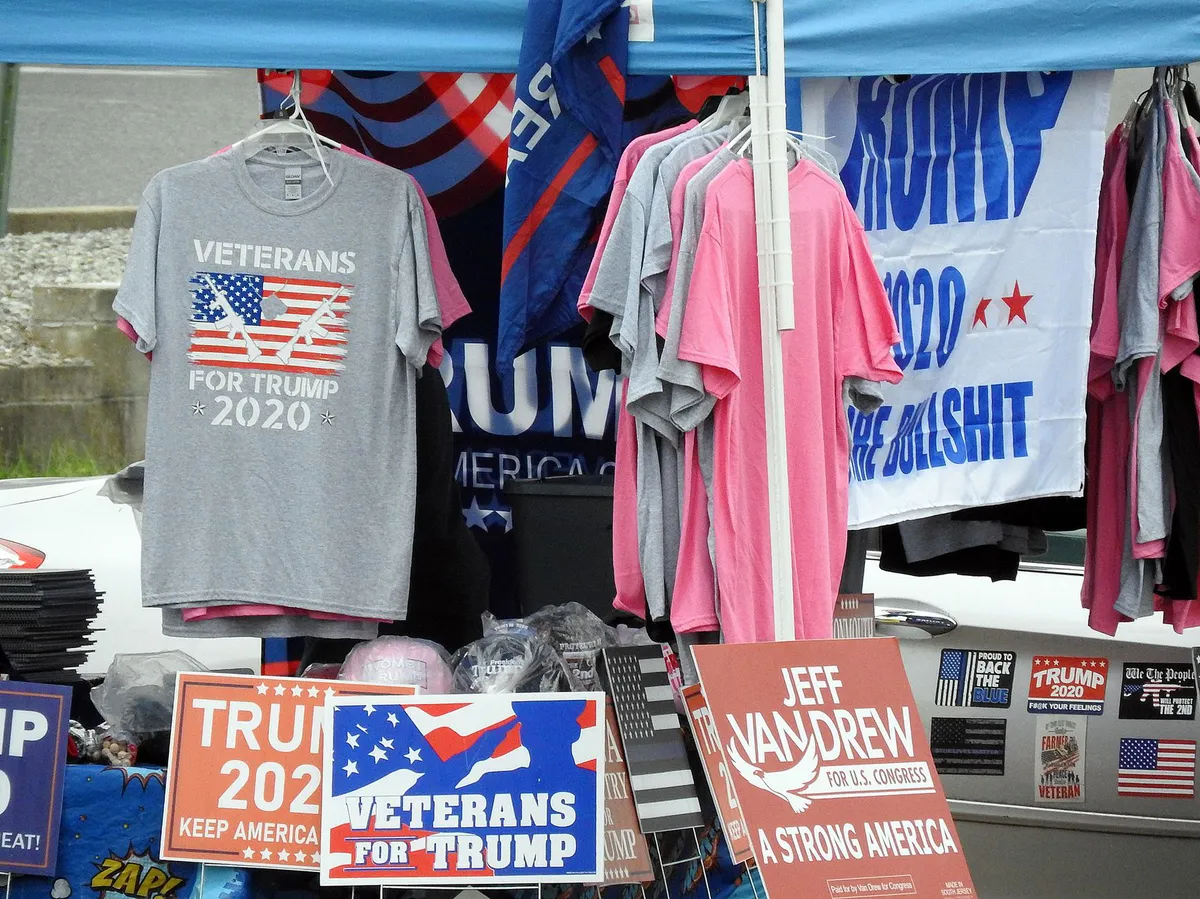
In a contentious legal maneuver, former President Donald Trump is seeking to keep alive his lawsuit against the Des Moines Register and prominent pollster J. Ann Selzer, following a poll that indicated Kamala Harris held a narrow lead over him just days before the 2024 presidential election. This lawsuit not only highlights the contentious nature of political polling but also raises significant questions regarding First Amendment protections and the potential chilling effects on media reporting.
Trump's legal team has returned to the Polk County District Court, urging Judge Scott Beattie to reject a motion to dismiss filed by the Register and Selzer. At the heart of this case lies Trump's assertion that the poll was manipulated to undermine his campaign, a claim that has sparked intense debate about the boundaries of free expression and the responsibilities of the media in political discourse.
The Background of the Case
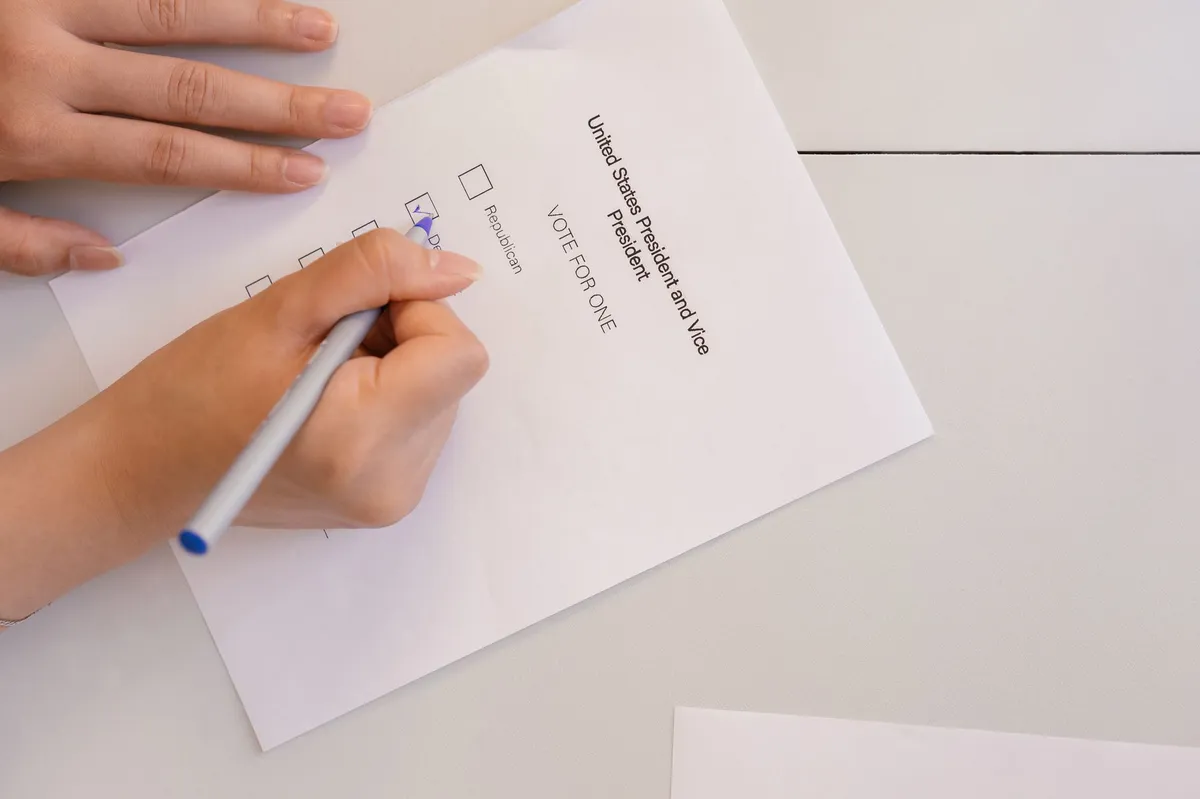
The controversy began with a poll published by the Des Moines Register just three days before the November 5 election, which showed Harris leading Trump by a narrow margin of three points. Despite Trump ultimately winning Iowa by a significant margin of over 13 points, he alleges that the poll constituted voter manipulation. As such, he accuses Selzer and the Register of consumer fraud under Iowa law, claiming that the poll's results were not only inaccurate but also intentionally skewed to harm his candidacy.
Trump's legal argument distinguishes between the protections granted to political speech under the First Amendment and commercial speech, which he claims is governed by Iowa's consumer fraud statute. This is a pivotal point in the case, as the Register and Selzer assert that their work falls under the purview of protected political expression.
The Legal Arguments
During the recent court hearing, Robert Corn-Revere, attorney for Selzer, referred to the lawsuit as "frivolous," arguing that it should not be litigated in any court due to the clear First Amendment protections surrounding political reporting. Conversely, Trump's attorney, Alan Ostergren, acknowledged the relevance of the First Amendment but insisted that the plaintiffs have the right to defend their electoral interests against what they perceive as media manipulation.
Ostergren's approach implies that not all media statements should receive blanket First Amendment protection, particularly when they could potentially distort democratic processes. He emphasized the need for a discovery phase to examine Selzer's polling methodology and the decisions made leading up to the poll's release, suggesting that the result could have been influenced by bias rather than objective data.
Implications for Free Speech and Media
The ramifications of this case extend far beyond the immediate parties involved. Judge Beattie has expressed concern about the case's "massive First Amendment implications" and hinted at the potential chilling effect it could have on media reporting. This is particularly relevant in an era where the accuracy of polling and the integrity of political journalism are under constant scrutiny.
Political polls serve a dual function in a democratic society: they provide a snapshot of public opinion and can influence voter behavior. If courts begin to see them as potential sites for legal challenges, the fear is that media organizations may become more hesitant to publish unpopular or controversial findings, thereby restricting the flow of information vital to informed voting.
Consumer Fraud vs. Free Speech
Trump's legal team argues that the Selzer poll constitutes commercial speech, which is subject to regulation under consumer protection laws. The Iowa Consumer Fraud Act aims to protect consumers from deceptive practices, and Trump contends that the poll's misleading results fall under this statute. However, the Register insists that Trump's lawsuit does not align with the intent of the law, as it fails to demonstrate any wrongful conduct tied to consumer transactions or any measurable loss resulting from the poll.
This legal distinction between commercial and political speech has significant implications. If the court sides with Trump, it could set a precedent for future cases where political figures attempt to litigate against media outlets over unfavorable polling results, potentially reshaping the landscape of political communication in the U.S.
The Current Status and Future Outlook
The case has undergone significant legal maneuvering over the past 18 months, moving between state and federal courts, and generating a flurry of motions and briefs. A related case, filed by another individual who claimed similar grievances, was dismissed by a federal judge, but his appeal remains pending before the Eighth Circuit. This backdrop of ongoing litigation adds complexity to Trump's lawsuit and highlights the contentious relationship between political figures and the media.
As the case progresses, it will be crucial for both parties to articulate their positions clearly, particularly regarding the First Amendment’s protections versus consumer fraud regulations. A ruling in favor of Trump could embolden other politicians to pursue similar lawsuits, while a dismissal might reaffirm journalists' rights to report freely on political matters without fear of legal repercussions.
Key Takeaways
- Trump's lawsuit argues that a poll manipulated public perception.
- The case raises significant First Amendment implications.
- Legal distinctions between consumer fraud and political speech are crucial.
- The outcome could reshape the media's approach to political polling.
Frequently Asked Questions
What are the main arguments in Trump's lawsuit against the Des Moines Register?
Trump argues that the poll published by the Register was fraudulent and designed to harm his campaign. He claims it constitutes commercial speech under Iowa's consumer fraud law, while the Register contends that it falls under protected political speech under the First Amendment. The legal battle hinges on these competing interpretations of free speech versus consumer protection laws.
How does the First Amendment protect political speech?
The First Amendment of the U.S. Constitution protects individuals' rights to express themselves without government interference. This includes political speech, which is considered a cornerstone of democracy. The ongoing lawsuit raises questions about the extent to which this protection applies to media reporting, particularly in the context of polling, which can influence voter behavior significantly.
What could be the consequences of this lawsuit for the media?
If the court rules in favor of Trump, it could set a troubling precedent that might deter journalists from publishing polling results that could be perceived negatively by political figures. This could lead to a chilling effect on the media, restricting their ability to report freely on political matters and potentially skewing public discourse in favor of those who wield political power.
What is the current status of the lawsuit?
The lawsuit is currently before Polk County District Judge Scott Beattie, who is weighing the merits of the case following a motion to dismiss filed by the Register and Selzer. The legal proceedings have involved extensive back-and-forth between state and federal courts, and the case’s future remains uncertain as it could set significant legal precedents regarding the intersection of media, politics, and consumer protection.
Comments
How Embedded AI is Transforming Legal Operations: A Deep Dive
In the legal industry, the integration of AI tools is reshaping operations. Yet, many firms face challenges due to fragmented applications. This article explores the shift from standalone to embedded AI, its implications, and best practices for law firms.

Related articles




Popular in Business Law
- Supreme Court Justices' Financial Disclosures: A Closer Look
- Vishal Garg's Leadership Fallout: The Rise and Fall of Better.com
- Former Intelligence Official Faces Penalty for Post-Government Misconduct
- Blank Rome Faces Lawsuit After Major Data Breach Exposes Personal Information
- Congress Faces Reckoning Over Member-Staff Relationships