Rebel Creamery's Bankruptcy: A Cautionary Tale of Trademark Disputes
Rebel Creamery has filed for Chapter 11 bankruptcy following a costly lawsuit with Van Leeuwen Ice Cream over packaging similarities. This case highlights the intricate balance between innovation and intellectual property rights in the food industry.

The ice cream industry is a sweet haven for innovation, but as Rebel Creamery has recently discovered, it can also be fraught with peril when it comes to intellectual property issues. The Utah-based company, known for its low-carb ice cream products, has filed for Chapter 11 bankruptcy protection after a significant legal battle with rival Van Leeuwen Ice Cream culminated in a $23.8 million judgment against them. This development underscores the critical importance of trademark rights and the significant financial repercussions that can arise from legal disputes over branding.
Founded in 2017, Rebel Creamery positioned itself in the marketplace with a product line appealing to health-conscious consumers looking for keto-friendly options. The brand quickly gained traction, finding shelf space in major retailers like Walmart, Kroger, Safeway, and Target. However, the recent court ruling has cast a shadow over its future, demonstrating how quickly a burgeoning business can find itself in financial turmoil due to a legal misstep.
The Lawsuit: A Battle of Branding
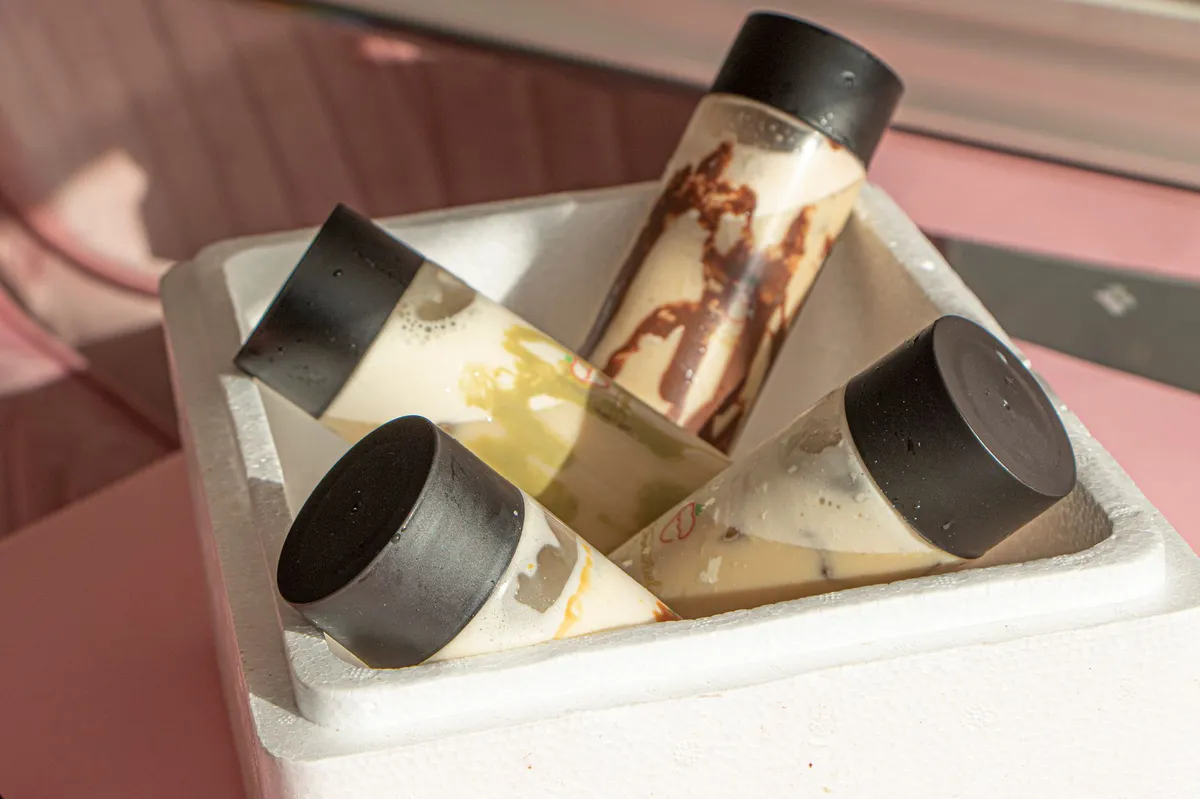
The drama began in 2021 when Van Leeuwen Ice Cream, a well-established brand with origins tracing back to a New York City ice cream truck in 2008, filed a lawsuit against Rebel Creamery. Van Leeuwen accused Rebel of infringing on its trademark rights by mimicking the distinctive appearance of its packaging, including soft color schemes and a minimalist design that could confuse consumers. This type of claim is not uncommon in the food industry, where brand identity can significantly impact consumer choices.
The Court's Findings
After years of legal back-and-forth, Judge Eric Komitee ruled against Rebel, stating that the company had intentionally infringed on Van Leeuwen's trademark. The court found that Rebel's packaging design was not only similar but could indeed mislead consumers, which is a critical threshold in trademark law. The judge ordered Rebel to cease using the disputed packaging and to redesign its containers, a costly requirement that compounded the company's existing financial struggles.

Understanding Chapter 11 Bankruptcy
In the wake of the court ruling, Rebel Creamery opted for Chapter 11 bankruptcy, a form of bankruptcy that allows a company to reorganize its debts while maintaining operations. This option is often seen as a lifeline for businesses facing insurmountable debt, providing them the opportunity to negotiate with creditors and develop a plan to return to financial health. However, it does not guarantee survival; it merely offers a structured process to attempt to resolve financial issues.
What Chapter 11 Means for Rebel Creamery
Rebel's bankruptcy filing indicates that the company has between $10 million and $50 million in both assets and liabilities. This large range highlights the uncertainty surrounding its financial situation. In filing for Chapter 11, Rebel aims to find a way to manage its debts while continuing to operate. The outcome of the bankruptcy proceedings will significantly impact whether Rebel can continue selling its products, pivot its business model, or potentially close its doors altogether.
Implications for the Ice Cream Industry
The unfolding story of Rebel Creamery serves as a cautionary tale for emerging brands within the food sector. As competition intensifies, the line between inspiration and infringement can often blur, leading to potentially devastating legal consequences. Companies must navigate trademark law carefully, understanding that even unintentional similarities can result in costly litigation.
The Importance of Trademark Research
For new businesses, especially in crowded markets such as ice cream, conducting thorough trademark research before launching a product is crucial. This includes:
- **Understanding existing trademarks**: Before designing packaging, companies should ensure their branding does not too closely resemble that of competitors.
- **Consulting legal experts**: Engaging with intellectual property lawyers can safeguard against unintentional violations.
- **Continual monitoring**: As brands evolve, continuous monitoring of trademark registrations helps avoid future conflicts.
Key Takeaways
- Rebel Creamery has filed for Chapter 11 bankruptcy following a $23.8 million judgment over trademark infringement.
- The lawsuit highlights the importance of protecting intellectual property in the food industry.
- Chapter 11 bankruptcy allows businesses to restructure debts while continuing operations.
- Emerging brands should prioritize trademark research to avoid costly legal disputes.
Frequently Asked Questions
What led to Rebel Creamery's bankruptcy filing?
Rebel Creamery's bankruptcy was primarily triggered by a ruling in a trademark infringement lawsuit filed by Van Leeuwen Ice Cream. The court ordered Rebel to pay nearly $23.8 million for infringing on Van Leeuwen's packaging design, which added significant financial pressure to an already struggling company. This financial hit was compounded by existing debts, leading to the decision to file for Chapter 11 bankruptcy protection.
How does Chapter 11 bankruptcy work?
Chapter 11 bankruptcy is a legal process that allows a business to reorganize its debts while continuing to operate. It provides a framework for the company to negotiate with creditors, restructure its financial obligations, and develop a plan to regain profitability. Unlike liquidation bankruptcy, Chapter 11 allows the company to maintain its operations and potentially emerge stronger on the other side of the process.
What are the potential outcomes of Rebel's bankruptcy case?
The outcome of Rebel Creamery's Chapter 11 case could vary significantly. The company might successfully restructure its debts and business model, allowing it to continue selling ice cream. Alternatively, if the restructuring fails or if the financial pressures remain too great, Rebel could be forced to close its operations. The bankruptcy court will oversee the process, and the ultimate decision will depend on the viability of the company's reorganization plan.
What can other companies learn from Rebel Creamery's situation?
Other companies, particularly startups in competitive industries, can learn valuable lessons from Rebel Creamery's experience. It emphasizes the critical need for robust trademark research and legal guidance when developing branding and marketing materials. Understanding trademark law and proactively protecting one's brand identity can prevent costly legal disputes that could jeopardize a company's future.
This article is for informational purposes only and does not constitute legal advice.
Comments
Mississippi Man Pleads Guilty to Tax Evasion: A Cautionary Tale
Eric Brian Rosenberg of Mississippi has pleaded guilty to tax evasion, revealing a complex scheme to hide over $2 million from the IRS. This case highlights the serious consequences of tax fraud and the lengths some individuals go to avoid their tax obligations.
Related articles




Popular in Business Law
- Supreme Court Justices' Financial Disclosures: A Closer Look
- Vishal Garg's Leadership Fallout: The Rise and Fall of Better.com
- Former Intelligence Official Faces Penalty for Post-Government Misconduct
- Blank Rome Faces Lawsuit After Major Data Breach Exposes Personal Information
- Congress Faces Reckoning Over Member-Staff Relationships