Self-Representation in Court: The Case of Luke Brugnara and Pandemic Fraud Allegations
Former San Francisco real estate investor Luke Brugnara, facing serious fraud charges, opts to represent himself in court despite warnings from a federal judge about the risks involved. This article explores the implications of self-representation in legal cases, particularly in complex fraud matters.

The courtroom can be a daunting place, filled with legal jargon, strict procedures, and the weight of serious consequences. For many defendants, the choice to represent themselves, known as proceeding "pro se," can seem tempting, particularly when they believe they can make a strong case. However, as the recent trial of Luke Brugnara illustrates, this decision can come with significant risks. Brugnara, a former San Francisco real estate investor and convicted fraudster, has opted to represent himself in a trial over accusations of submitting false loan applications for pandemic relief programs. Despite warnings from the presiding judge, he remains steadfast in his belief that he can effectively defend himself against the charges he faces.
Brugnara's case raises critical questions about the nature of self-representation in criminal trials, the complexities of fraud allegations, and the potential repercussions for defendants who choose to forgo legal counsel. This article will delve into the details surrounding Brugnara's trial, the legal implications of self-representation, and the overarching considerations for defendants navigating the American legal system.
The Background: Who is Luke Brugnara?
Luke Brugnara, 62, is no stranger to courtroom battles. He previously faced legal troubles in a notorious case involving accusations of defrauding an art dealer out of $11 million, for which he was convicted and sentenced to seven years in prison. His history of self-representation in that case involved chaotic courtroom conduct, including badgering witnesses and being held in contempt of court multiple times. Despite these challenges, he emerged with a conviction that he could effectively advocate for himself.
Current Charges: Fraud and Money Laundering
In May 2024, Brugnara was indicted on nine counts of wire fraud and three counts of money laundering related to his alleged submission of fraudulent applications for federal pandemic relief programs. Prosecutors argue that he misrepresented his business activities to secure over $400,000 in funds intended to assist struggling businesses during the COVID-19 pandemic. Each wire fraud charge carries a maximum penalty of 20 years in prison, while the money laundering charges could lead to 10 additional years behind bars.
The Risks of Going Pro Se
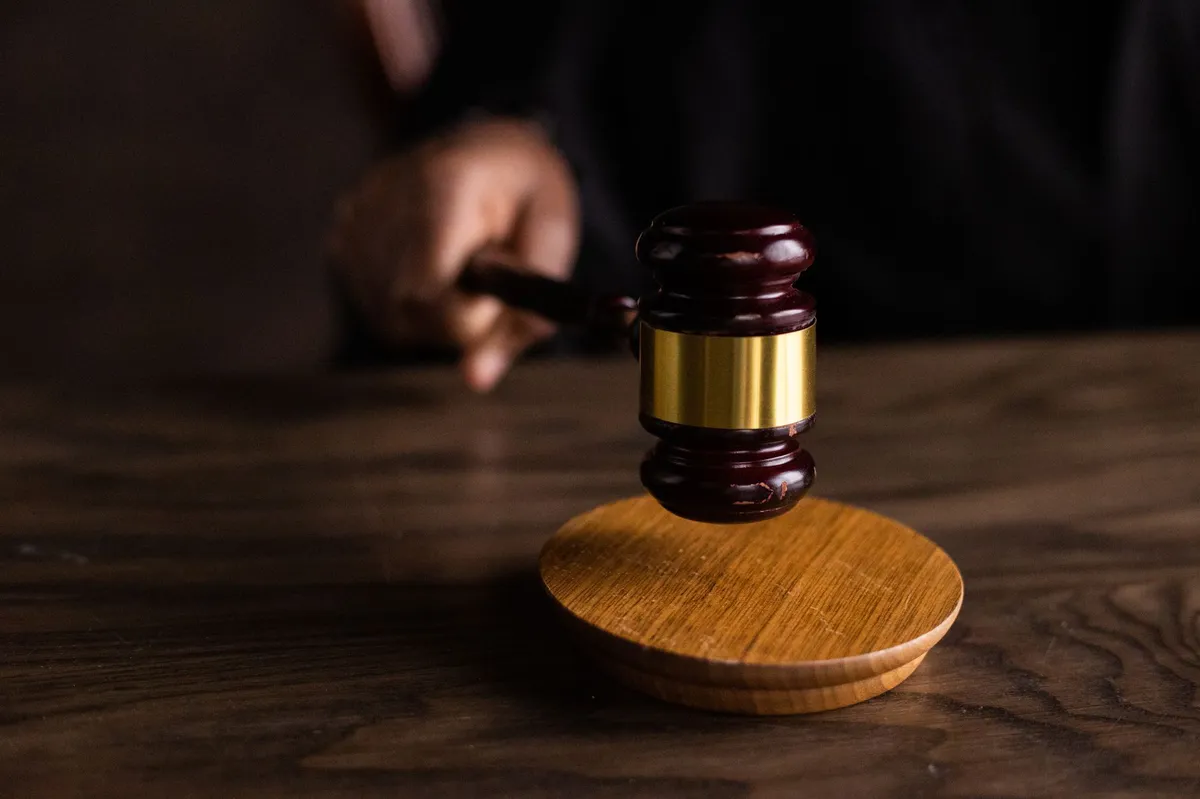
Despite the serious nature of his current charges, Brugnara has been resolute in his choice to represent himself, dismissing the advice of Senior U.S. District Judge Maxine M. Chesney, who cautioned him about the potential consequences of this decision. The judge highlighted that most defendants fare better with trained attorneys who understand legal nuances, evidentiary rules, and courtroom procedures. However, Brugnara expressed a sense of urgency in wanting to expedite his trial due to his conditions of confinement, stating, “I must. I don’t know if I can last two weeks.”
Self-representation can be fraught with difficulties, especially in criminal cases where the stakes are high. Here are some key risks associated with choosing to go pro se:
- Lack of Legal Knowledge: Legal proceedings can be incredibly complex, and without a solid understanding of the law, defendants may struggle to present their case effectively.
- Procedural Missteps: Navigating court procedures requires familiarity with rules that, if overlooked, can adversely affect a case. Mistakes can lead to evidence being excluded or rights being waived.
- Emotional Pressure: Representing oneself can be emotionally taxing, particularly in high-stakes cases, leading to poor decision-making.
- Judicial Discretion: Judges have the discretion to revoke a defendant's right to self-representation if they cannot adhere to court decorum, as seen in Brugnara's previous trial experiences.
The Court’s Concerns
Judge Chesney's concerns regarding Brugnara's self-representation were not unfounded. During the proceedings, she expressed her apprehension that his previous courtroom behavior could resurface, potentially complicating the trial. Brugnara's past antics—such as interrupting witnesses and being held in contempt—raise valid questions about his ability to conduct himself appropriately in a courtroom setting.
Moreover, Chesney warned Brugnara that if he failed to follow courtroom rules and procedures, she would reconsider her ruling allowing him to represent himself, indicating a strict adherence to the standards of decorum expected in her courtroom. As a pro se litigant, Brugnara faces heightened scrutiny, and any signs of misconduct could jeopardize his right to self-representation.
The Implications for Future Trials
Brugnara's insistence on representing himself has broader implications, particularly in the context of the American legal system and self-representation rights. While the U.S. Supreme Court has recognized a defendant's right to self-representation, this right is not absolute. Courts can impose limitations and require defendants to meet certain conditions to ensure fair trial standards are upheld.
The Balancing Act of Justice
The legal system must balance a defendant's rights with the need for orderly proceedings and the interests of justice. Brugnara's case exemplifies this challenge, as his determination to go pro se may lead to complications that could affect the trial's outcome. The court must remain vigilant in ensuring that self-representation does not compromise the integrity of the legal process.
Key Takeaways
- Self-representation can significantly impact the outcome of a trial, especially in complex fraud cases.
- Courts have the discretion to revoke a defendant's right to represent themselves if they cannot adhere to courtroom decorum.
- Defendants should carefully weigh the risks of going pro se against the potential benefits of having legal counsel.
- Brugnara's case highlights the importance of understanding legal procedures and the potential consequences of navigating the system without an attorney.
- The right to self-representation is constitutionally protected but must be balanced with the need for fair and orderly judicial proceedings.
Frequently Asked Questions
What are the risks of self-representation in court?
Self-representation poses several risks, including a lack of understanding of complex legal issues, procedural missteps, and the emotional strain of managing one’s defense. Defendants may inadvertently disadvantage themselves by failing to present evidence effectively or adhering to court rules, which can lead to unfavorable outcomes.
Can a defendant be forced to accept a lawyer?
While defendants have the constitutional right to represent themselves, judges can require that a defendant accept legal representation if they are unable to conduct their defense in a professional manner or if their self-representation compromises the integrity of the trial. The court must ensure that the proceedings remain fair and orderly.
What happens if a pro se defendant disrupts court proceedings?
If a pro se defendant disrupts court proceedings, the judge has the authority to take corrective measures, which may include holding the defendant in contempt of court or revoking their right to self-representation. Maintaining courtroom decorum is crucial for the integrity of the judicial process.
What should defendants consider before representing themselves?
Defendants should consider their familiarity with legal concepts, the complexity of their case, and their ability to follow court procedures. It is also essential to weigh the potential benefits of having a trained attorney who can navigate the legal system effectively against the desire for self-representation.
This article is for informational purposes only and does not constitute legal advice.
Comments
Rebel Creamery's Bankruptcy: A Cautionary Tale of Trademark Disputes
Rebel Creamery has filed for Chapter 11 bankruptcy following a costly lawsuit with Van Leeuwen Ice Cream over packaging similarities. This case highlights the intricate balance between innovation and intellectual property rights in the food industry.

Related articles



Popular in Business Law
- Supreme Court Justices' Financial Disclosures: A Closer Look
- Vishal Garg's Leadership Fallout: The Rise and Fall of Better.com
- Former Intelligence Official Faces Penalty for Post-Government Misconduct
- Blank Rome Faces Lawsuit After Major Data Breach Exposes Personal Information
- Congress Faces Reckoning Over Member-Staff Relationships