Federal Judge Blocks Ohio's Voter Citizenship Requirement: Implications for Elections
A federal judge has halted Ohio's controversial requirement for proof of citizenship for voter registration at motor vehicle bureaus, citing concerns over voter accessibility. This ruling could reshape the electoral landscape and has implications for similar laws in other states.
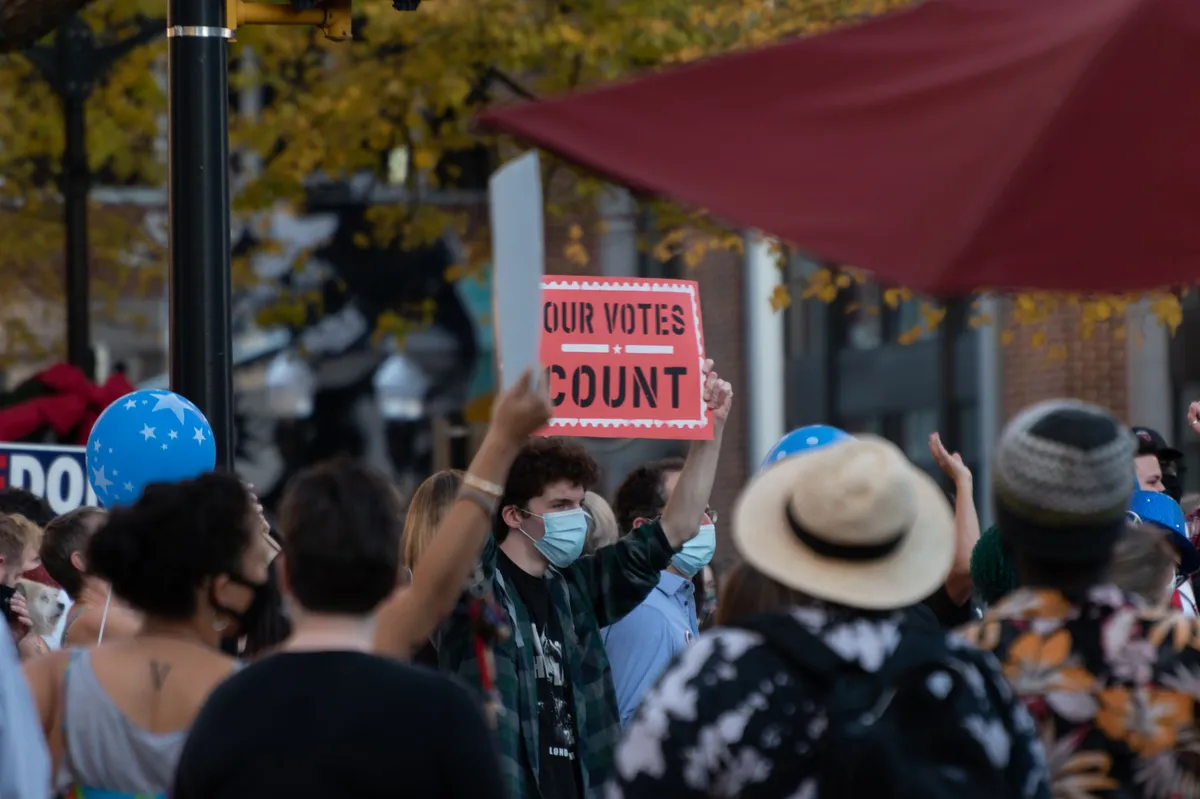
In a significant legal development, a federal judge has temporarily blocked Ohio's controversial requirement mandating that voters present documented proof of citizenship when registering to vote at motor vehicle bureaus. This ruling, issued by U.S. District Judge Solomon Oliver Jr., is a pivotal moment for voting rights advocates and could have lasting implications for voter registration processes in Ohio and beyond.
On Tuesday, the court granted a preliminary injunction against the provision, emphasizing that the requirement contradicts the National Voter Registration Act (NVRA) and poses a barrier to voter registration for eligible U.S. citizens. Judge Oliver articulated a strong public interest in ensuring that every registered voter has the opportunity to vote, a sentiment that resonates deeply in a nation grappling with issues of electoral accessibility and integrity.
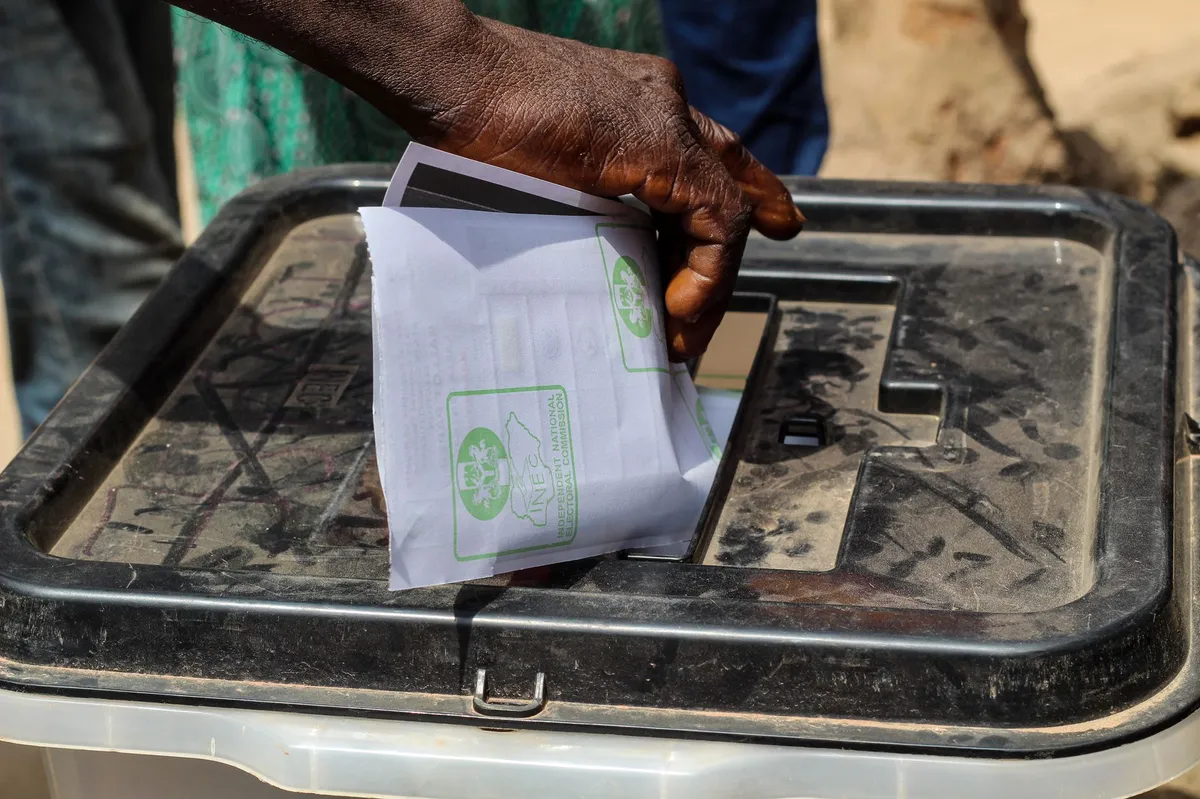
Understanding the Legal Context of the Ruling
The case emerged from a lawsuit filed in August 2025 by two civic organizations, Red Wine & Blue and the Ohio Alliance for Retired Americans. These groups focus on promoting voter education and protecting voting rights. They challenged a provision in Ohio's Transportation Appropriations Bill that amended existing laws regarding voter registration at State Bureau of Motor Vehicles (BMV) offices. Historically, individuals applying for or renewing a driver’s license or state ID could easily register to vote, but the new amendment required them to provide physical documentation of citizenship, such as a birth certificate or passport.
The National Voter Registration Act (NVRA)
The NVRA, passed in 1993, was designed to enhance the accessibility of voter registration and to ensure that states do not impose unnecessary barriers. Judge Oliver's ruling underscores the NVRA's mandate that states must collect only the minimum information necessary to determine voter eligibility. By imposing additional requirements, Ohio's law was seen as a violation of this principle.
Judge Oliver noted that motor vehicle offices account for nearly one-third of all voter registrations nationwide, highlighting the importance of these offices in facilitating voter participation. He argued that the new requirement would discourage eligible citizens from registering, directly contradicting the NVRA's purpose.

The Implications of the Ruling
This ruling has immediate implications, particularly as it comes just ahead of the October 5 registration deadline for the upcoming midterm elections. Without the documentation requirement, it is expected that more Ohioans will take the opportunity to register, potentially influencing election outcomes. The judge's decision also contrasts sharply with the recent push from political leaders advocating for stricter voter registration laws, including President Trump's call for Congress to mandate citizenship documentation for registration.
State Response and Future Challenges
Ohio Secretary of State Frank Larose announced plans to appeal the ruling, asserting the state's right to implement measures they believe protect the integrity of elections. Larose's office claims that the law was enacted to prevent noncitizen voter registration, a justification that Judge Oliver found unconvincing, given the lack of evidence supporting the need for such measures.
The legal battle in Ohio is part of a broader trend, as several states, including South Dakota, Utah, and Wyoming, have recently adopted similar proof-of-citizenship laws. These developments raise concerns among civil rights advocates about potential disenfranchisement and the erosion of voting rights.
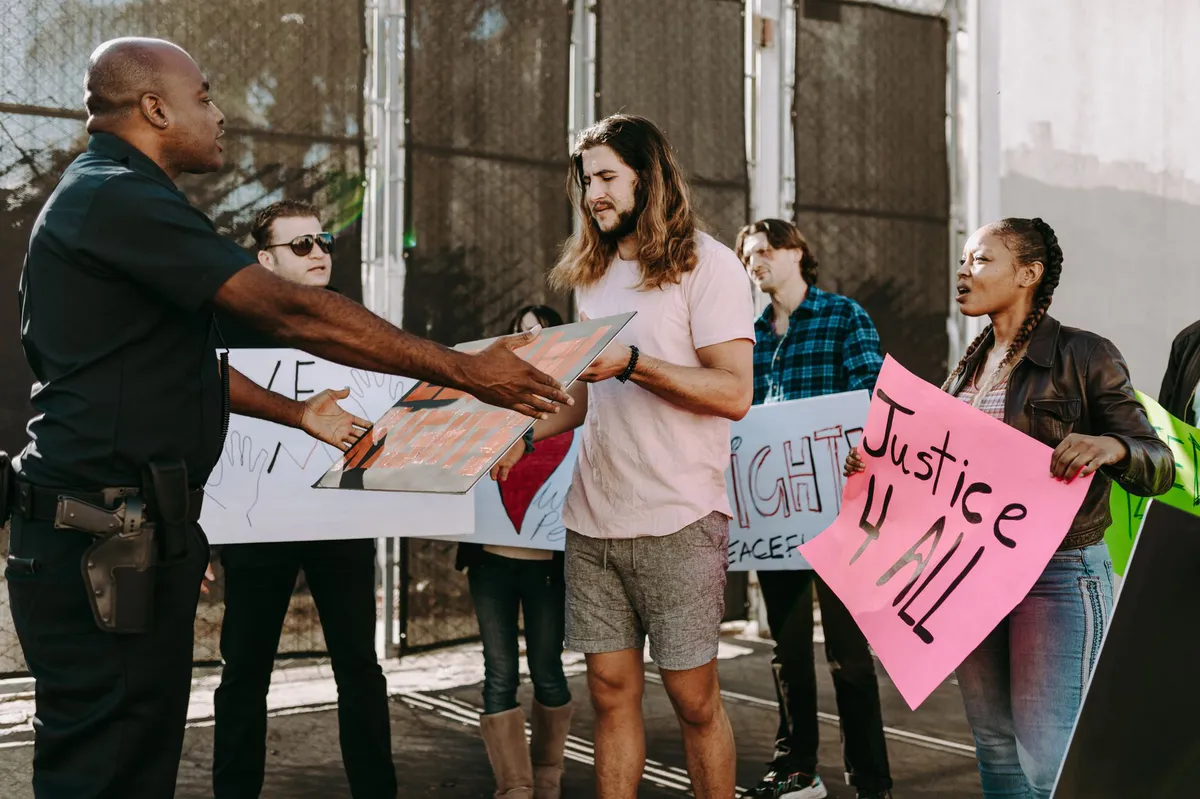
Voter Access and Civil Rights
The ruling is being hailed as a victory for voting rights advocates, including Katie Paris, founder of Red Wine & Blue, who stated that this decision serves as a reminder that efforts to impose barriers to voting will be met with legal challenges. Access to the ballot box has been a contentious issue in American politics, reflecting broader societal debates about who is entitled to participate in democracy.
Historically, voter suppression tactics have disproportionately affected marginalized communities, including people of color, low-income individuals, and the elderly. By eliminating barriers to voter registration, this ruling seeks to promote a more inclusive electoral process.
The Importance of Voter Registration
Voter registration is a critical component of the democratic process, providing citizens with a voice in their government. The convenience of registering to vote at motor vehicle offices has been instrumental in increasing voter participation. Judge Oliver emphasized that making the voter registration process more accessible allows elections to better reflect the will of the majority, rather than imposing unnecessary administrative hurdles on citizens.
- Eligibility and Attestation: Ohio residents are still required to attest under penalty of perjury that they are U.S. citizens when registering, a provision that remains unchanged.
- Impact on Voter Turnout: The removal of the citizenship documentation requirement is anticipated to boost voter registration and participation in upcoming elections.
- Legal Precedents: This ruling may set a precedent for similar cases in other states grappling with voter registration laws.
- Ongoing Legal Battles: The appeal by the Ohio Secretary of State could prolong the legal conflict surrounding voter registration requirements.
- Broader Context: This case is part of a national dialogue on voting rights, with various states enacting laws that proponents argue protect election integrity while opponents claim suppress voter turnout.
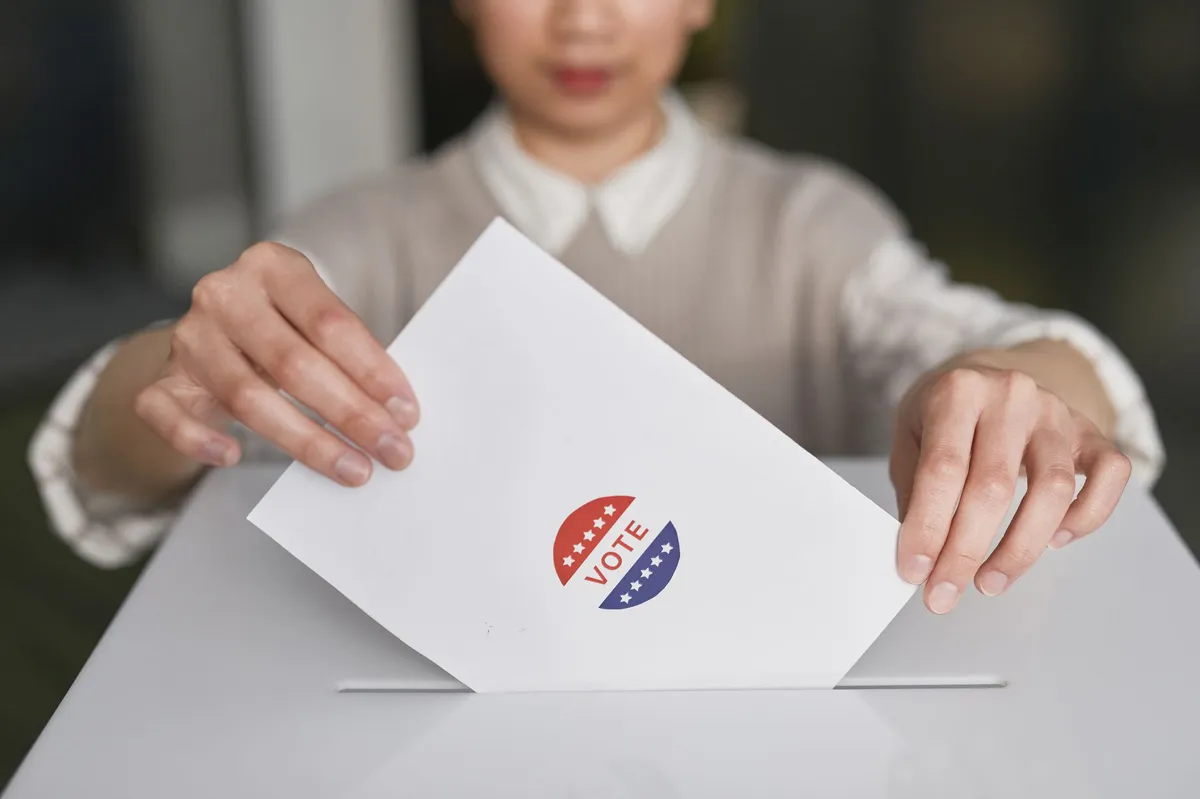
Key Takeaways
- The federal court ruling blocks Ohio's proof-of-citizenship requirement for voter registration.
- This decision is viewed as a victory for voter accessibility and civil rights organizations.
- Ohio Secretary of State plans to appeal, highlighting ongoing legal battles over voter registration laws.
- The ruling may influence similar laws in other states and set important legal precedents.
- Voter registration remains a critical issue in ensuring democratic participation across the nation.
Frequently Asked Questions
What does the ruling mean for Ohio voters?
The ruling means that Ohio voters will no longer be required to provide documented proof of citizenship when registering to vote at motor vehicle bureaus. This is expected to make it easier for eligible citizens to register and participate in upcoming elections, thereby potentially increasing voter turnout.
Why was the proof-of-citizenship requirement implemented in Ohio?
The proof-of-citizenship requirement was enacted by Ohio lawmakers with the stated intention of enhancing election integrity and preventing noncitizen voter registration. However, the federal court found insufficient evidence to support the necessity of such measures, ruling that they violate the National Voter Registration Act.
What are the potential implications of the ruling for other states?
The ruling could set a legal precedent for challenges against similar proof-of-citizenship laws in other states. As various states have enacted or considered such laws, the outcome of Ohio's case may influence ongoing legal debates and legislative actions regarding voter registration across the nation.
How can voters ensure they are registered in Ohio?
Ohio residents can register to vote online, by mail, or in person at designated locations, including motor vehicle offices. It is important for voters to check their registration status ahead of elections, especially with changes in laws and procedures. Voters can verify their registration status through the Ohio Secretary of State's website or local election offices.
This article is for informational purposes only and does not constitute legal advice.
Comments
Colombian Man Admits to Major Money Laundering Scheme Tied to Drug Trafficking
Andrelio Castaño Rojas has pleaded guilty to a significant money laundering operation involving drug trafficking money and consumer electronics. This case highlights the intricate connections between financial transactions and organized crime.

Related articles






Popular in Business Law
- Supreme Court Justices' Financial Disclosures: A Closer Look
- Vishal Garg's Leadership Fallout: The Rise and Fall of Better.com
- Former Intelligence Official Faces Penalty for Post-Government Misconduct
- Blank Rome Faces Lawsuit After Major Data Breach Exposes Personal Information
- Congress Faces Reckoning Over Member-Staff Relationships