The Consequences of Impersonating a Supreme Court Justice
A recent incident involving an individual impersonating Chief Justice John Roberts raises serious legal questions. This article explores the implications of such actions in the context of U.S. law.
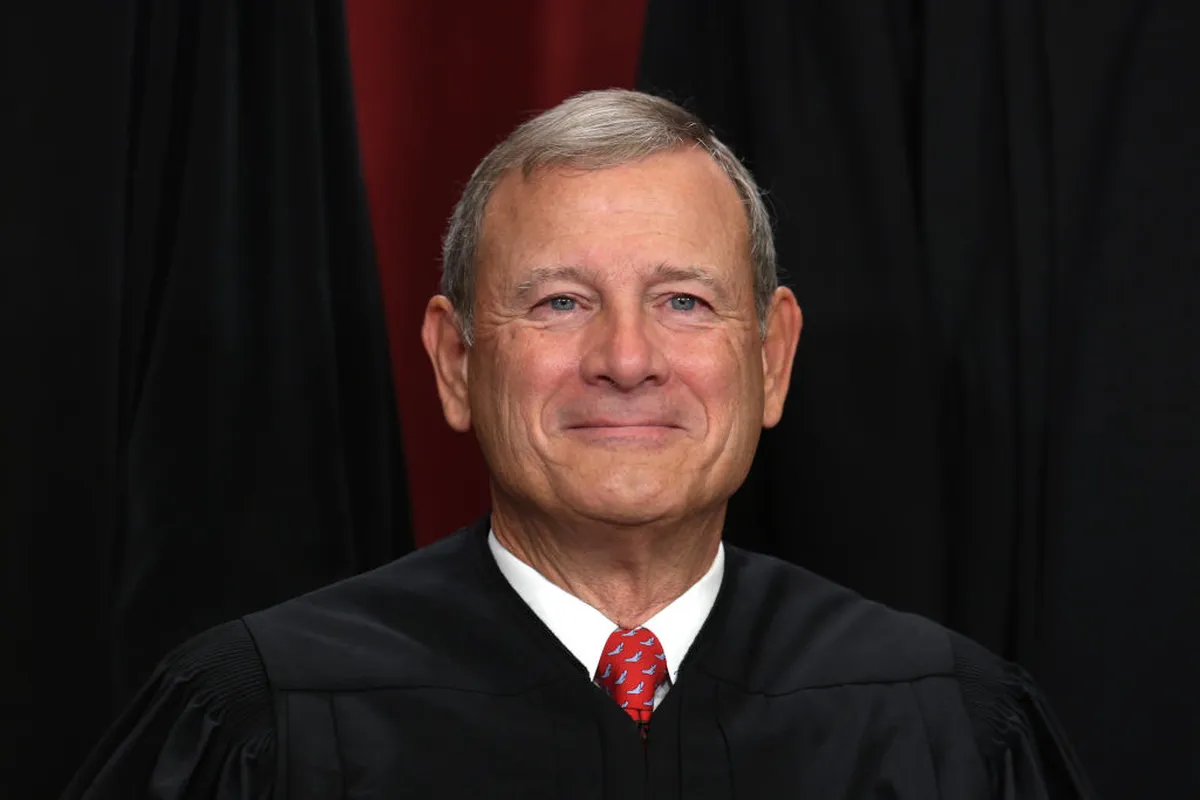
In a stunning turn of events, a man was arrested for impersonating Chief Justice John Roberts of the United States Supreme Court. This incident has sparked a conversation about the legal ramifications of impersonating high-ranking officials and the broader implications for public trust in the judicial system. While the act itself may seem like a prank, it carries significant legal weight that could lead to serious consequences for the perpetrator.
Impersonating a public official, especially one as prominent as a Supreme Court Justice, is a crime that undermines the integrity of the legal system. In this case, the individual not only misrepresented himself but also potentially misled others, raising questions about the motivations behind such actions and their effects on public perception of the judiciary.
The Legal Framework Surrounding Impersonation
Under U.S. law, impersonating a federal official is not taken lightly. This act can lead to charges under various statutes, including:
- 18 U.S.C. § 912: This statute makes it illegal to falsely assume or pretend to be an officer or employee of the United States.
- 18 U.S.C. § 1017: This law prohibits the use of false documents in the furtherance of impersonation.
- State Laws: Many states have their own laws addressing impersonation, which can further complicate the legal landscape.
These laws are designed to protect the integrity of public institutions and ensure that individuals cannot mislead others for personal gain or to create confusion. The penalties for such crimes can range from fines to imprisonment, depending on the severity of the offense and the jurisdiction.

The Impact on Public Trust
The impersonation of a Supreme Court Justice can have far-reaching implications beyond legal consequences. It can erode public trust in the judicial system, which is founded on principles of integrity and transparency. When individuals engage in such deceptive practices, it raises concerns about who can be trusted to uphold the law and serve justice fairly.
Public officials, especially those in high-ranking positions, are expected to adhere to strict ethical standards. An act of impersonation not only discredits the individual but also casts a shadow over the credibility of the office they represent. This incident serves as a reminder of the importance of accountability among public officials and the need for a vigilant public to challenge misconduct.
Case Studies of Impersonation in History
Impersonation of public officials is not a new phenomenon. Throughout history, there have been numerous instances where individuals have assumed false identities for various motives, ranging from political gain to personal vendettas. Some notable examples include:
- Richard Nixon's Impersonators: Following his resignation, various impersonators capitalized on his notoriety, often to satirical ends.
- Political Scandals: Various political figures have been impersonated in attempts to sway public opinion or discredit opponents.
- Identity Theft Cases: Many impersonation cases have involved individuals stealing the identities of public officials to commit fraud.
Each of these examples underscores the seriousness of impersonation and its potential to disrupt democratic processes and institutions.

Legal Consequences and Defenses
If found guilty of impersonating a Supreme Court Justice, the offender could face a variety of legal consequences. The severity of the punishment typically depends on:
- Intent: If the impersonation was done with malicious intent, penalties may be more severe.
- Impact: If the act resulted in tangible harm or confusion among the public, sanctions could be heightened.
- Prior Offenses: Repeat offenders may face harsher penalties than first-time offenders.
Defenses against such charges can be challenging. Common defenses might include claims of lack of intent or that the impersonation was clearly a joke. However, in many cases, the context and the effect of the actions on the public perception will play a significant role in determining the outcome.

What This Means for Citizens
This incident serves as a cautionary tale for citizens regarding the importance of understanding the legal boundaries of impersonation. While many may view such actions as harmless fun, the reality is that they can lead to serious legal repercussions and contribute to a broader culture of mistrust. Citizens should be aware of the laws surrounding impersonation and the implications of violating these laws.
Furthermore, this case highlights the need for ongoing public education about the role of the judiciary and the importance of respecting the integrity of public offices. Ensuring that citizens are informed about their rights and the legal system is crucial for maintaining a healthy democracy.
Key Takeaways
- Impersonating a public official, especially a Supreme Court Justice, is a serious crime.
- The legal repercussions can include fines and imprisonment.
- This incident underscores the importance of public trust in the judicial system.
- Education on legal boundaries is vital for citizens.
Frequently Asked Questions
What are the potential penalties for impersonating a public official?
The penalties for impersonating a public official can vary widely depending on the jurisdiction and the specific circumstances of the case. Generally, offenders can face fines, jail time, or both. For instance, under federal law, such impersonation can lead to imprisonment for up to three years, depending on the severity of the act and its impact on the public.
How does impersonation affect public perception of the judiciary?
Impersonation of judicial figures can significantly undermine public confidence in the legal system. When individuals misrepresent themselves as judges or justices, it raises questions about the legitimacy and integrity of the judicial process. This can lead to a general feeling of distrust towards public institutions, making it essential to uphold the reputation of judicial officers.
Can impersonation ever be considered a joke?
While some may view impersonation as harmless fun, the legal system does not typically treat it lightly. The context in which the impersonation occurs and the intent behind it are crucial in legal assessments. If the impersonation is deemed to have the potential to cause confusion or harm, it may not be viewed as a mere joke and can lead to serious legal consequences.
What steps can citizens take to report impersonation?
If citizens encounter impersonation of public officials, they should report it to local law enforcement or relevant authorities immediately. Documenting the incident with any available evidence, such as recordings or written communication, can also be helpful in investigations. Public awareness and vigilance are key to maintaining the integrity of our institutions.
This content is general information, not legal advice.
Comments
Colombian Man Admits to Major Money Laundering Scheme Tied to Drug Trafficking
Andrelio Castaño Rojas has pleaded guilty to a significant money laundering operation involving drug trafficking money and consumer electronics. This case highlights the intricate connections between financial transactions and organized crime.
Related articles






Popular in Business Law
- Supreme Court Justices' Financial Disclosures: A Closer Look
- Vishal Garg's Leadership Fallout: The Rise and Fall of Better.com
- Former Intelligence Official Faces Penalty for Post-Government Misconduct
- Blank Rome Faces Lawsuit After Major Data Breach Exposes Personal Information
- Congress Faces Reckoning Over Member-Staff Relationships