Farm Bill Draft Reflects Changing Attitudes on Animal Welfare Legislation
Recent developments regarding the draft Farm Bill indicate a significant shift in lawmakers' attitudes toward animal welfare legislation. The omission of the controversial Save Our Bacon Act is a key highlight, reflecting the growing opposition to federal overreach in state animal welfare laws.
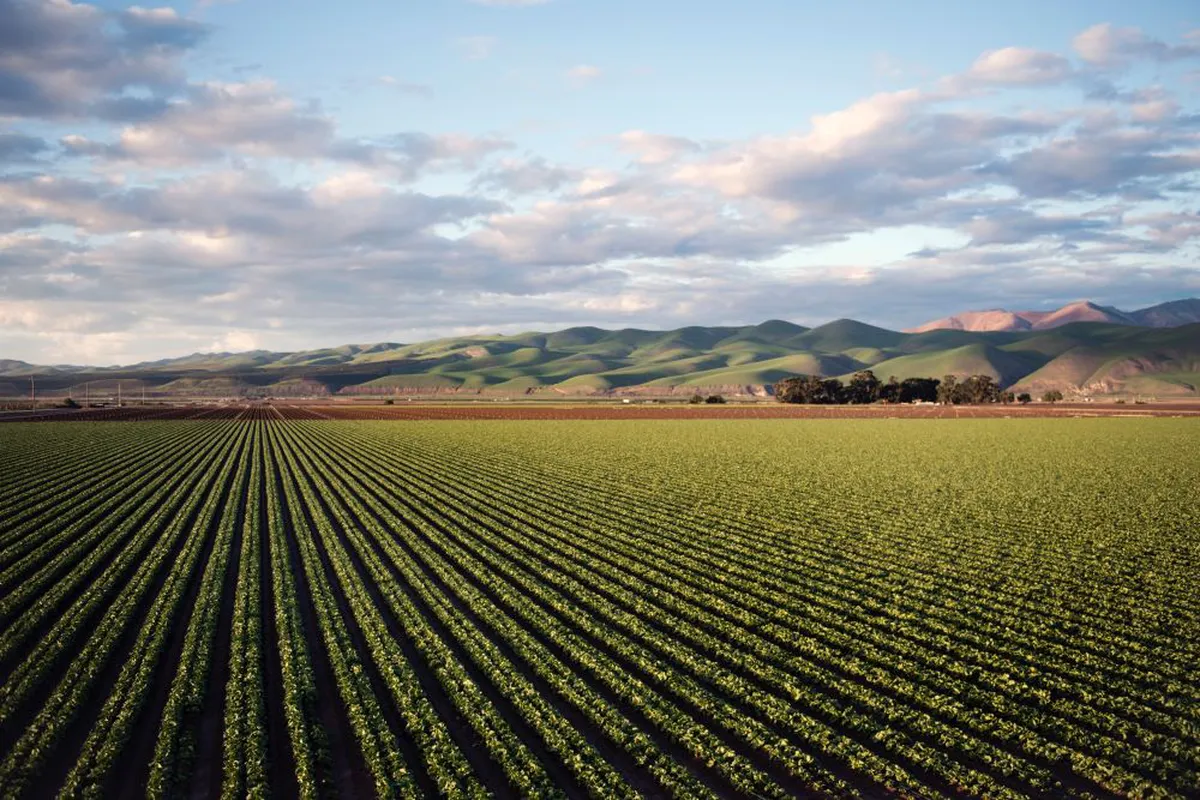
As the draft Farm Bill emerges from the Senate Agriculture Committee, it is clear that American lawmakers are grappling with the complex intersection of agriculture, animal welfare, and international trade. The recent statement by Wayne Pacelle, president of Animal Wellness Action, highlights a notable absence in the draft: the controversial Save Our Bacon Act. This proposed legislation aimed to invalidate state-level animal welfare laws, such as California's Proposition 12 and Massachusetts’ Question 3, laws that have garnered overwhelming support from voters across the political spectrum. The removal of this act from the draft bill signals a shift in legislative priorities, emphasizing the need to balance agricultural interests with animal welfare concerns.
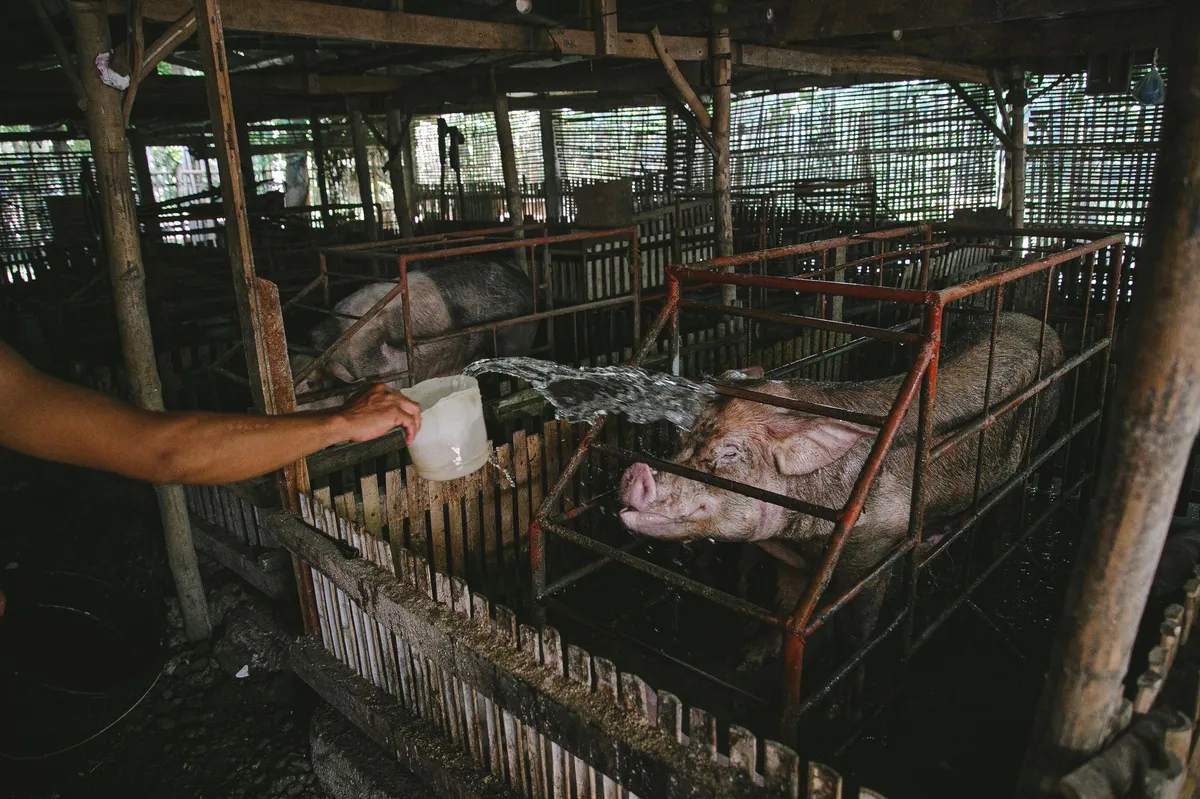
The significance of this legislative omission cannot be overstated. Over 10 million voters supported California's Proposition 12, which mandates more humane treatment of farm animals, marking it as one of the most popular pieces of legislation in U.S. history. The backlash against the Save Our Bacon Act reflects a broader movement within Congress to respect the democratic choices made by voters regarding animal welfare. Furthermore, with growing bipartisan support against the act, lawmakers appear increasingly reluctant to allow large corporations—such as China's Smithfield Foods—to dominate the American pork industry at the expense of family-run farms.
The Legislative Landscape: Understanding the Farm Bill
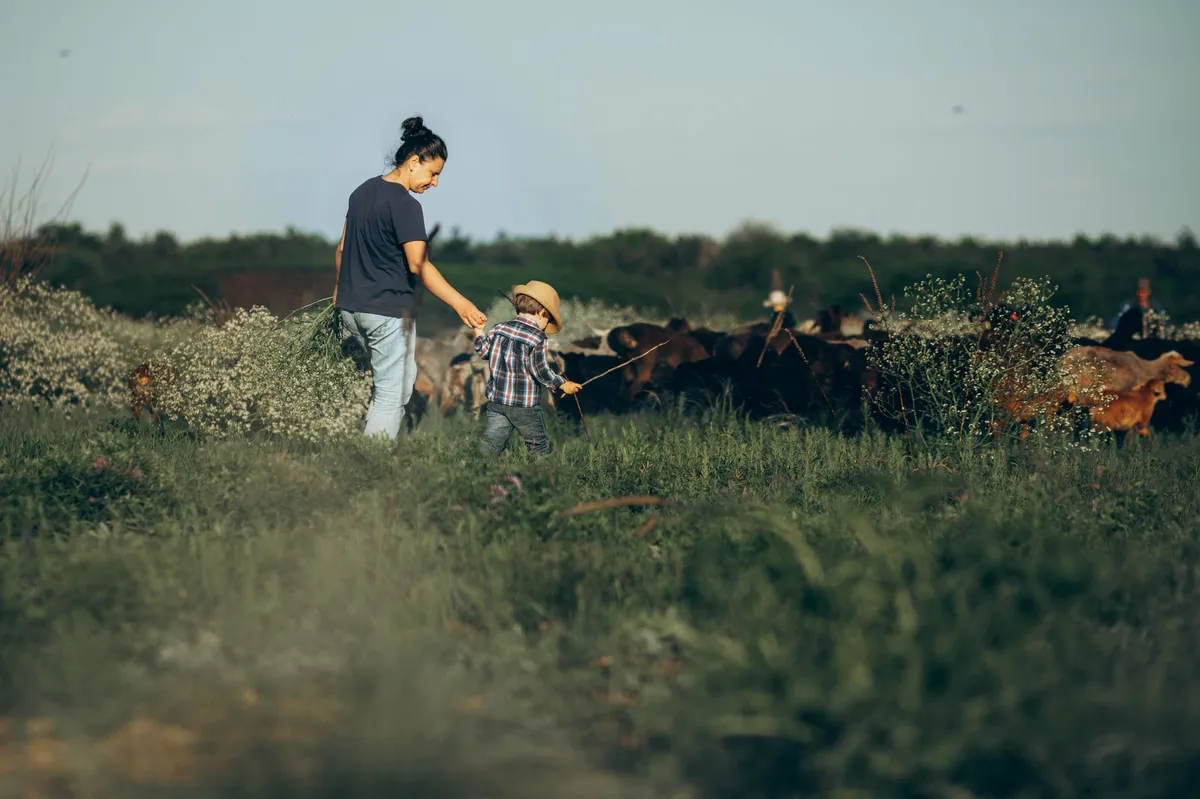
The Farm Bill is a comprehensive piece of legislation that outlines the United States' agricultural and food policies. Typically renewed every five years, it covers a wide array of topics, including crop insurance, food assistance programs, and conservation efforts. More recently, it has also become a battleground for animal welfare reforms. With the growing awareness of animal rights and ethical farming practices, lawmakers are increasingly faced with pressure to incorporate animal welfare measures into this critical legislation.
The draft Farm Bill currently shows promise for animal welfare advocates, though it still lacks several key provisions. The absence of the Save Our Bacon Act is a significant victory; however, other animal protection measures, such as the FIGHT Act and the SAFE Act, remain unaddressed. The FIGHT Act, which aims to combat organized animal fighting, has received nearly 1,200 endorsements from various organizations and enjoys bipartisan backing. Similarly, the SAFE Act seeks to prohibit the slaughter of American horses for human consumption, an issue that has stirred ethical debates across the nation.
Public Sentiment and Political Pressure
The political landscape surrounding animal welfare has seen a noticeable shift in recent years. Public sentiment against animal cruelty is at an all-time high, largely due to increased awareness and advocacy. This change is reflected in the legislative priorities of many lawmakers, who recognize that their constituents are increasingly vocal about the treatment of farm animals.
In practical terms, this means that the agricultural industry must adapt to consumer demands for humane practices. Voters are not only concerned about animal welfare but also about the environmental impacts of industrial farming. As research continues to illuminate the connections between animal treatment, sustainability, and public health, advocates are pushing for laws that align agricultural practices with ethical considerations.
- Proposition 12: California law mandating humane standards for farm animals.
- Bipartisan Support: Growing opposition to the Save Our Bacon Act from both Democrats and Republicans.
- FIGHT Act: Legislation to combat organized animal fighting with substantial backing.

Controversial Provisions in the Draft Bill
While the omission of the Save Our Bacon Act is a step forward for animal welfare advocates, the draft bill does contain provisions that raise eyebrows. Some lawmakers are concerned about language that appears to support the declining mink industry in the U.S. and continue taxpayer funding for foreign fashion shows—activities that many see as misaligned with the current focus on public health and fiscal responsibility.
In Pacelle's statement, he notes the absurdity of continuing to subsidize a luxurious product aimed at foreign consumers, particularly at a time when lawmakers should be prioritizing sustainable agricultural practices. Critics argue that such provisions reflect the influence of special interests that prioritize profit over public welfare. The inclusion of these provisions in the Farm Bill could undermine efforts to promote animal welfare and sustainable farming across the nation.
Moving Forward: Advocating for Stronger Animal Welfare Measures
As the draft Farm Bill progresses toward committee markup and eventual voting, advocacy groups like Animal Wellness Action are urging senators to incorporate robust animal welfare measures. The FIGHT Act and SAFE Act are two crucial bills that deserve attention, and their advocates are mobilizing to ensure they are included in the final version of the legislation.
As stakeholders in this process, consumers and voters should remain informed and engaged. Writing to senators, participating in advocacy campaigns, and raising awareness about animal welfare issues can all contribute to strengthening protections for animals in agriculture. Advocacy efforts can make a tangible difference in shaping the policies that govern our food systems and the treatment of animals within them.

Key Takeaways
- The draft Farm Bill omits the controversial Save Our Bacon Act, reflecting changing attitudes towards state animal welfare laws.
- Over 10 million Americans supported Proposition 12, showing strong public demand for humane treatment of farm animals.
- Legislative support for the FIGHT Act and SAFE Act highlights the growing bipartisan commitment to animal welfare reforms.
Frequently Asked Questions
What is the significance of the Save Our Bacon Act being omitted from the Farm Bill?
The omission of the Save Our Bacon Act from the draft Farm Bill is significant because it indicates a shift in legislative priorities towards respecting state-level animal welfare laws. This act aimed to nullify voter-approved measures in California and Massachusetts, which have received widespread support. Its exclusion suggests that lawmakers are increasingly recognizing the importance of public opinion on animal welfare issues.
What are the FIGHT Act and SAFE Act?
The FIGHT Act (S. 1454) seeks to combat organized animal fighting and has garnered substantial bipartisan support, with nearly 1,200 endorsing organizations. The SAFE Act (S. 775) aims to prohibit the slaughter of American horses for human consumption. Both pieces of legislation reflect a growing commitment among lawmakers to address animal welfare concerns and have the potential to be included in the final Farm Bill.
How can the public influence animal welfare legislation?
The public can play a crucial role in influencing animal welfare legislation by staying informed and advocating for humane policies. This can include writing to senators, participating in advocacy campaigns, and raising awareness about animal welfare issues through social media and community engagement. By making their voices heard, constituents can help shape the policies that govern animal treatment and agricultural practices in the U.S.
What are some controversial provisions in the draft Farm Bill?
Some controversial provisions in the draft Farm Bill include support for the shrinking mink industry and continued taxpayer funding for foreign fashion shows. Critics argue that these provisions reflect the influence of special interests and misalign with the current focus on public health and fiscal responsibility. These concerns highlight the ongoing debate about the direction of agricultural policy and its implications for animal welfare.
This content is general information and not legal advice.
Comments
Two Judges Suspended After Indictments: A Closer Look at Judicial Accountability
Two judges face suspension following criminal indictments, raising concerns about judicial integrity. This article explores the implications for the legal system and public trust.
Related articles





Popular in Business Law
- Supreme Court Justices' Financial Disclosures: A Closer Look
- Vishal Garg's Leadership Fallout: The Rise and Fall of Better.com
- Former Intelligence Official Faces Penalty for Post-Government Misconduct
- Blank Rome Faces Lawsuit After Major Data Breach Exposes Personal Information
- Congress Faces Reckoning Over Member-Staff Relationships