Two Judges Suspended After Indictments: A Closer Look at Judicial Accountability
Two judges face suspension following criminal indictments, raising concerns about judicial integrity. This article explores the implications for the legal system and public trust.
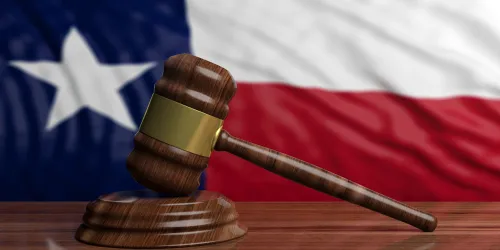
In recent developments that have sent shockwaves through the legal community, two judges have been suspended following their indictments on serious criminal charges. This unprecedented situation raises significant questions about judicial accountability, the integrity of the legal system, and the impact on public trust in the judiciary. As these cases unfold, it's vital to understand the broader implications for the judicial system and the mechanisms in place to address misconduct within this critical branch of government.
The suspension of judges — who are expected to uphold the law and serve as impartial arbiters of justice — is not only a matter of administrative protocol but also a reflection of how the legal framework seeks to maintain the integrity of the judiciary. When judges are indicted, it disrupts not only their careers but also the public's perception of justice.

The Nature of the Indictments
In both cases, the judges were indicted on various criminal charges. The specific nature of these charges can vary significantly, ranging from corruption and bribery to more serious offenses such as fraud or assault. Understanding the details of these allegations is crucial as they play a pivotal role in the subsequent legal proceedings and disciplinary actions.
Types of Criminal Charges Against Judges
- Corruption: Involves the abuse of power for personal gain.
- Bribery: Accepting or soliciting something of value in exchange for judicial favors.
- Fraud: Deceptive practices that result in financial or personal gain.
- Assault: Physical harm or threat thereof against another individual.
The judicial system has established various protocols for addressing such allegations. Typically, when a judge is indicted, they may face immediate suspension pending the outcome of their case. This is crucial not only for the integrity of the legal process but also to protect the rights of defendants who may be affected by the judge's rulings.

Judicial Suspension: Process and Implications
The process leading to the suspension of a judge begins with the indictment itself. Once formal charges are filed, the judicial oversight bodies, often state judicial commissions, take action to review the situation. The suspension is generally not a punitive measure but rather a protective one, ensuring that the judicial process remains untainted by potential conflicts of interest.
Judicial suspensions can have far-reaching implications:
- Impact on Cases: Ongoing cases presided over by the suspended judge may be reassigned, causing delays and uncertainty for litigants.
- Public Trust: The perception of the judiciary can be damaged, affecting public confidence in the legal system.
- Career Consequences: The suspended judges face significant professional repercussions, including the potential loss of their positions.
While suspension is often a necessary step, it does not equate to guilt. Judges, like any accused individuals, are entitled to a fair trial and due process before any final determinations are made regarding their conduct.
Why Judicial Accountability Matters
The principle of judicial accountability is fundamental to a functioning democracy. Judges wield significant power, and their decisions can profoundly impact individuals' lives. Therefore, ensuring that judges remain accountable for their actions is essential for maintaining the rule of law.
When judges are held accountable, it reinforces the idea that no one is above the law. This principle is crucial not only for the judges themselves but also for the general public, who must trust that the legal system operates fairly and justly. Cases like these underscore the necessity for robust mechanisms to address misconduct and ensure that the judiciary remains a pillar of justice.
Key Takeaways
- Two judges have been suspended due to criminal indictments.
- Judicial suspensions are protective measures, allowing for an unbiased legal process.
- Public trust in the judiciary is paramount and can be affected by such incidents.
- Judges are entitled to due process and a fair trial before any conclusions are drawn regarding their conduct.
Frequently Asked Questions
What happens to cases presided over by suspended judges?
When a judge is suspended, any ongoing cases may be reassigned to another judge. This reassignment is necessary to ensure that proceedings continue without bias or influence from the suspended judge. It is also intended to protect the rights of the parties involved, allowing for a fair hearing in their cases.
How does the judicial suspension process work?
The suspension process typically begins with an indictment, after which a state judicial commission evaluates the situation. The commission may temporarily suspend the judge while the case is investigated and adjudicated. This process is designed to preserve the integrity of the judicial system and protect public confidence in the rule of law.
What are the long-term consequences for judges facing criminal charges?
The long-term consequences can vary significantly depending on the outcome of the legal proceedings. If found guilty, judges may face criminal penalties, including fines and imprisonment, as well as professional repercussions such as disbarment or removal from office. Even if acquitted, the judge's reputation may suffer lasting damage, affecting their career prospects in the future.
How can the public impact judicial accountability?
The public plays a critical role in judicial accountability by voicing concerns about judicial conduct and advocating for transparency in the legal system. Engaging in civic education about the judiciary, voting for accountable candidates, and supporting judicial reform initiatives are all ways in which citizens can help ensure that judges remain answerable for their actions.
This content is general information and not legal advice.
Comments
Farm Bill Draft Reflects Changing Attitudes on Animal Welfare Legislation
Recent developments regarding the draft Farm Bill indicate a significant shift in lawmakers' attitudes toward animal welfare legislation. The omission of the controversial Save Our Bacon Act is a key highlight, reflecting the growing opposition to federal overreach in state animal welfare laws.

Related articles






Popular in Business Law
- Supreme Court Justices' Financial Disclosures: A Closer Look
- Vishal Garg's Leadership Fallout: The Rise and Fall of Better.com
- Former Intelligence Official Faces Penalty for Post-Government Misconduct
- Blank Rome Faces Lawsuit After Major Data Breach Exposes Personal Information
- Congress Faces Reckoning Over Member-Staff Relationships